A significant development in Middle Eastern diplomacy unfolded as a 10-day ceasefire between Israel and Lebanon officially took effect at midnight local time (21:00 GMT). This agreement marks a critical step towards de-escalating tensions in the region, where conflicts have been frequent and intense.
The ceasefire, intended to bring a temporary halt to hostilities, is particularly important given the historically volatile relations between Israel and Lebanon. For years, the two nations have been embroiled in intermittent clashes, often involving cross-border attacks and military responses.
The 10-day period is seen by many as an opportunity for both sides to reassess their positions and pursue dialogue. Ceasefires are often fragile in this context, but they serve as critical pauses that can prevent further bloodshed and provide space for diplomatic efforts.
The agreement was likely facilitated by international intermediaries keen on stabilizing the area, although specific details about the negotiations and the parties involved have not been fully disclosed.
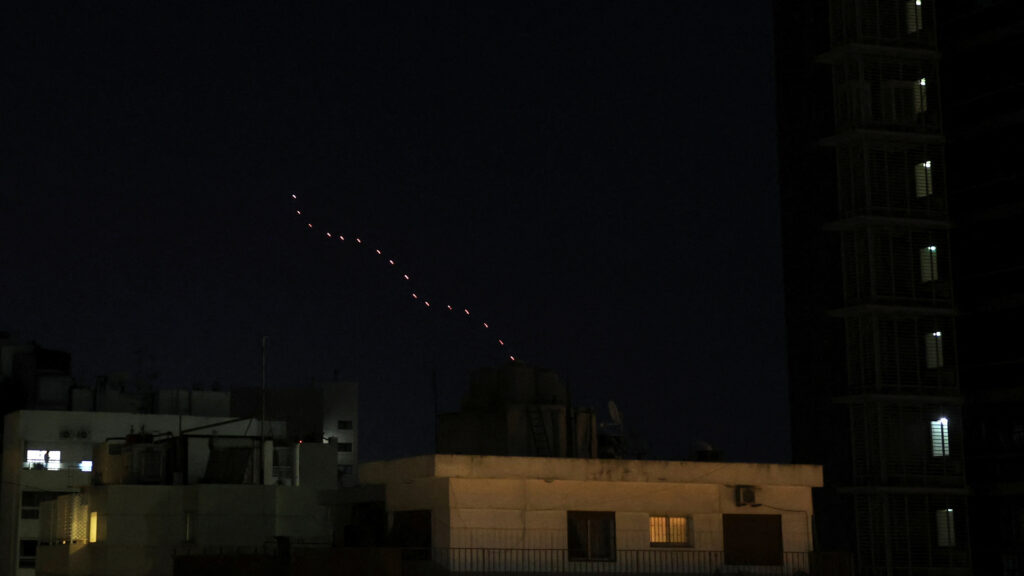
During the ceasefire, it is expected that military operations such as airstrikes, shelling, and other forms of armed engagement will cease, allowing civilians on both sides a much-needed respite from the dangers of conflict.
This development also comes amid broader regional dynamics, including the involvement of various militant groups and the strategic interests of neighboring countries and global powers.
Observers and analysts emphasize the importance of compliance with the ceasefire terms to maintain peace and avoid a resurgence of violence that could have widespread repercussions.
The success or failure of this ceasefire could influence future peace initiatives and shape the geopolitical landscape of the Middle East.
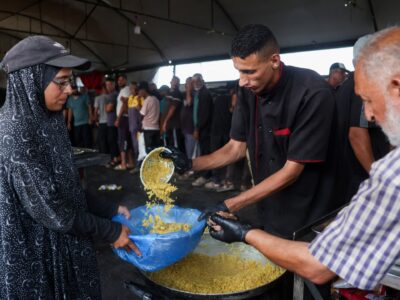
Humanitarian organizations have welcomed the ceasefire, hoping it will enable safer access to aid and assistance for those affected by the ongoing hostilities.
As the ceasefire is now in effect, the international community is watching closely to see if this truce will hold and if it can pave the way for longer-term peace negotiations between Israel and Lebanon.