The ongoing conflict between Israel and Lebanon has dramatically altered the daily lives of people living in Beirut and beyond. What was once ordinary routine has been replaced by uncertainty, fear, and a constant reevaluation of safety and normalcy.
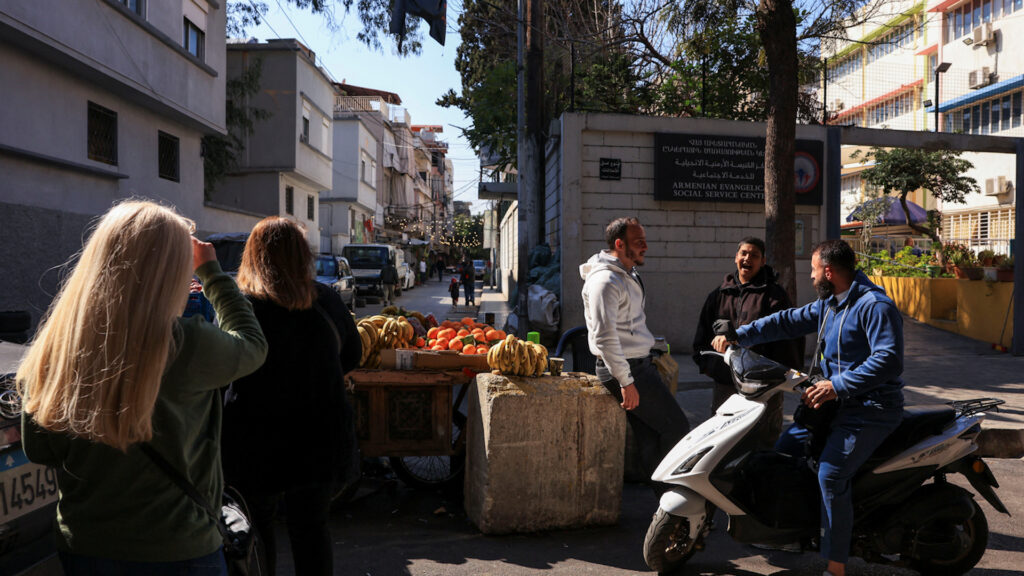
In the capital city of Beirut, residents describe scenes of unease and disruption as the bombings and military actions have made it difficult to carry out everyday activities. Shops and markets that typically bustle with life have seen dwindling customers, as many choose to stay indoors to avoid potential harm. The sound of explosions and sirens has become an unsettling background noise that permeates daily life.
Apart from the physical dangers, many face psychological strains. Parents worry about their children’s safety, while businesses struggle to survive amid interrupted supply chains and reduced patronage. Transportation systems have been hindered by checkpoints and security operations, making commuting a challenge for workers and students.
Hospitals and medical facilities, already strained from previous crises, are now overwhelmed with injuries resulting from the conflict. Medical supplies are running low, and healthcare workers are working tirelessly under intense pressure.
Civilians recount stories of power outages and water shortages that have become more frequent, compounding the difficulties of living in a war zone. Many homes have been damaged or destroyed, forcing families to seek shelter elsewhere or with relatives.
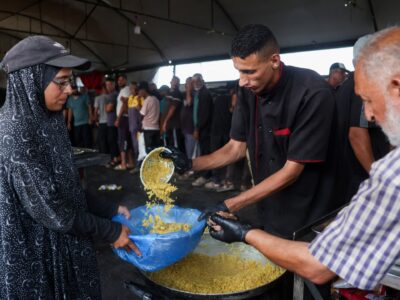
Despite the hardships, the community spirit remains resilient. Volunteers and local organizations have mobilized to provide assistance and support to those affected. International aid agencies have also stepped in, but the scale of the crisis continues to challenge the capacity for effective relief.
The war has also affected education, with schools closing or operating irregularly due to safety concerns. Students face interruptions in their studies, which could have long-term impacts on their futures.
The economic consequences are profound, with many businesses shuttering or operating at reduced capacity. Unemployment is rising, and the cost of basic goods has increased, further straining household budgets.
Overall, the conflict between Israel and Lebanon has upended life in Beirut in ways both seen and unseen. The physical destruction, psychological toll, and economic hardships are reshaping the social fabric of the city and the country. People hold on to hope for peace, even as they navigate the challenges of a life irrevocably changed by war.