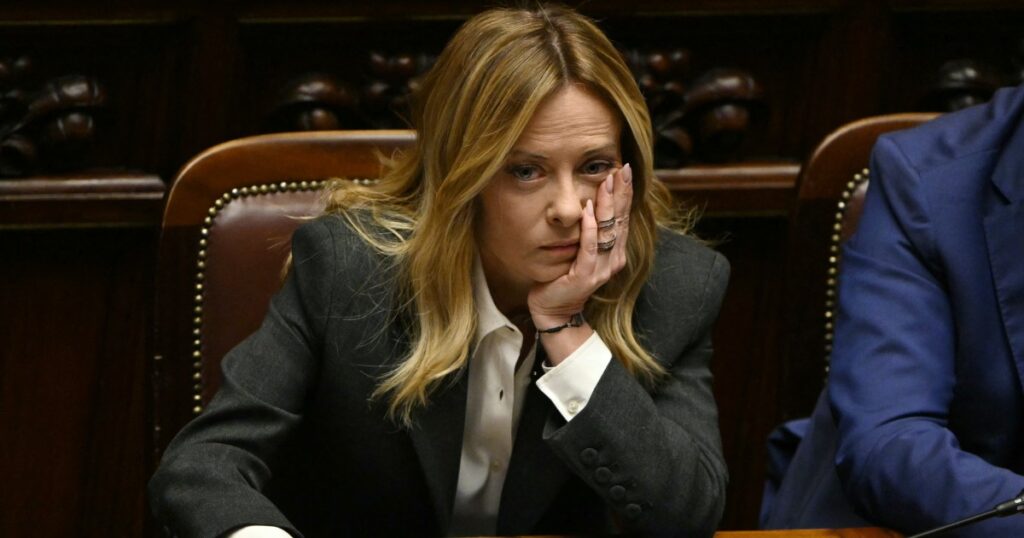
Italy’s Prime Minister Giorgia Meloni has made the unprecedented decision to suspend a longstanding defence pact with Israel, marking a significant shift in the traditionally strong relationship between the two nations. This move, though little in immediate operational impact, symbolizes a notable diplomatic turning point given Italy’s history as one of Israel’s staunchest allies.
The defence agreement in question was part of broader collaborations encompassing intelligence sharing, military training, and joint development projects aimed at enhancing the security capabilities of both countries. Italy had been a key strategic partner for Israel within Europe, supporting Israel on multiple fronts diplomatically and militarily.
However, recent developments in geopolitical and domestic political considerations have influenced Meloni’s government to reconsider its stance. Italy is grappling with increasing pressure from various factions within its political landscape advocating for a more balanced or sympathetic approach toward the Palestinians. Public opinion and advocacy groups have called for Italy to reassess its foreign policies in the Middle East, citing concerns about human rights and the ongoing Israeli-Palestinian conflict.
While Italian officials have not fully disclosed all the reasons behind the suspension, the move appears to be motivated by a desire to realign Italy’s foreign policy priorities under Meloni’s governance, to possibly adopt a more neutral or critical approach regarding Israel’s military actions and policies.
This decision is unprecedented because it breaks with decades of Italy’s consistent support for Israel, despite a tumultuous Middle Eastern political landscape. Italy had previously maintained strong diplomatic ties with Israel, advocating for dialogue and cooperation rather than conflict.
The international community has taken notice of Italy’s gesture, interpreting it as a signal of potential shifts in European alliances and foreign policy orientations. Other European countries might watch closely to see if this suspension influences broader regional stances on the Israeli-Palestinian conflict.
Israel has expressed disappointment over Italy’s suspension of the pact, warning that such actions could undermine bilateral trust and cooperation. The Israeli government has reiterated its commitment to maintaining strong defense ties but acknowledges that shifts in international relationships are part of evolving geopolitical realities.
In conclusion, Italy’s suspension of the defence pact under Giorgia Meloni marks a significant diplomatic development. Though it currently holds limited immediate impact on defence operations, it reflects changing political currents within Italy and highlights the complexities faced by nations balancing internal pressures with international alliances in a volatile region.