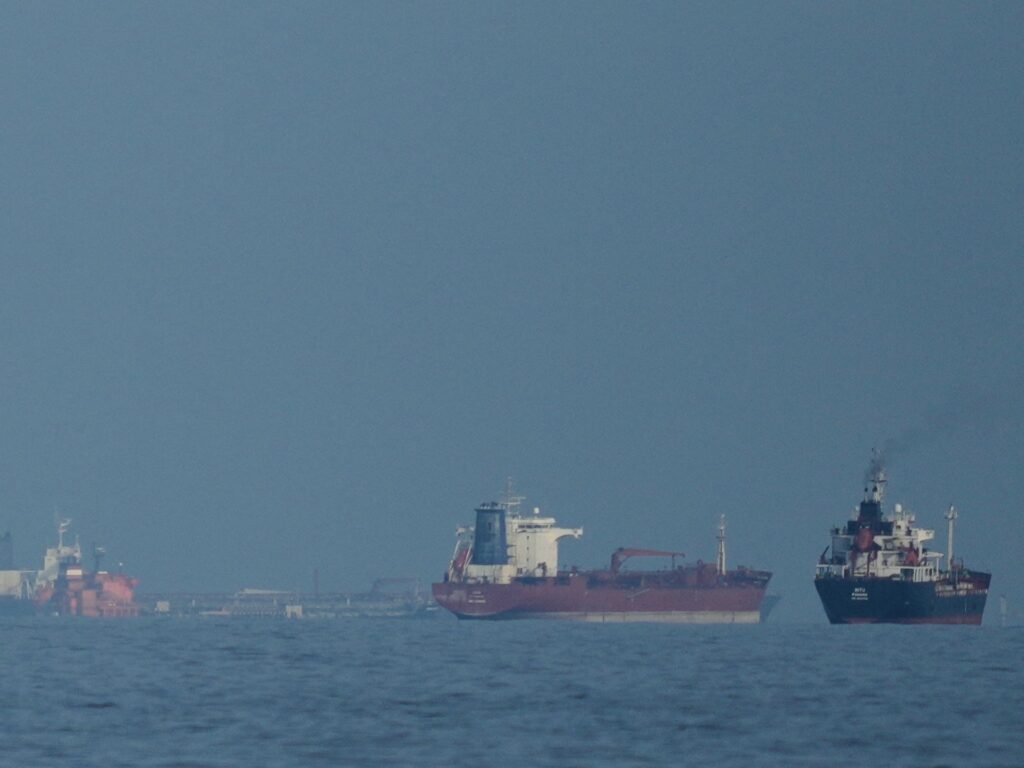
On the first day of the US-imposed blockade in the strategically critical Hormuz Strait, the Pentagon has firmly stated that no ships have succeeded in breaking through the blockade. This official assertion from the United States Central Command (CENTCOM) directly contradicts earlier reports and rumors suggesting that some vessels may have bypassed the restrictions.
The Hormuz Strait, a narrow passage between the Persian Gulf and the Gulf of Oman, is one of the world’s most vital maritime chokepoints, facilitating a significant percentage of the global oil trade. The US imposition of a naval blockade in this region marks a critical escalation in tensions between the United States and Iran.
CENTCOM’s confirmation underscores the effectiveness and strict enforcement of the blockade, aimed at curbing Iran’s ability to export oil and exert influence in the region. This firm stance is indicative of the US administration’s commitment to maintaining pressure on Iran amid ongoing geopolitical struggles.
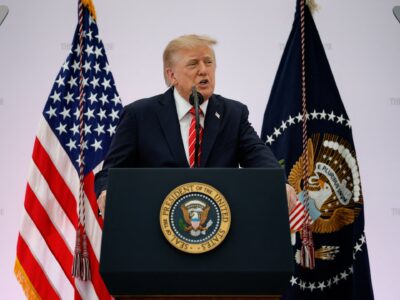
Adding complexity to the situation, former US President Donald Trump has indicated that talks between the US and Iran could potentially resume in the next two days. This announcement introduces a diplomatic dimension to the ongoing military and strategic maneuvering in the region.
The juxtaposition of strict military enforcement in the Hormuz Strait with the potential reopening of US-Iran diplomatic channels highlights the multifaceted nature of the current US approach toward Iran. It reflects an attempt to balance coercive measures with the possibility of dialogue and negotiation.
Analysts note that the blockade’s enforcement sets a precedent for US willingness to assert its naval power to shape regional outcomes, while Trump’s remarks suggest a pragmatic recognition of the value of diplomacy even amid heightened tensions.
Maritime experts express concern over the prolonged blockade’s impact on international shipping, global oil prices, and regional stability. The Hormuz Strait remains a focal point for global energy security, and any disruption has implications far beyond the immediate neighborhood.
The US declaration that no ships passed the blockade signals American control over the contested waters but also raises questions about the reactions from Iran and other regional actors, who may view this as a provocative act.
As the situation develops, attention will focus on diplomatic moves, particularly the potential US-Iran talks, which could either ease tensions or entrench the current standoff.
In summary, the first day of the US blockade in the Hormuz Strait has seen no breach of the blockade according to the Pentagon, highlighting firm US control of this critical maritime route. Meanwhile, the prospect of renewed US-Iran dialogue as mentioned by Trump adds an element of potential diplomatic progress amid the ongoing strategic tensions in the region. This evolving situation remains a key point of interest for international observers, energy markets, and policymakers worldwide.