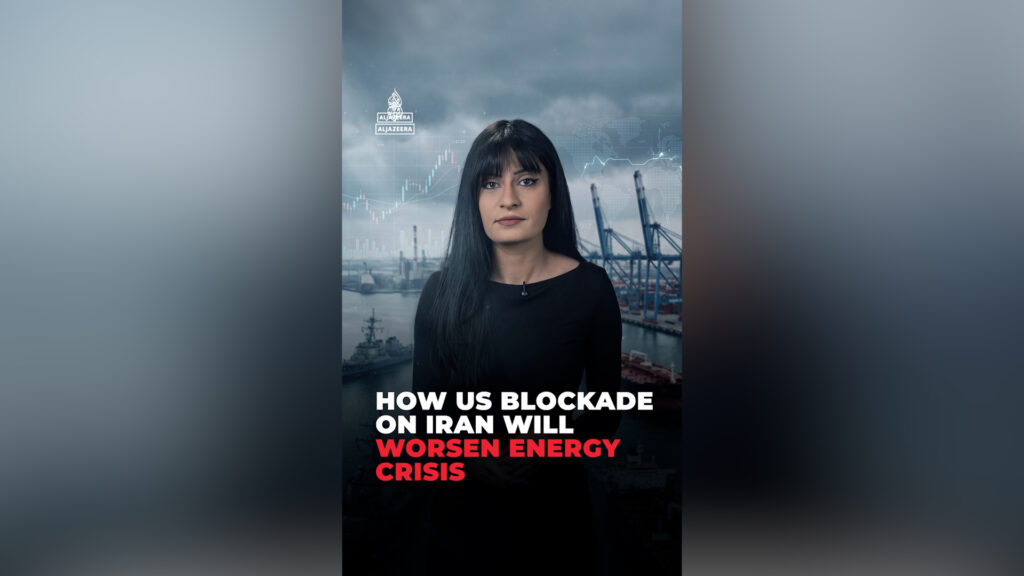
The recent imposition of a US military blockade on Iranian ports marks a significant escalation in geopolitical tensions, with profound implications for the global energy market. Iran, one of the world’s major oil producers, plays a critical role in the international energy supply chain. The blockade’s enforcement is already causing ripples through global energy markets, raising concerns over supply disruptions and price volatility.
Iran’s strategic position in the energy sector is underscored by its vast reserves and significant export capacity. The nation’s oil and gas exports are integral not only to its economy but also to the energy security of many countries, particularly in Asia and Europe. By blocking Iranian ports, the US aims to curtail Iran’s ability to export oil, thereby reducing its revenue and exerting pressure to influence Tehran’s policies.
However, the consequences of this blockade extend far beyond geopolitical leverage. The restriction of Iranian oil exports inevitably tightens global supply, particularly at a time when the world is grappling with recovering demand post-pandemic and ongoing geopolitical conflicts that have already constrained supplies from other key producers.
Energy markets have reacted swiftly to the blockade announcement, with oil prices surging amid fears of further supply shortages. This price increase impacts not only crude oil but also refined products, leading to higher fuel costs for consumers and industries worldwide. The ripple effect can exacerbate inflationary pressures in many economies still recovering from the economic impact of the COVID-19 pandemic.
Moreover, the blockade could destabilize the already fragile energy security landscape. Countries that depend heavily on Iranian oil may scramble to find alternative sources, putting additional pressure on other oil-exporting nations. This scramble could lead to diplomatic strains and increased competition, further complicating international relations.
The blockade also raises concerns about the potential for retaliatory actions by Iran, which could disrupt key maritime routes such as the Strait of Hormuz, a vital conduit for a significant portion of the world’s oil shipments. Any such disruptions could cause further spikes in energy prices and heightened volatility in the global markets.
In conclusion, while the US blockade on Iranian ports is intended as a strategic move to apply pressure on Iran, the broader consequences threaten to deepen the global energy crisis. With rising oil prices, tightened supply chains, and increased geopolitical tensions, the energy sector faces significant challenges ahead. Stakeholders worldwide must prepare for prolonged uncertainty and explore diversification and alternative energy options to mitigate the risks posed by such geopolitical maneuvers.