The ongoing conflicts in Iran and Sudan have taken a grim turn as the use of drone strikes significantly escalates, leading to increased casualties and widespread horror. Recent reports from the United Nations reveal that hundreds of people have been killed in drone attacks over the past three months, exacerbating the already dire situations in these regions. In Sudan, the war has now entered its fourth year, with devastating consequences for the civilian population, particularly in Darfur where a medical charity has reported two more deaths recently.
Drone warfare, a modern aspect of contemporary conflicts, has introduced new challenges to international peace and security. These strikes, often remote and precise, have nonetheless caused substantial loss of life and injury among non-combatants. The UN’s findings indicate a troubling trend of reliance on drones as tools of warfare in Iran’s escalating conflict, raising concerns about the broader implications for regional stability.
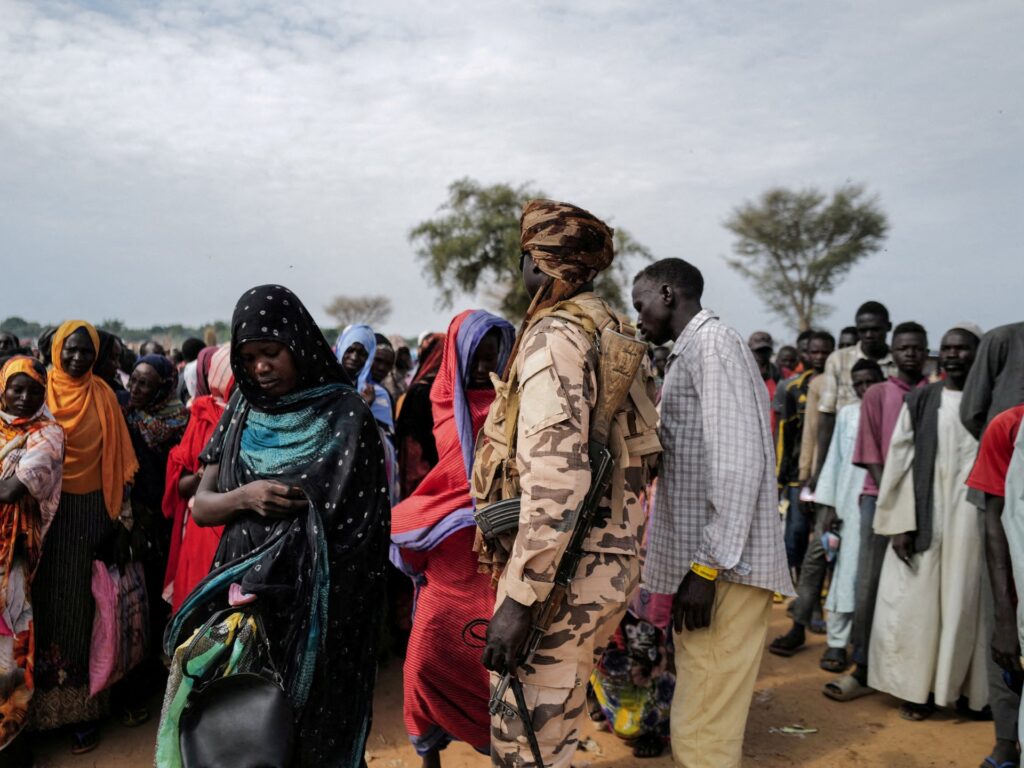
Meanwhile, Sudan’s protracted war continues to ravage the country. The Darfur region, historically a hotspot of violence and humanitarian need, faces renewed turmoil as the war extends beyond three years. The medical charity involved has confirmed additional casualties, highlighting the ongoing suffering of civilians caught in the crossfire and the urgent need for humanitarian assistance.
The international community has expressed alarm over the increasing use of drones and the prolonged nature of the Sudan conflict. Efforts to mediate peace have been hampered by the complexities of modern warfare and political divisions within and between the affected countries. Human rights organizations have called for greater accountability and measures to protect civilian lives amidst these high-tech battles.
This escalation underscores the evolving nature of modern warfare, where technology and traditional conflict intersect with devastating effect. As the Iran war escalates with drone attacks and Sudan’s bloody conflict lingers, the human cost becomes staggering. The continued loss of life demands urgent attention from global leaders and intensified efforts to find peaceful resolutions.
In summary, the past three months have seen a sharp increase in casualties due to drone strikes in Iran, while Sudan’s war persists into its fourth year, inflicting further devastation, particularly in Darfur. These crises highlight the urgent need for comprehensive humanitarian relief, robust conflict resolution strategies, and renewed international cooperation to halt the cycle of violence and build towards lasting peace.