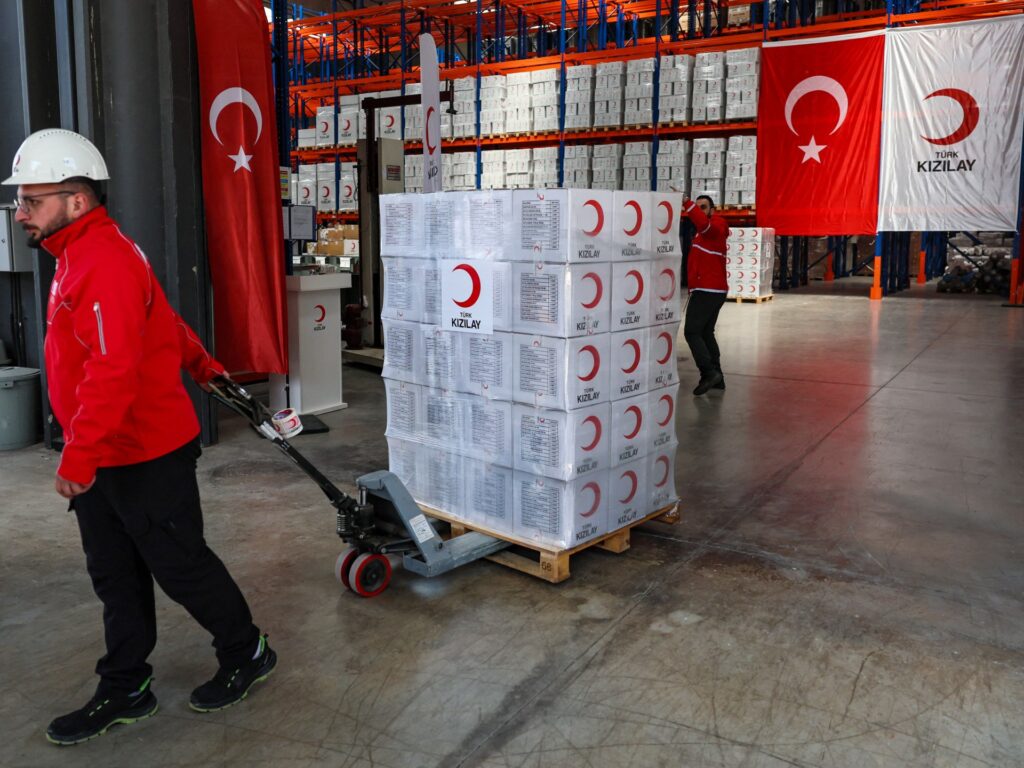
Humanitarian aid organizations are intensifying efforts to increase relief shipments into Iran, aiming to support the growing number of people displaced by ongoing conflicts in the region. The delivery of essential supplies has faced significant obstacles due to the closure of both air and sea routes, complicating logistics and delaying much-needed assistance.
The situation has become increasingly urgent as reports indicate a sharp rise in the number of displaced individuals within Iran’s borders. These vulnerable populations are in dire need of food, medical supplies, shelter materials, and other humanitarian aid to survive the harsh conditions brought on by displacement.
Aid groups have expressed concern over the delays caused by transportation restrictions, which have slowed down the distribution of crucial resources. Air route closures, often resulting from geopolitical tensions and safety concerns, have forced organizations to seek alternative means of delivery. Similarly, sea route closures have disrupted the usual flow of shipments, further straining humanitarian operations.
In response to these challenges, international aid agencies are exploring innovative solutions and negotiating with authorities to reopen or find new transit corridors. Some are considering the use of overland routes or partnering with neighboring countries to facilitate the transfer of goods into Iran. However, these alternatives often come with increased costs and logistical complexities.
The coordination between aid groups, governments, and local stakeholders is vital to overcoming these barriers. Efforts are being made to streamline customs processes and secure exemptions for humanitarian cargos, ensuring that supplies reach affected populations promptly.
Moreover, technology and data are being leveraged to optimize supply chain management. Real-time tracking of shipments and improved communication channels help aid organizations adjust their strategies quickly in response to dynamic conditions on the ground.
Despite the hurdles, the commitment of the humanitarian community remains steadfast. Continuous advocacy for safe and unimpeded access to affected areas underscores the importance of delivering aid without delay or obstruction.
As the conflict persists, sustaining the flow of humanitarian assistance is critical to preventing a worsening crisis. The global community’s support and solidarity are essential to empower aid groups in their mission to save lives and alleviate suffering in Iran.