Canada is currently facing significant public outcry and advocacy pushback regarding its planned healthcare policy changes affecting refugees. Specifically, the federal government’s proposal to introduce co-payments for refugee healthcare services has sparked widespread criticism from health workers, human rights advocates, and community organizations.
The new regulations, scheduled to be implemented on May 1, would require refugees to pay a portion of the cost for their healthcare under the Interim Federal Health Program, which until now has provided comprehensive coverage free of charge. Critics argue that introducing co-payments effectively amounts to a ‘de facto denial of care’ for many refugees, who often live in precarious financial situations and may be unable to afford these additional expenses.
Healthcare professionals have voiced concerns that these costs could deter refugees from seeking necessary medical attention, potentially exacerbating health problems and leading to more serious emergencies down the line. Moreover, rights organizations warn that the policy change could further marginalize already vulnerable populations, undermining Canada’s commitments to human rights and equitable access to essential services.
The Interim Federal Health Program has long served as a safety net, ensuring that refugees, refugee claimants, and certain other groups receive essential health coverage during their settlement and claim processes. The government proposed these cuts in an effort to reduce expenditures, but opposition groups maintain that the social and ethical costs far outweigh any financial savings.
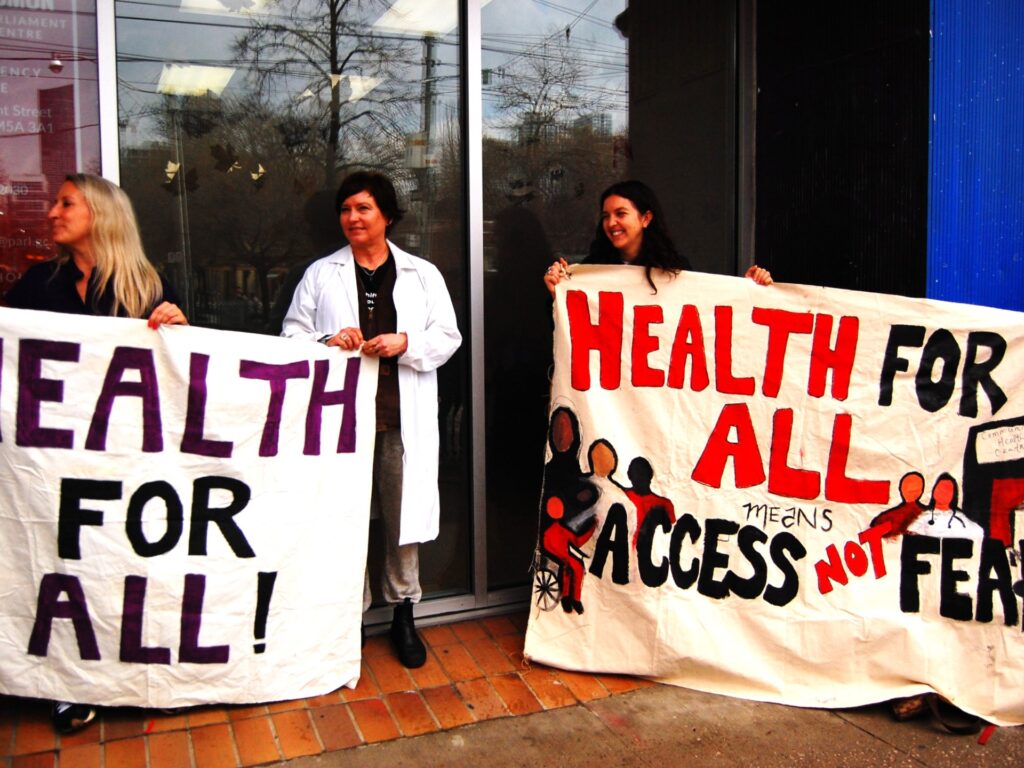
Several protests and petitions have emerged across the country, with calls for the government to halt implementation and engage in meaningful consultations with affected communities and healthcare providers. Advocates highlight the need to prioritize the well-being and dignity of refugees, emphasizing that access to healthcare is fundamental to integration and public health.
The debate reflects broader discussions about immigration policy and the social responsibilities of host countries. As Canada continues to welcome thousands of refugees seeking safety and new beginnings, the effectiveness and fairness of support systems remain critical issues.
As the May 1 deadline approaches, the pressure on federal authorities to reconsider or modify the proposed cuts is intensifying. Stakeholders urge a re-evaluation of policies to ensure that healthcare remains accessible to all, regardless of immigration status or financial means. The outcome of this debate will likely have significant implications for refugee health outcomes and Canada’s reputation as a compassionate and inclusive nation.