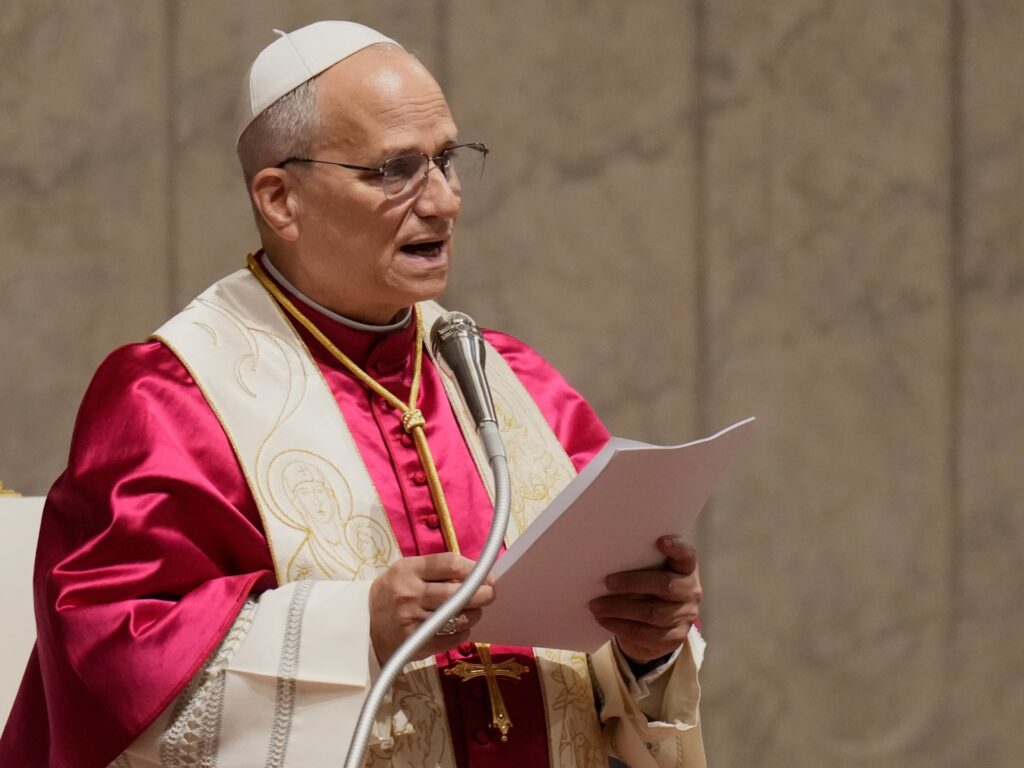
Pope Leo, who made history last year as the first US-born pope, has recently taken a bold stand on the international stage concerning the escalating conflict involving the United States, Israel, and Iran. He has become an outspoken critic of the US-Israeli military actions against Iran, advocating instead for peace and diplomatic resolution.
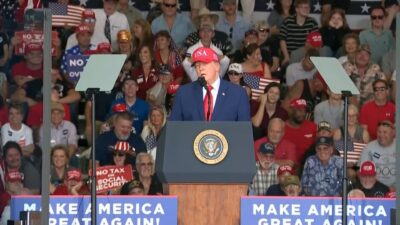
This stance has not come without repercussions. After Pope Leo issued a heartfelt appeal for peace in the region, emphasizing dialogue over warfare, he was confronted by sharp criticisms, notably from former US President Donald Trump. Trump publicly attacked the pope’s message, a move that stirred significant attention and debate worldwide.
Despite the backlash, Pope Leo has affirmed that he does not fear Trump or any opposition that arises due to his peace advocacy. His resolve reflects a deep commitment to his role as a spiritual leader and moral voice, transcending conventional political pressures.
The conflict in question involves complex geopolitical dynamics, where the US and Israel are engaged in a contentious military stance toward Iran, accused of nuclear ambitions and hostile activities. Pope Leo’s intervention underscores a growing concern among global religious and humanitarian leaders about the humanitarian cost and the risk of escalating violence.
Pope Leo’s unique position as the first US-born pope brings a distinct perspective to the Vatican’s approach, especially regarding US foreign policy. His calls for peace in the Iran conflict highlight a desire to bridge divides that have long fragmented the Middle East and threaten international stability.
In his public statements, the pope has consistently emphasized the need for compassion, understanding, and negotiation, rather than military confrontation. His advocacy resonates with numerous religious communities and peace organizations worldwide.
This ongoing dialogue reflects the broader challenge of balancing national security interests with global peace imperatives. Pope Leo’s leadership showcases the potential influence of religious authority in international politics, particularly when promoting conflict resolution and humanitarian values.
While the conflict remains unresolved and tensions persist, Pope Leo’s stance may inspire further conversations and initiatives aimed at ending violence and fostering sustainable peace in the region.
In summary, Pope Leo’s courageous appeal for peace in the face of criticism from powerful political figures like Donald Trump marks a significant moment in contemporary religious and geopolitical affairs, highlighting the enduring role of spiritual leadership in advocating for a more peaceful world.