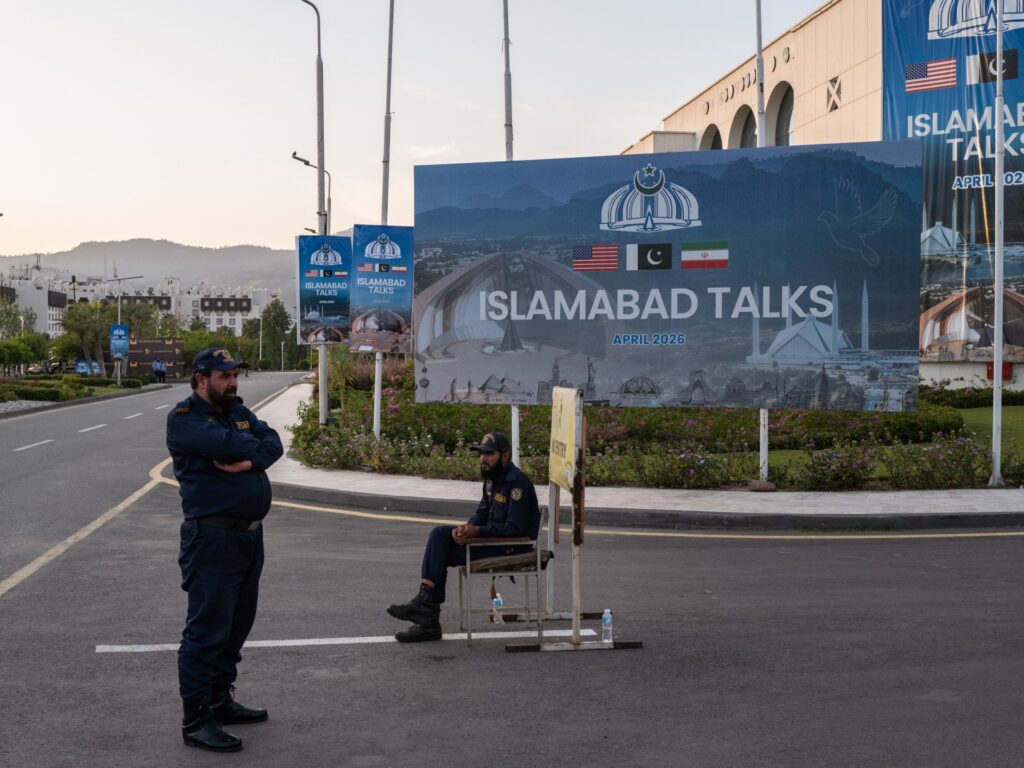
In a significant diplomatic development, Islamabad recently played host to high-stakes talks between the United States and Iran, marking a rare and crucial dialogue amid longstanding tensions. Pakistan’s unique position as a country maintaining balanced relations with the Gulf states, the US, and China enabled it to serve as an effective mediator where others had struggled.
The US-Iran talks held in Islamabad were seen as a breakthrough, particularly because they came at a time of heightened regional instability. These talks did not happen overnight but were the result of prolonged back-channel communications, with Pakistan leveraging its diplomatic networks extensively.
Pakistan’s capital became the meeting ground, bringing together delegations from Washington and Tehran in an environment conducive to constructive engagement. Unlike past attempts elsewhere, these discussions benefitted from the comfort of a neutral venue closely watched but warmly welcomed by the host country.
The US approach aimed at addressing key issues such as nuclear proliferation, regional security challenges, and sanctions relief. Meanwhile, Iran sought assurances on safeguarding its sovereign interests and lifting of restrictive economic measures that have severely impacted its economy.
Throughout the negotiations, Pakistan’s role was multifaceted. Islamabad not only provided logistical support but also facilitated communication channels to reduce misunderstandings. Pakistani diplomats worked tirelessly behind the scenes to bridge gaps in trust and foster a mutual willingness to compromise.
Observers noted that Pakistan’s balanced foreign policy, especially its ties with the Gulf Cooperation Council (GCC) countries and its strategic partnership with the US and China, gave it an unparalleled advantage in orchestrating these talks. Islamabad managed to maintain neutrality while advocating for peace and stability in the region.
The outcomes of the talks, though not immediately transformative, laid a foundation for future engagement. Agreements were reached on certain humanitarian issues and the framework for continuing dialogue was established.
Experts suggest that Pakistan’s success in this diplomatic endeavor highlights its potential as a peace broker in broader Asia and the Middle East. This role may evolve with continued support from international stakeholders eager for de-escalation in a region fraught with conflict.
The Islamabad talks underscore the importance of inclusive diplomacy and the value of countries that can act as intermediaries in resolving global disputes. Pakistan’s ability to navigate complex international relations will likely bolster its geopolitical significance.
In conclusion, the US-Iran talks in Islamabad represent a hopeful step towards diplomacy and dialogue over confrontation. Pakistan’s pivotal role in this process accentuates its emerging stature on the global stage, reinforcing the idea that achieving peace often requires trusted hosts capable of bridging divides where others have failed.