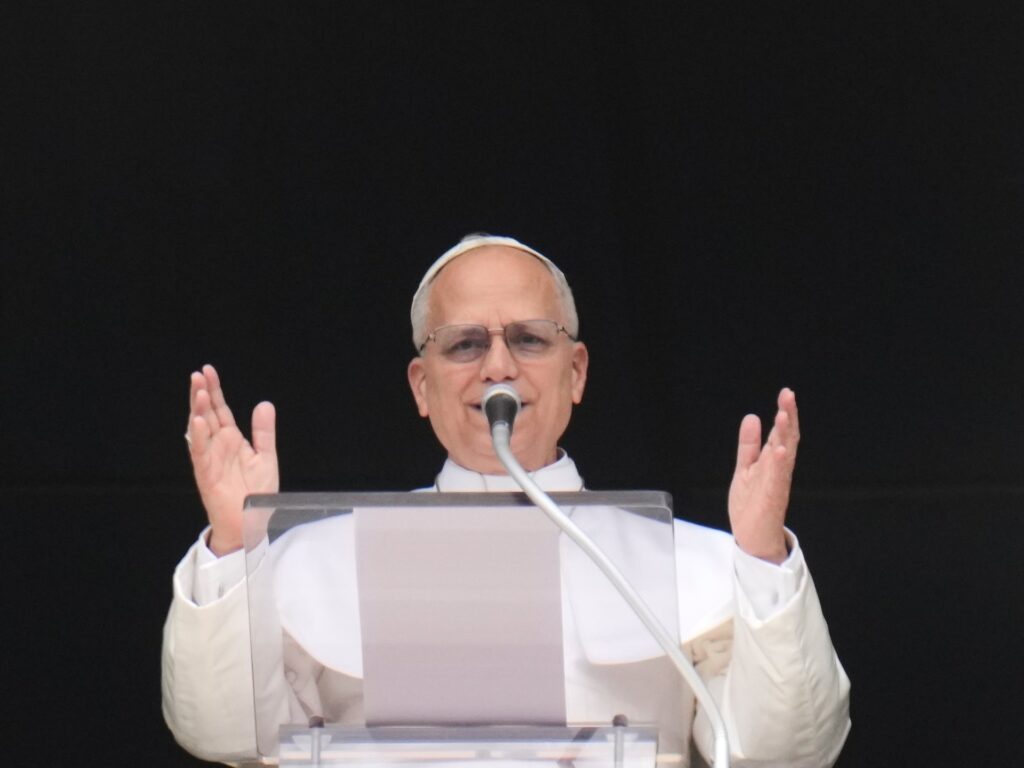
Pope Leo has arrived in Algeria, marking the start of his historic visit to Africa. This journey, which spans 11 days, will take him not only across Algeria but also to Cameroon, Angola, and Equatorial Guinea. The significance of this tour lies in both its spiritual and diplomatic dimensions, as it aims to strengthen the ties between the Vatican and African nations.
The Pope’s arrival in Algeria is highly symbolic. Algeria, a country with a predominantly Muslim population, has a Christian minority, and the Pope’s presence there highlights interfaith dialogue and the promotion of peace among different religious communities. His visit is expected to foster greater understanding and cooperation between Christians and Muslims, championing harmony in a region often marred by religious and ethnic tensions.
During his stay in Algeria, Pope Leo is scheduled to meet with religious leaders, government officials, and community members. These meetings are aimed at discussing issues such as social justice, poverty reduction, and the promotion of human rights. The Pope’s message will emphasize compassion, solidarity, and the importance of coexistence.
Following Algeria, Pope Leo will continue his tour to Cameroon, Angola, and Equatorial Guinea. Each country presents unique challenges and opportunities for the Catholic Church and the Vatican’s diplomatic engagement. Cameroon, with its diverse population and ongoing conflicts, is a focal point for peacebuilding efforts. Angola, rebuilding after years of civil war, provides a backdrop for messages of reconciliation and hope. Equatorial Guinea, a smaller nation with a substantial Catholic community, represents an opportunity for strengthening faith and community bonds.
Throughout his trip, Pope Leo is expected to conduct several masses and public appearances, reaching out to the African faithful and inspiring hope and faith. His visit underscores the Vatican’s commitment to supporting the growth and development of the Catholic Church in Africa, which is one of the fastest-growing regions for Christianity worldwide.
The Pope’s Africa tour also has broader implications for global diplomacy. It serves as a platform to highlight issues such as climate change, development aid, and the fight against corruption. By engaging with African leaders and communities, Pope Leo is advocating for sustainable development and the protection of the environment, which are key concerns for the continent.
This historic visit is generating significant anticipation and excitement among the local populations. Many see the Pope’s tour as a chance to bring attention to social issues, encourage peace, and strengthen faith across diverse communities.
In summary, Pope Leo’s 11-day Africa tour starting with his visit to Algeria is a landmark event that blends spiritual leadership with a commitment to social justice, peace, and interreligious dialogue. His journey through Algeria, Cameroon, Angola, and Equatorial Guinea will likely leave a lasting impact on both the Catholic Church’s role in Africa and the broader efforts to promote harmony and development on the continent.