A French court has found the multinational cement company Lafarge guilty of financing terrorism in Syria, marking the culmination of a lengthy legal battle over the company’s conduct during the Syrian civil war. Lafarge, once one of the largest cement producers globally, was accused of making payments to armed groups in Syria, including terrorist organizations, to maintain its business operations amid the conflict.
The lawsuit, which garnered significant public and media attention, focused on Lafarge’s activities from 2013 to 2014 when the Syrian civil war was at its peak. During that time, the company allegedly paid substantial sums to various armed factions, including groups recognized as terrorist organizations by international authorities. These payments were reportedly made to secure the safety of its employees and the continued operation of its Syrian cement plant in Jalabiya.
French prosecutors charged Lafarge and several of its executives with financing terrorism, endangering the lives of others, and violating sanctions imposed on Syria. After extensive investigations and trials, the court ultimately ruled in favor of the prosecution. The company was ordered to pay a significant fine and was held responsible for the unlawful payments.
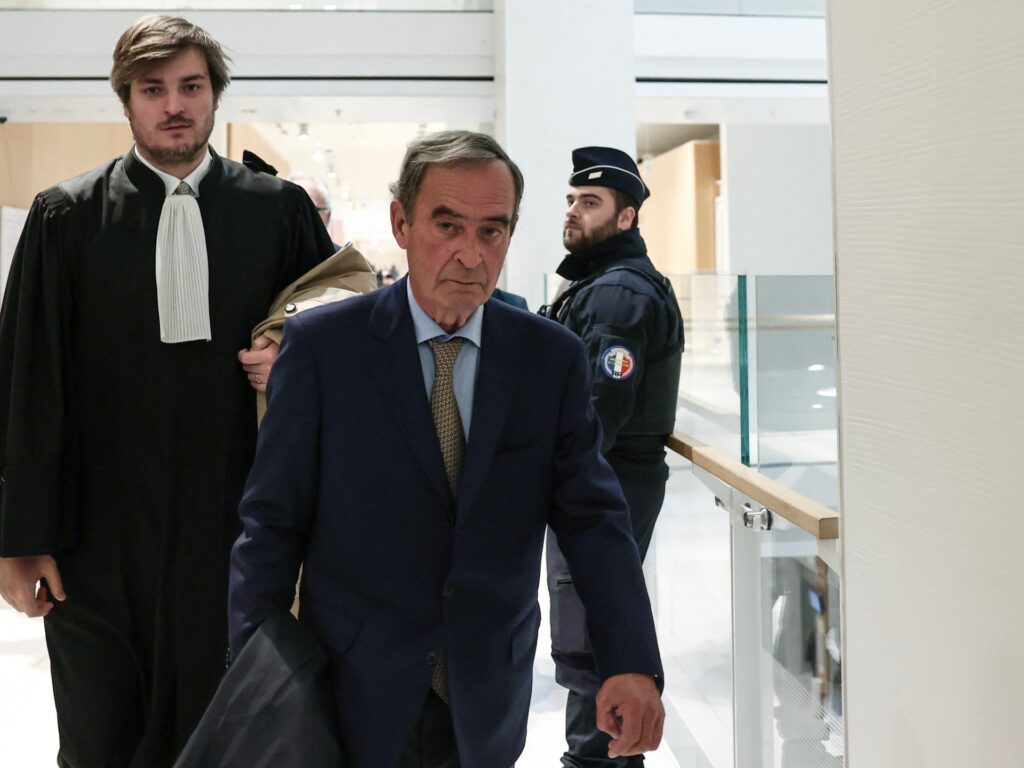
Moreover, several senior executives involved in the decision-making process were sentenced to jail terms, underscoring the gravity of the court’s findings. The ruling marked a rare instance where a major corporation faced legal consequences for its actions amidst an ongoing conflict zone.
Lafarge’s defense argued that the company acted under duress and complied with humanitarian principles by ensuring the safety of its workforce. However, the court found that these justifications did not excuse the company’s involvement in financing terrorist groups, which contributed to perpetuating violence and instability in the region.
This landmark case serves as a cautionary tale for multinational corporations operating in conflict zones, emphasizing the importance of adhering to international laws and ethical standards. It also highlights how businesses can be held accountable for their indirect contributions to terrorism and human rights violations.
Human rights organizations welcomed the verdict, calling it a step forward in corporate accountability and justice for victims of the Syrian conflict. They urged other companies to review their policies and practices to prevent similar abuses in the future.
Lafarge, now part of the LafargeHolcim group after a merger, acknowledged the court’s decision and expressed regret over the events leading to this legal outcome. The company has pledged to strengthen its compliance measures and ensure that its future operations uphold international norms.
This ruling sets a precedent in the global business community, reinforcing the message that complicity in funding terrorism will not be tolerated and will face stringent legal repercussions. As the Syrian civil war continues to impact millions, this judgment underscores the essential role of law and justice in addressing complex corporate responsibilities in times of conflict.