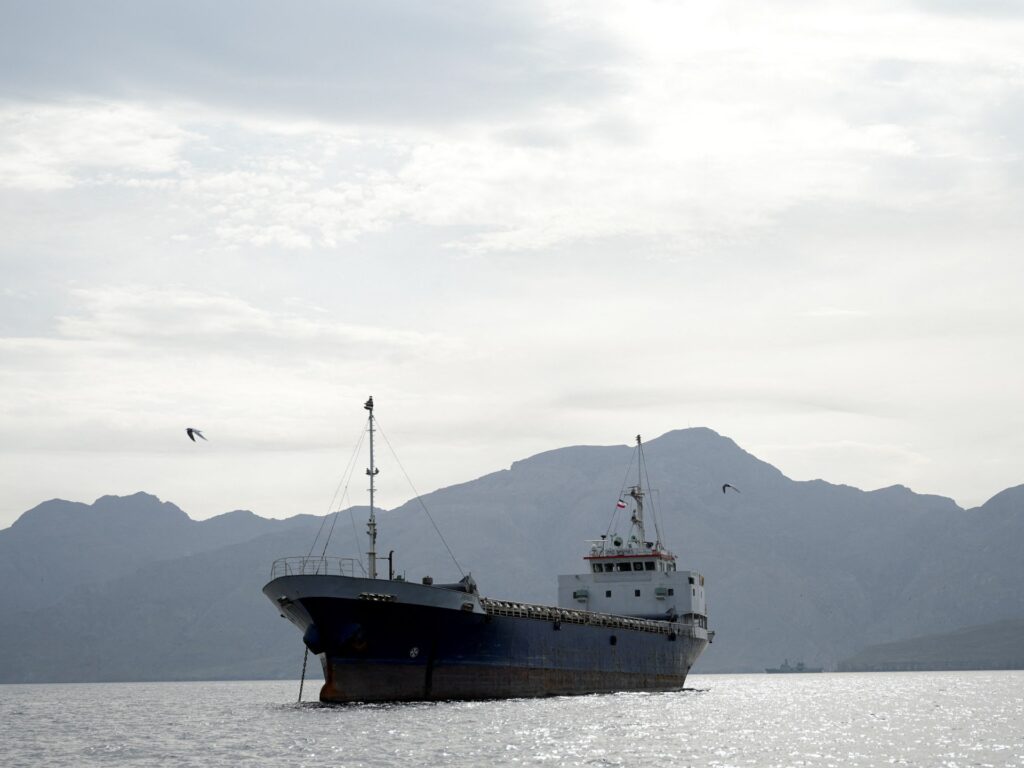
The US military has issued a stern warning indicating its intention to blockade all Iranian ports beginning Monday. This strategic move comes amid escalating tensions between the United States and Iran, and it signifies a serious escalation in the already strained relations between the two nations. According to a statement from the US Central Command, while the blockade will restrict access to all Iranian ports, vessels will still be permitted to transit the critical maritime route, the Strait of Hormuz, to and from non-Iranian ports. The Strait of Hormuz is a vital artery for global oil shipments, with a significant percentage of the world’s petroleum passing through this narrow waterway, making its security a top priority for many countries.
The decision to threaten a blockade is a significant military and diplomatic action. It aims to pressure Iran economically and politically by limiting its maritime trade capabilities. A blockade typically involves the use of naval forces to prevent ships from entering or leaving enemy ports, effectively isolating the nation from international trade routes. This kind of measure is often seen as an act of war or a precursor to more aggressive military actions.
The US Central Command’s assurance that vessels can still transit the Strait of Hormuz underscores the United States’ intention to maintain freedom of navigation in international waters, especially through this chokepoint. Ensuring the free flow of commerce and energy supplies remains a critical interest for the US and its allies. However, this balance is delicate and could be disrupted by any aggressive Iranian response.
Iran has historically viewed the Strait of Hormuz as a strategic leverage point due to its geographical position. Any closure or blockade could severely impact global energy markets. In response to such threats in the past, Iran has occasionally warned it could block the strait itself to retaliate against US or allied actions.
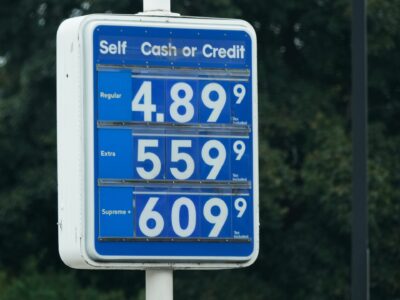
The international community is likely to monitor this development with concern, as a blockade could trigger broader regional instability or provoke military confrontations. The economic implications are also significant, as restrictions on Iranian ports could affect global oil prices and supply chains.
Diplomatic efforts may intensify to prevent the situation from escalating into open conflict. Many countries have a vested interest in ensuring that the Strait of Hormuz remains open and that maritime commerce continues unimpeded. The US military’s declaration highlights the increasing tensions but also offers a window that still recognizes the importance of free navigation in the region.
As the deadline of Monday approaches, all eyes will be on the actions of both the US and Iran. The international community will be closely watching for responses from Tehran, movements of naval forces, and any diplomatic initiatives aimed at de-escalating the situation. The coming days could prove pivotal in shaping the future of Middle Eastern geopolitics and global maritime security.