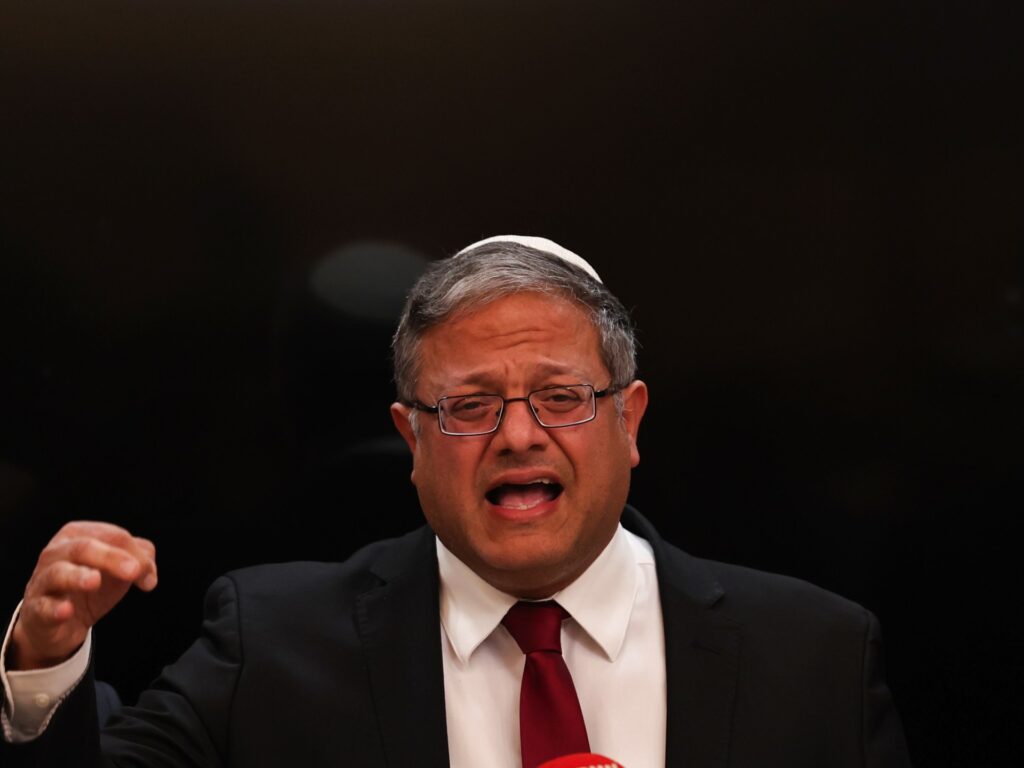
In a move that has sparked widespread outrage, Israel’s far-right security minister, Itamar Ben-Gvir, stormed the Al-Aqsa Mosque compound, one of the holiest sites in Islam located in East Jerusalem. The minister was reportedly accompanied by a significant security detail as he entered the sensitive religious site, an action that has drawn strong condemnation from Palestinian leaders and communities.
The Al-Aqsa Mosque compound, also known to Jews as the Temple Mount, is a focal point of religious and political tensions between Israelis and Palestinians. The site holds profound significance for both Muslims and Jews, making any visit by political figures particularly sensitive.
Palestinian officials have described Ben-Gvir’s visit as a provocation and an escalation that threatens to destabilize an already fragile situation. They argue that the entrance of a far-right Israeli minister, known for his nationalist and controversial views, into the mosque compound sends a hostile signal to the Palestinian population and wider Muslim world.
Community leaders and activists in Palestinian territories have called the incident an attack on the sanctity of the mosque and a deliberate attempt to assert Israeli sovereignty over the area. Protests and demonstrations were organized in response, expressing solidarity with the Muslim community and demanding respect for the site’s religious sanctity.
The Israeli government, however, has defended the visit as a lawful and routine security-related measure, asserting that freedom of worship and access rights are upheld. Officials emphasized the need to maintain security around the compound, which has been a flashpoint for violent clashes in the past.
International reactions have been mixed. Some countries and organizations have expressed concern over actions that could exacerbate tensions in Jerusalem, urging restraint and dialogue. Others see the visit as within Israel’s administrative rights over the area.
The incident underscores the ongoing complexities and sensitivities surrounding Jerusalem, a city claimed as a capital by both Israelis and Palestinians. Al-Aqsa Mosque, as a symbol, continues to be at the heart of political and religious conflict, where actions by political figures can ignite broader unrest.
Observers warn that such provocative actions risk undermining efforts toward peace and increase the potential for violent confrontations. Calls for renewed commitment to dialogue and respect for religious sites have been amplified in the wake of this event.
As tensions in the region continue, the storming of the Al-Aqsa Mosque by Ben-Gvir serves as a stark reminder of the deep divisions and unresolved conflicts that persist in the Israeli-Palestinian dispute. The path to peace remains fraught with challenges, requiring sensitivity, respect, and genuine engagement from all parties involved.