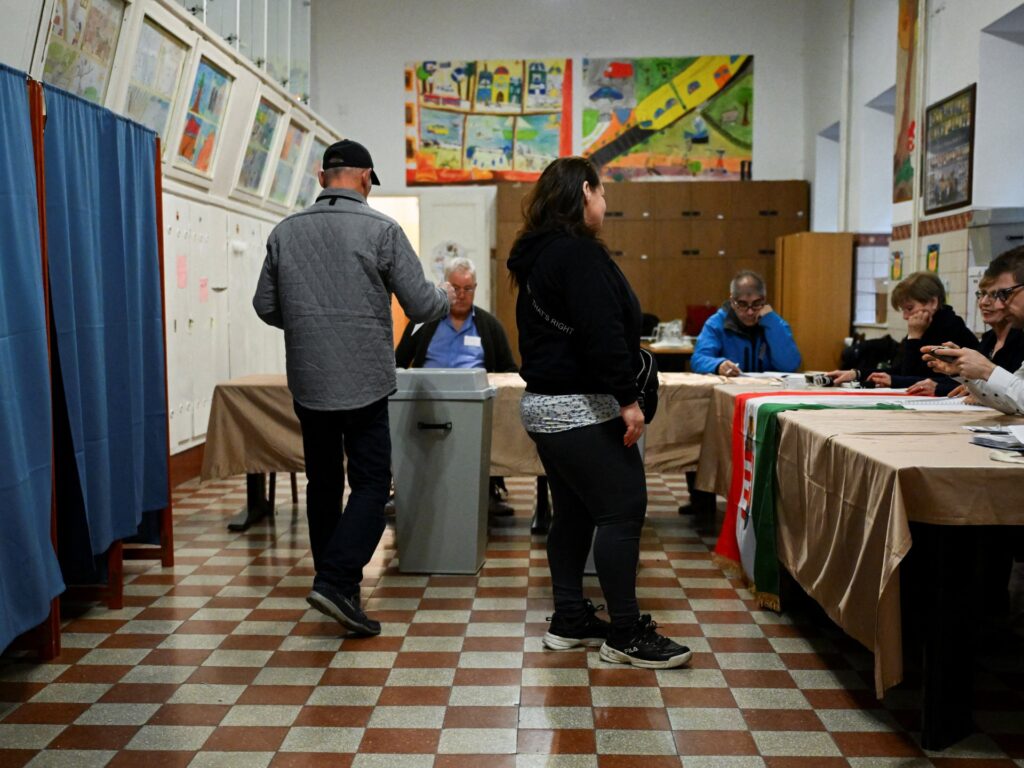
Hungary is heading to the polls in a highly consequential parliamentary election that could mark a turning point in the nation’s political landscape. Prime Minister Viktor Orban, who has dominated Hungarian politics for 16 years, faces his toughest challenge yet. This election is viewed by many as a potential referendum on Orban’s long tenure and his party’s policies.
Orban, leader of the Fidesz party, has maintained a strong grip on power since 2010, with a broad base of support grounded in nationalist and conservative rhetoric. Over the years, his government has been noted for its strict immigration policies, judiciary reforms, and efforts to reshape the media landscape. This approach has polarized voters both domestically and internationally.
However, rising economic pressures, allegations of corruption, and concerns about democratic backsliding have galvanized opposition parties to form a united front. Multiple opposition parties have set aside differences to challenge Orban’s dominance, hoping to capitalize on a wave of discontent over economic inequality, inflation, and governance.
This election is not just a routine democratic exercise but is seen as a critical moment for Hungary’s future direction. Observers note that a defeat for Orban could lead to significant policy shifts, particularly regarding Hungary’s relationship with the European Union and its stance on international issues.
Voter turnout and engagement are expected to be high as citizens weigh the past sixteen years of Orban’s leadership against promises of change from opposition coalitions. International observers are closely monitoring the election, mindful of its implications for the region’s stability and Hungary’s role within the EU.
The results are poised to either reinforce Orban’s political legacy or usher in a new era, one that could alter Hungary’s social, economic, and political fabric. With tensions heightened and campaigns intensifying, the eyes of Hungary and the world are fixed on what could be one of the most significant electoral outcomes in recent European history.