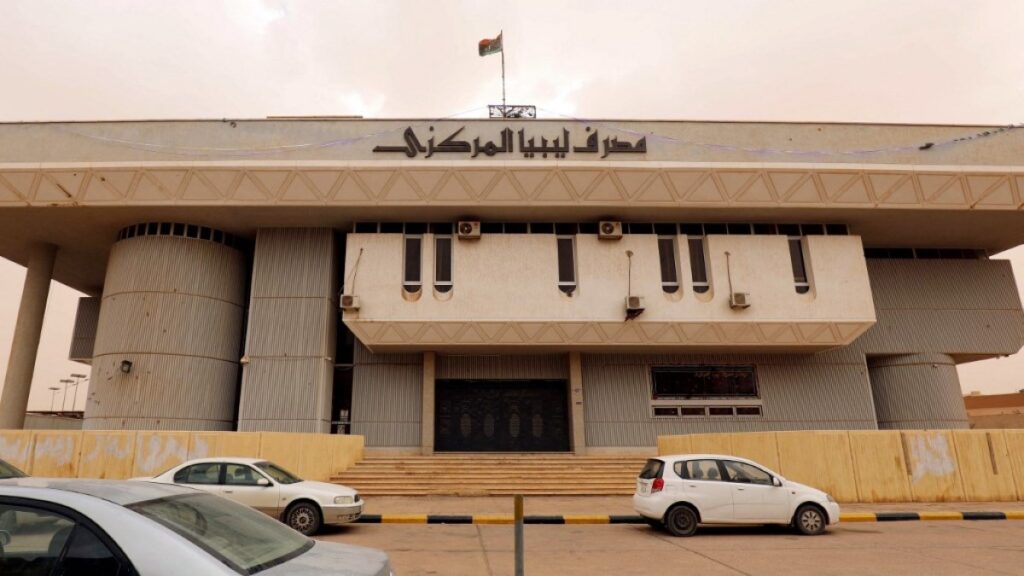
Libya has taken a significant step forward by approving its first unified budget in more than ten years, a development hailed by the country’s central bank as proof of Libya’s capability to overcome longstanding divisions. This rare budget deal marks a milestone in the country’s efforts to stabilize its economy and unify its political factions after years of conflict and fragmentation.
The approval of a unified national budget is a vital indicator of progress in Libya’s post-conflict reconstruction efforts. It signals a renewed commitment from various factions to collaboratively manage the country’s resources and provide essential services to its citizens. Over the past decade, Libya has faced severe challenges, including political instability and discord between competing authorities, which led to fragmented governance and economic policies.
The central bank of Libya underscored the importance of this agreement, describing it as a sign of hope and a demonstration that Libya can move beyond its internal divisions. The unified budget is expected to lay the foundation for more coordinated fiscal policies, improve public sector management, and enhance transparency in government spending.
This budget deal is not only a financial and administrative achievement but also carries significant symbolic weight. It shows that despite the complex political landscape, internal rivals are willing to engage in dialogue and cooperation toward the country’s reconstruction and development.
Economic analysts observe that the success of a unified budget can potentially attract foreign investment and aid, which are crucial for Libya’s economic recovery. With a consistent and comprehensive financial plan in place, Libya can better manage its oil revenues, which constitute a major portion of its national income.
Moreover, the unified budget helps in addressing the disparity in public service delivery across different regions, ensuring a more equitable distribution of resources. This aspect is vital for national reconciliation, as it fosters a sense of inclusion among all Libyans.
The process of approving this budget has reportedly involved negotiations among various political groups and regional authorities, highlighting an encouraging trend of cooperation and consensus-building. Though challenges remain in the implementation phase, this development is a stepping stone toward restoring state institutions and governance.
International actors and the United Nations have welcomed this progress, viewing it as a positive sign for stability and peace in Libya. Continued support and encouragement from the global community remain essential for sustaining this momentum.
In conclusion, Libya’s approval of its first unified budget in over a decade symbolizes a new chapter in the country’s post-conflict era. It reflects a collective will to move towards national unity, economic stability, and political reconciliation, offering hope for a more prosperous and peaceful future for Libya and its people.