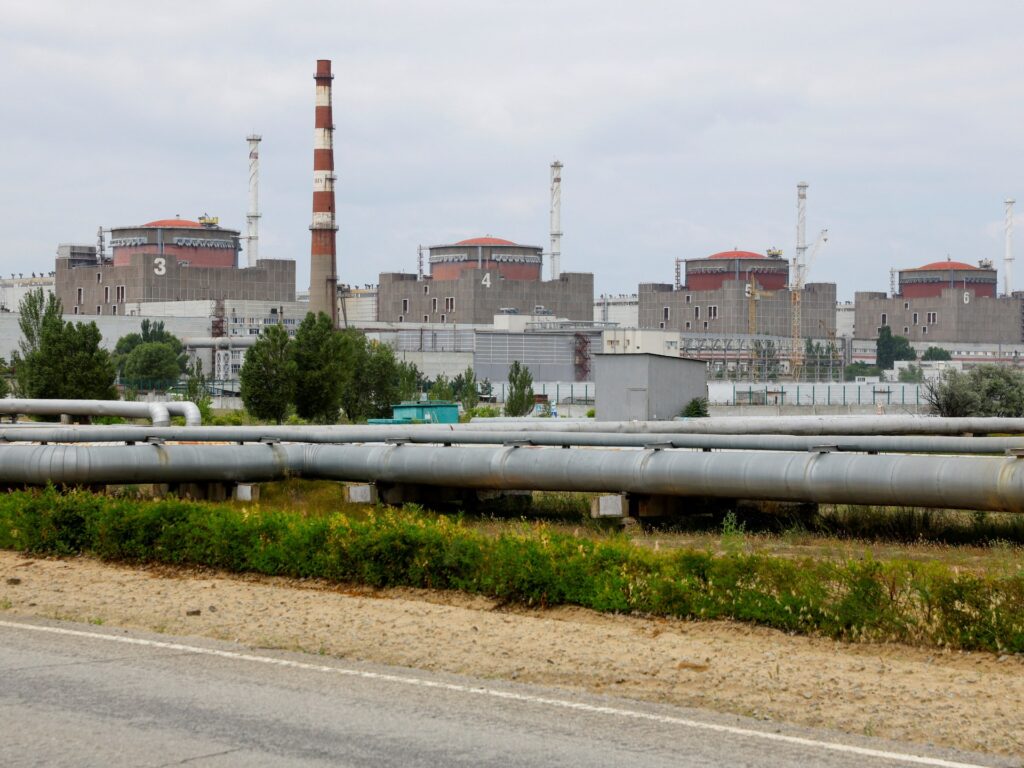
The International Atomic Energy Agency (IAEA) has successfully brokered a ceasefire in Ukraine to facilitate urgent repairs to the Zaporizhzhia nuclear power plant, the largest of its kind in Europe. This development comes amid ongoing concerns about the safety and security of the plant throughout Russia’s conflict with Ukraine.
The Zaporizhzhia plant has been a focal point of worry due to repeated shelling and military activities near the facility since the outbreak of hostilities. Damage to critical infrastructure at the plant raises the risk of a nuclear accident, which could have catastrophic consequences for the region and beyond.
In response to these threats, the IAEA has worked diplomatically to secure a temporary ceasefire agreement between the conflicting parties. This pause in military operations is intended to provide safe access for technicians and engineers to conduct necessary maintenance and repairs on the plant’s machinery and safety systems.
Officials from the IAEA emphasized that maintaining the operational safety of the Zaporizhzhia plant is vital, not only for Ukraine but for all countries in Europe. The plant supplies a significant portion of Ukraine’s electricity and contributes to regional energy security.
The ceasefire agreement marks a rare moment of cooperation amid ongoing hostilities, highlighting the critical importance of nuclear safety transcending geopolitical conflicts. International experts will remain involved to monitor the situation and ensure that the plant continues to operate within safe parameters.
Ukraine’s government expressed relief and gratitude toward the IAEA for facilitating the ceasefire and underlined the necessity of preventing any nuclear incidents during wartime. They called on all parties to uphold the agreement and avoid further military actions near the nuclear site.
The situation at Zaporizhzhia remains delicate, and the international community is closely watching any developments. The incident has underscored the broader risks of military conflicts occurring near nuclear facilities and the need for international protocols to protect such critical infrastructure.
While the ceasefire is an important step, experts warn that long-term solutions will require sustained diplomatic efforts and possibly new international agreements to ensure the safety of nuclear plants in conflict zones.
This episode has brought renewed attention to the challenges of managing nuclear safety in war zones and the vital role of international organizations like the IAEA in preventing disasters. As the ceasefire takes effect, all eyes will be on the Zaporizhzhia plant to see if the repairs can be completed without incident and whether this fragile peace can hold.
In summary, the IAEA’s mediation has enabled a crucial window for repairs at the Zaporizhzhia nuclear power plant, serving as a beacon of hope for increased safety and cooperation amid a worrying conflict. The ongoing vigilance of the global community remains essential to protect this key energy asset and prevent any potential nuclear catastrophe.