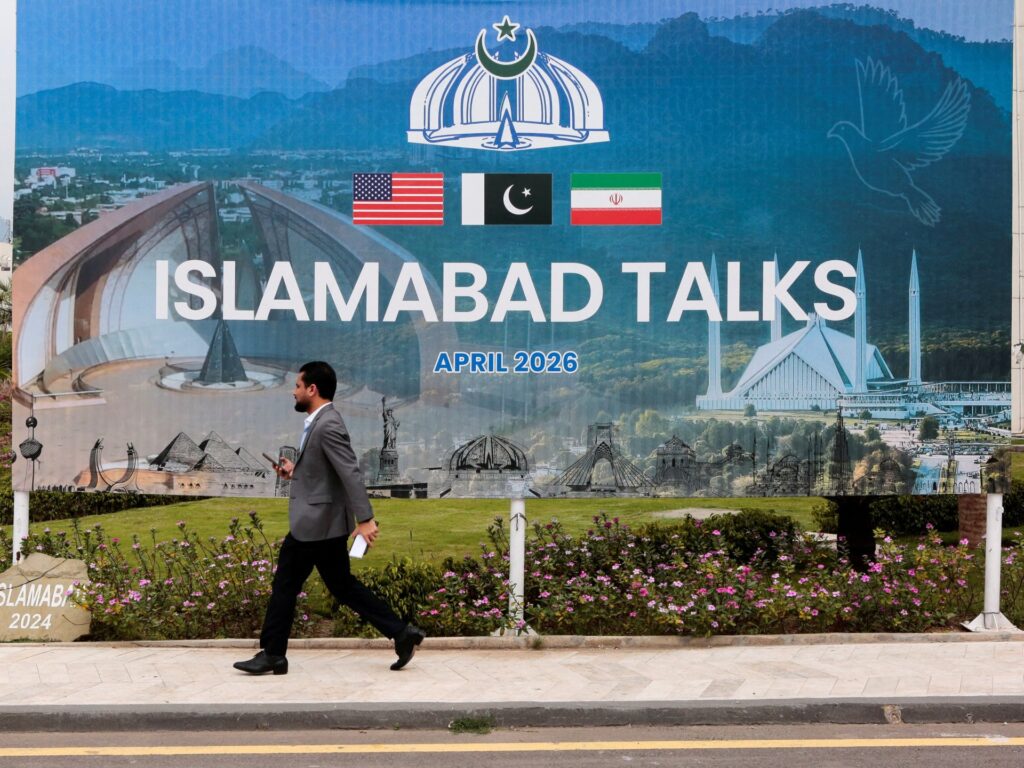
In the ongoing high-stakes discussions between Iran and the United States in Islamabad, no final agreement has yet been reached, according to statements by UN envoy Robert Vance. Both sides are engaged in direct talks aimed at resolving critical issues surrounding Iran’s nuclear program. Vance revealed that the U.S. has presented what it calls its “best, final offer” in efforts to reach a consensus, but the negotiations remain complex and unresolved.
A focal point of contention in the discussions is the status of the Strait of Hormuz, a vital waterway through which a significant portion of the world’s oil shipments pass. Both parties recognize the strategic importance of this area, with the US likely emphasizing freedom of navigation and Iran seeking assurances regarding its own security interests.
The talks, conducted in the Pakistani capital, reflect ongoing diplomatic efforts to revive or renegotiate terms that would prevent further escalation in the region and ensure compliance with international nuclear regulations. The lack of an immediate breakthrough highlights the intricate geopolitical dynamics involved.
UN envoy Robert Vance’s comments underscore the challenges ahead. The U.S. offer being termed as “best, final” suggests a pressing timeline and a desire for resolution, but Iran’s position indicates key disagreements remain.
Observers note that successful negotiations would require bridging gaps on nuclear inspections, sanctions relief, and regional security arrangements, including the contentious Strait of Hormuz issue. The international community watches closely, given the broader implications for global energy markets and regional stability.
In response to the ongoing stalemate, diplomatic sources hint at further rounds of dialogue, with mediators seeking creative solutions to the impasse. Both Iran and the U.S. face domestic pressures that complicate negotiations but appear committed to avoiding direct conflict.
The strategic significance of the Strait of Hormuz cannot be overstated; any disruption there could have severe economic consequences worldwide, fueling urgency for a diplomatic solution.
As talks continue, the world remains hopeful for a viable agreement that balances security concerns, economic interests, and international law. The unfolding situation remains fluid, with updates expected as both parties evaluate the respective offers and conditions.
In conclusion, the Iran-US negotiations in Islamabad remain a pivotal diplomatic effort amid heightened tensions. While no deal has been secured yet, the commitment to dialogue represents a crucial step towards potentially stabilizing one of the most volatile regions globally.