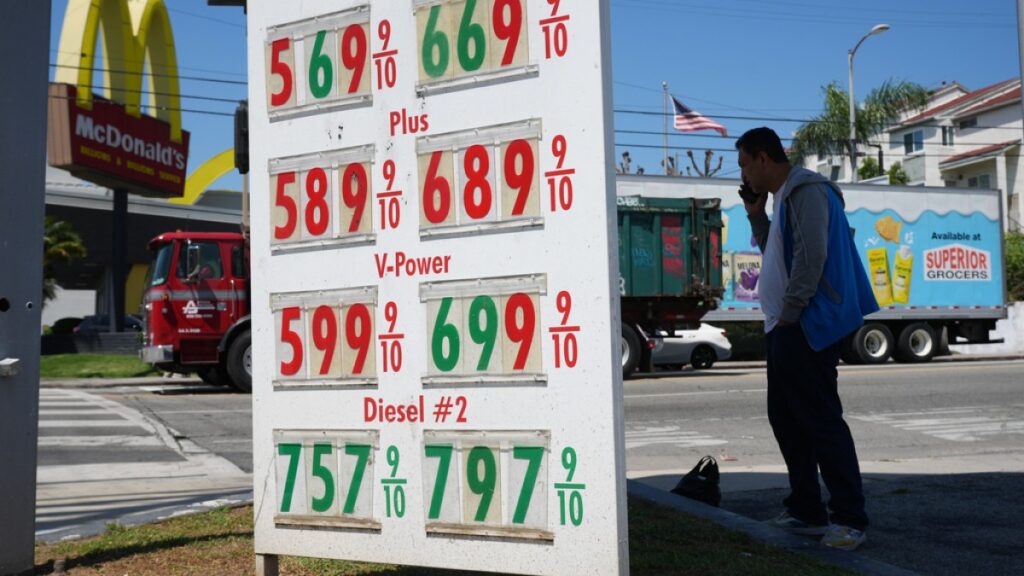
The United States is experiencing a noticeable rise in inflation, exacerbated by geopolitical tensions in the Middle East. A recent government report has highlighted a sharp increase in gasoline prices, which rose by 21.2 percent in March alone. This surge persists despite the announcement of a truce, with petrol prices steadfastly remaining above the $4 per gallon mark.
The driving force behind the inflation spike is linked to ongoing conflicts involving Iran and the strategic blockade of the Strait of Hormuz, a critical chokepoint for global oil shipments. These geopolitical challenges have disrupted supply chains and heightened uncertainty in energy markets, leading to higher costs for consumers in the US.
Gasoline price increases directly impact household budgets, as transportation costs rise and ripple through the economy affecting food prices and other goods reliant on shipping. The inflationary pressures are adding to concerns about the overall economic recovery and putting strain on American families already grappling with elevated living costs.
Economists warn that the situation could lead to sustained inflation if the conflict intensifies or if supply disruptions continue. The government is monitoring developments closely, but solutions remain complex given the geopolitical stakes and dependency on foreign oil supplies.
Efforts to stabilize the energy market include strategic reserves releases and diplomatic efforts to ease the blockade. However, the pace of these measures and their effectiveness are uncertain. Analysts suggest that consumers may face higher prices for the foreseeable future until a lasting resolution is achieved in the region.
The situation underscores the vulnerable interconnectedness of global energy markets and the broad economic consequences of regional conflicts. It also highlights the critical need for diversified energy sources and policies aimed at reducing dependency on volatile foreign oil supplies.
As Americans contend with rising costs, policymakers face the challenge of balancing immediate inflation control with long-term energy security strategies. Meanwhile, the market response and consumer behavior will be closely watched as indicators of the economic outlook.
In summary, inflation in the US is rising amid the Iran war and Hormuz blockade, with gasoline prices rising steeply in March. The challenges posed by these events emphasize the complex interplay between geopolitical instability and domestic economic conditions, with significant impacts on fuel costs and overall inflation.