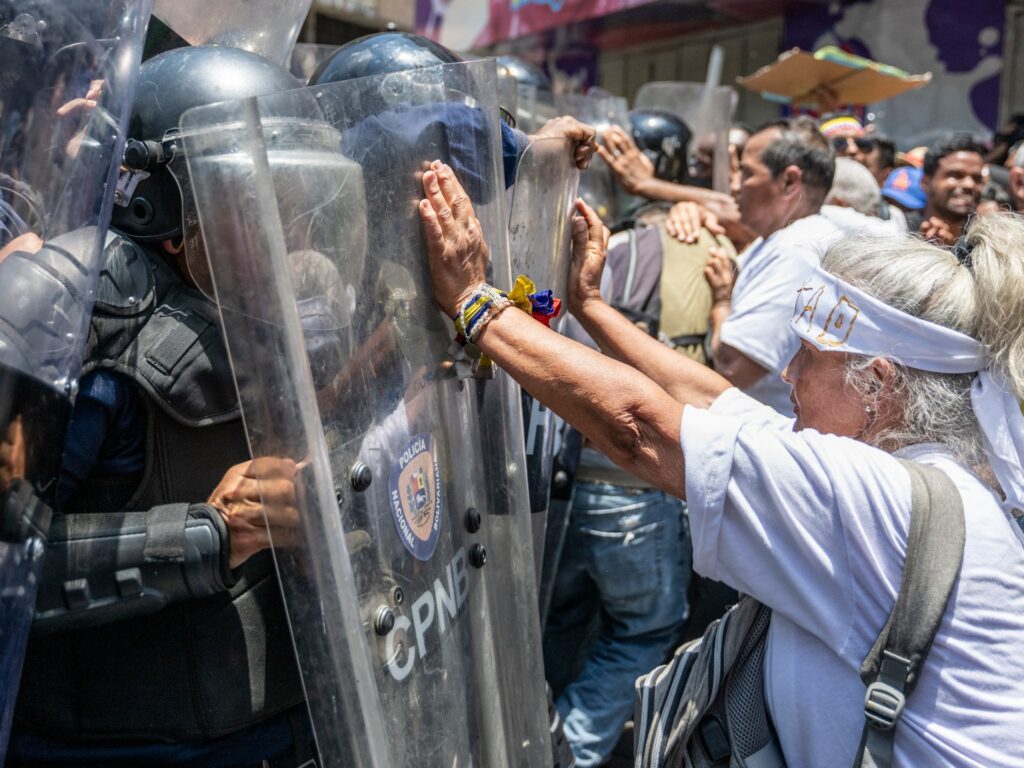
In Venezuela, recent protests have erupted as citizens call for higher wages and improved pensions, highlighting the ongoing economic struggles within the country. However, these demonstrations have been met with strong resistance from police forces who have actively blocked protesters from voicing their demands in public spaces.
The core issues revolve around the escalating cost of living, which remains a significant challenge for Venezuelans. The economic hardships have been exacerbated following the turbulent political climate since January, when the United States orchestrated the controversial abduction of former President Nicolas Maduro. This event has only deepened instability and economic uncertainty for the population.
Protesters express frustration over stagnant income levels failing to keep pace with soaring inflation and daily expenses. Many retirees and pensioners feel particularly vulnerable as their fixed incomes have not been adjusted to reflect current economic realities, pushing them further into hardship.
Authorities, citing concerns about security and public order, have taken preventive measures to prevent mass gatherings. Police presence has been noticeably increased in key urban centers, and checkpoints have been established to intercept groups attempting to organize demonstrations.
Human rights organizations and international observers have condemned the crackdown on peaceful protests, calling on Venezuelan authorities to respect citizens’ rights to free assembly and expression. The suppression of these demonstrations raises concerns about the government’s willingness to engage constructively with widespread public grievances.
Economists warn that without significant reforms and measures to address income disparities, the social unrest could intensify. The economic crisis in Venezuela is marked by hyperinflation, frequent shortages of basic goods, and a shrinking workforce due to emigration.
Efforts to negotiate wage increases have met with limited success amid budgetary constraints and ongoing political discord. Meanwhile, citizens continue to bear the brunt of rising food prices, housing costs, and healthcare expenses.
The situation remains tense as Venezuelans strive to secure a better future against a backdrop of economic hardship and political uncertainty. The government faces mounting pressure from both domestic and international actors to implement policies that can stabilize the economy and restore public confidence.
In summary, Venezuela’s blocked protests reflect deeper systemic challenges that require urgent attention. The balance between maintaining order and respecting civil liberties remains delicate, underscoring the complex nature of governance in the current environment. The international community watches closely, hopeful for a peaceful resolution that addresses the pressing issues of wages, pensions, and overall cost of living faced by Venezuelan citizens.