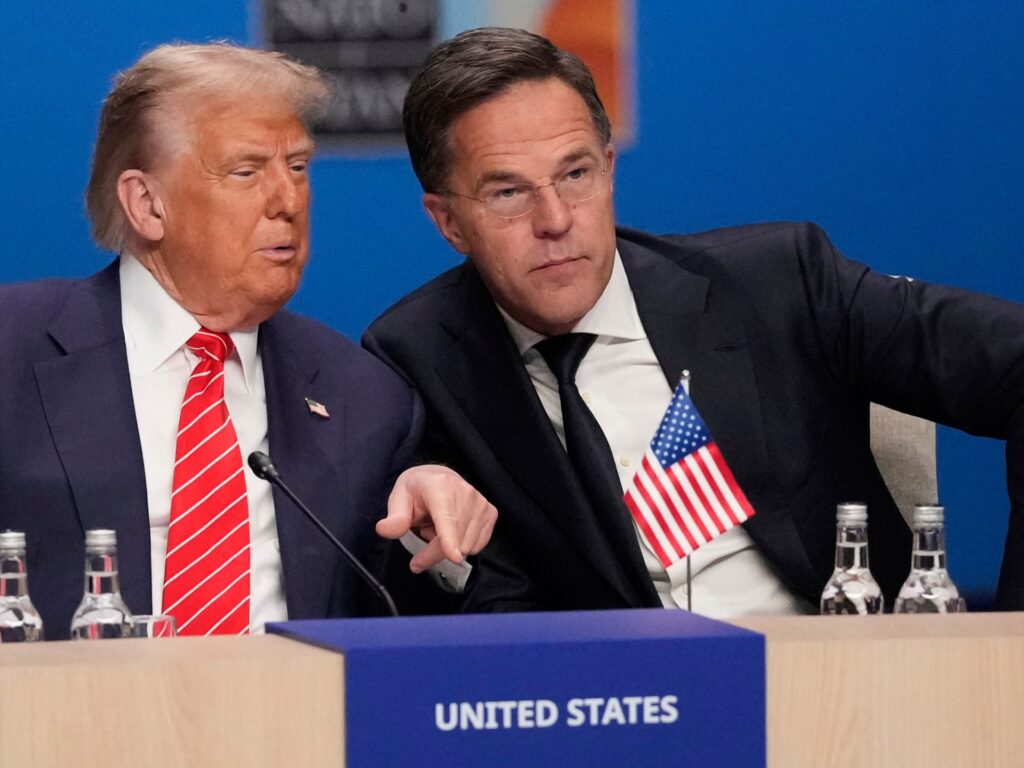
In a recent series of high-profile meetings and statements, US President Donald Trump sharply criticized NATO’s response to the situation regarding Iran and threatened geopolitical moves concerning Greenland. The events unfolded following Trump’s meeting with Dutch Prime Minister Mark Rutte, reflecting rising tensions and frustration in international relations.
During the meeting with Prime Minister Rutte, Trump expressed deep disappointment in NATO member states for their lack of support in the United States’ stance and potential military action against Iran. He criticized the alliance for not collectively backing the US efforts, signaling a rift within NATO on foreign policy approaches.
Trump’s comments came shortly after his meeting with NATO Secretary-General, where he reiterated concerns about the alliance’s cohesion and commitment to shared defense and strategic objectives. He emphasized the need for greater solidarity among member nations if NATO is to remain effective in addressing global threats.
In addition to the NATO-related criticisms, President Trump briefly reignited his controversial proposal regarding Greenland. His renewed threat to pursue a deal for Greenland signals continued interest in expanding American geopolitical influence in the Arctic region, a move that has sparked significant debate and diplomatic pushback.
The President’s outspoken remarks about NATO and Iran underscore ongoing challenges in transatlantic relations and the complexities of dealing with regional powers like Iran. His stance also highlights tensions within NATO, where member states have differing perspectives on engagement in Middle Eastern conflicts.
Political analysts suggest that Trump’s blunt approach reflects his broader foreign policy style—prioritizing American interests and exhibiting a transactional view of international alliances. This approach has often led to diplomatic tensions with allies while reshaping the US’s role on the global stage.
The renewed Greenland threat sheds light on the growing strategic importance of the Arctic, where climate change is opening new navigation routes and resources. Control over Greenland offers significant military and economic advantages, which the US appears eager to secure.
Overall, Trump’s recent interactions and statements present a complex picture of American foreign policy—marked by assertiveness and friction with traditional allies. The developments following his meetings with Prime Minister Rutte and NATO leadership will likely influence future diplomatic and defense strategies in the coming months.