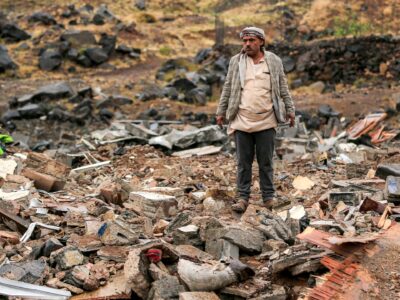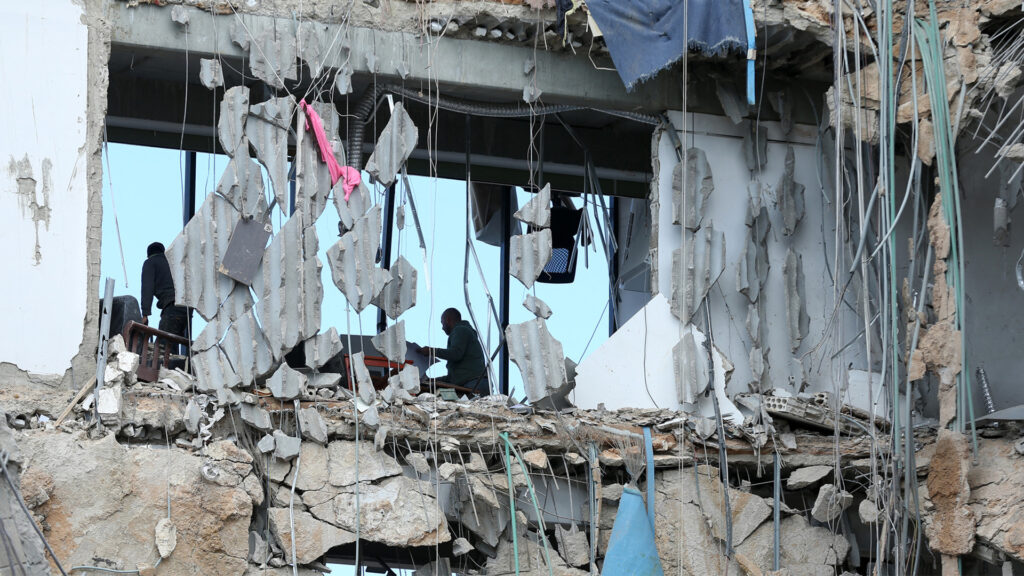
In the wake of the recent ceasefire between Israel and Iran, residents of Sidon are confronting the devastating aftermath of relentless Israeli airstrikes that have left large portions of the city in ruins. Sidon, a historically significant city with deep cultural and religious roots, suffered immense destruction when a religious complex was flattened during the strikes. Eyewitnesses and local inhabitants recount harrowing experiences of the bombings, highlighting the impact on their community’s spirit and infrastructure.
The religious complex, a cornerstone for many in Sidon, symbolized more than just a place of worship; it was a gathering space for communal prayers, celebrations, and a beacon of hope for peace in a conflicted region. Its destruction has left families distraught and has reignited fears of prolonged instability despite the recent ceasefire.
Residents describe the chaos that unfolded as sirens wailed and buildings shook under the force of explosions. Many people fled their homes with little more than what they could carry, seeking refuge from the bombardment. The psychological toll on the population is palpable, as ongoing tensions between regional powers continue to threaten the safety and security of civilians.
Local authorities and humanitarian organizations have begun mobilizing efforts to assess the damage and provide aid to those affected. Emergency shelters have been set up to accommodate displaced families, while medical teams treat the injured and offer psychological support to trauma victims.
Beyond the immediate physical devastation, the strikes have triggered a broader conversation about the fragile political landscape in the Middle East. The ceasefire between Israel and Iran was cautiously welcomed by many, but the escalations in Sidon underscore the complexity of achieving lasting peace.
International observers call for renewed diplomatic engagement to ensure that such violence does not recur, emphasizing the importance of protecting cultural heritage sites and civilian populations during conflicts. The reconstruction of Sidon’s religious complex and the broader recovery of the city will require substantial support, both from within the community and from the global community.
As Sidon’s residents survey the wreckage, their stories offer a poignant reminder of the human cost of conflict. Their resilience and hope for peace continue to inspire efforts to rebuild not just physical structures but also the social fabric that violence has torn apart. The path forward remains uncertain, but the commitment to healing and reconciliation remains strong among the people of Sidon.