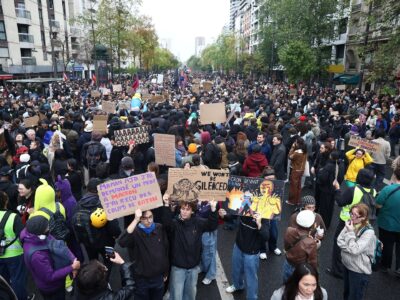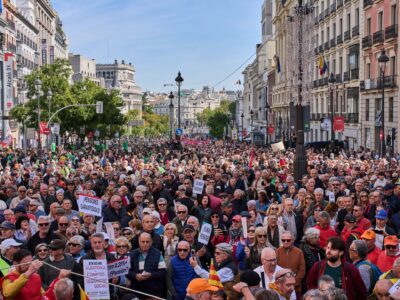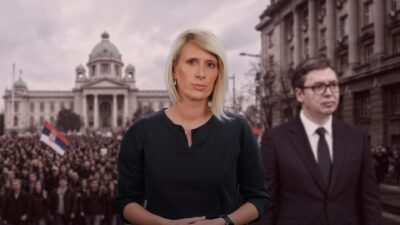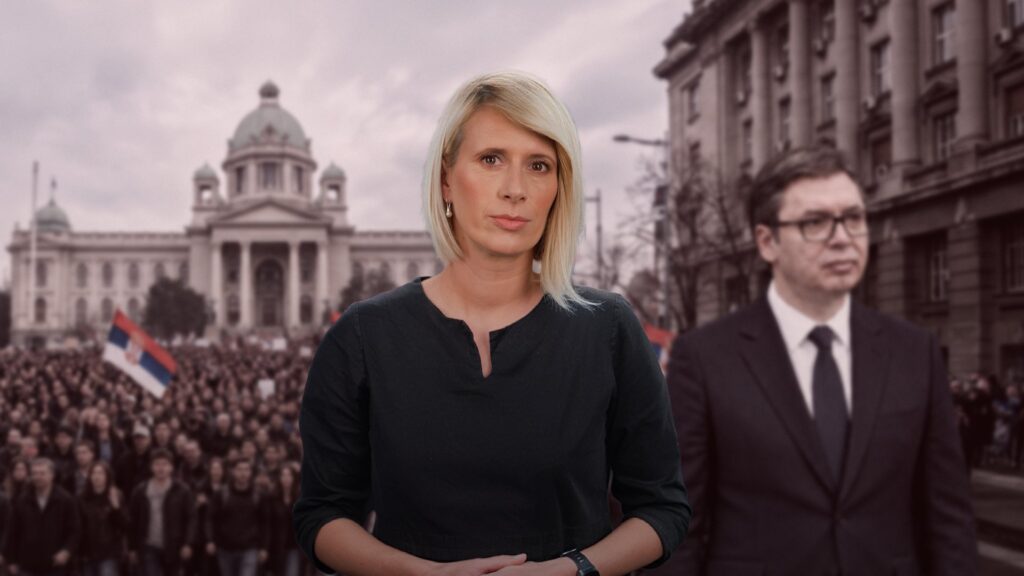
Serbia is currently witnessing a significant political moment as it heads to an early election that could reshape its future. In this election, a notable and unusual development is occurring — students, traditionally seen as passive participants in politics, may actually take power.
The country’s most powerful politician, who has dominated the political landscape for years, is facing a serious challenger backed by a younger generation eager for change. This challenger represents a coalition that has successfully mobilized students and young voters, tapping into their frustrations over economic stagnation, corruption, and limited opportunities.
For decades, Serbia’s political scene has been dominated by established figures and parties, often criticized for lack of transparency and responsiveness to citizens’ needs. However, recent protests and activism have inspired students to become more politically engaged and vocal.
This election symbolizes a potential turning point for Serbia. The student movement, which initially started as grassroots activism, has grown into an organized political force. Their campaign emphasizes modernization, anti-corruption measures, educational reform, and greater integration with European institutions.
The incumbent leader, known for his strongman politics and roots in the post-Yugoslav era, faces the challenge of appealing to a broader constituency beyond his traditional base. The emergence of student-backed candidates and policies emphasizes a generational divide in Serbian politics.
Observers note that this election could mark the beginning of a more pluralistic and democratic era, with increased participation from educated youth who demand accountability and progressive change.
Internationally, the election is being watched closely as Serbia’s stability is crucial for the Balkan region. A shift in power towards younger leaders could have implications for Serbia’s relationships with neighboring countries, the European Union, and global powers.
While the outcome remains uncertain, the key takeaway is that Serbian students are no longer on the sidelines but are central players in shaping their country’s destiny. This election might just be the moment when a new political generation rises to power, reflecting the evolving aspirations of Serbia’s future leaders.