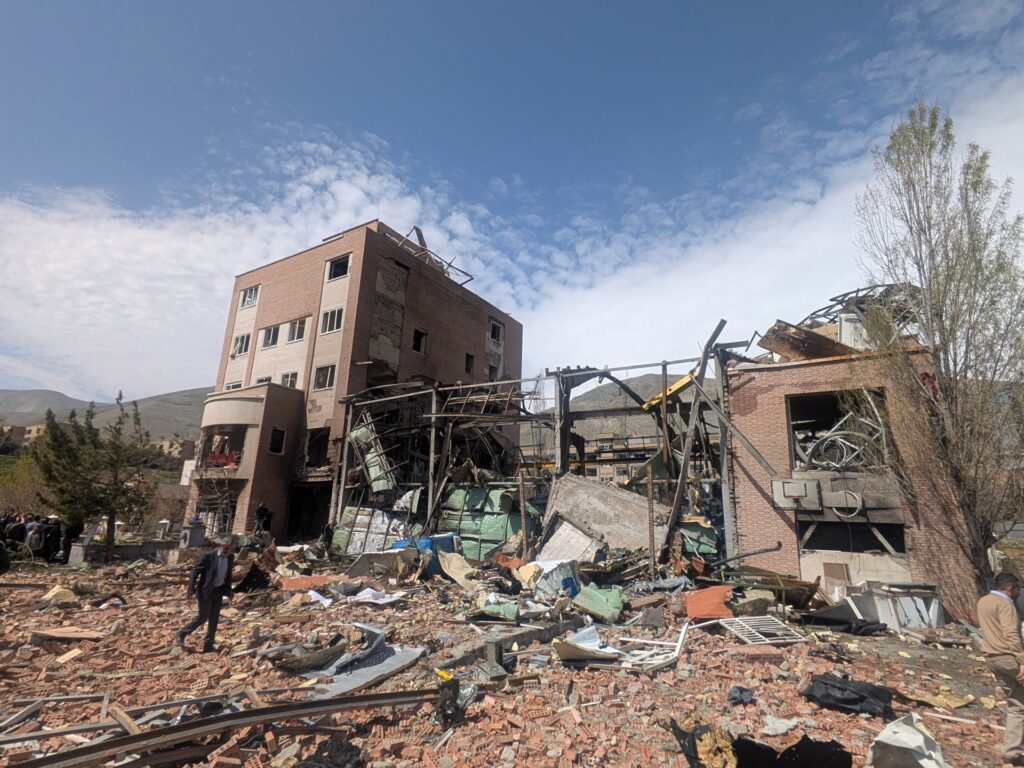
In recent statements, Iranian officials have accused the United States and Israel of engaging in a concerted effort to undermine Iranian culture and education. According to these officials, the attacks are part of a broader strategy aimed at erasing Iranian identity and weakening the nation from within.
Iranian authorities have expressed concerns that the US and Israel are not just targeting military or political aspects but are deeply involved in a cultural and educational war against Iran. These alleged efforts are said to include attempts to influence Iran’s educational curriculum, stifle cultural expressions, and promote ideologies that conflict with traditional Iranian values.
The officials claim this campaign seeks to destabilize the country by encouraging a shift away from Iran’s rich historical heritage, language, and cultural norms. They argue that such a strategy undermines national unity and the sense of pride among Iranian citizens.
Experts and analysts have noted that cultural identity is often a battleground in geopolitical conflicts, with states attempting to project soft power or destabilize opponents by eroding their cultural foundations. In this context, they say, Iran perceives the moves by the US and Israel as a continuation of longstanding hostilities expressed through new, non-military means.
Opposing voices, particularly from the US and Israeli governments, deny any such targeted cultural warfare, framing their actions as part of broader security concerns or efforts to combat extremism.
The claims have been brought to international attention through Iranian media and diplomatic channels, with Iranian officials calling for solidarity among their population to resist these influences and preserve their unique cultural identity.
This controversy highlights the complex nature of modern conflict where the battlefield extends beyond physical borders into educational institutions, media, and the preservation of cultural identity.
As the situation develops, it remains to be seen how deeply these allegations reflect genuine state policies or are part of broader political rhetoric amid ongoing tensions in the region.