The past week has seen a significant escalation in tensions and violence in the Palestinian territories, marked by widespread protests and intensified Israeli military actions.
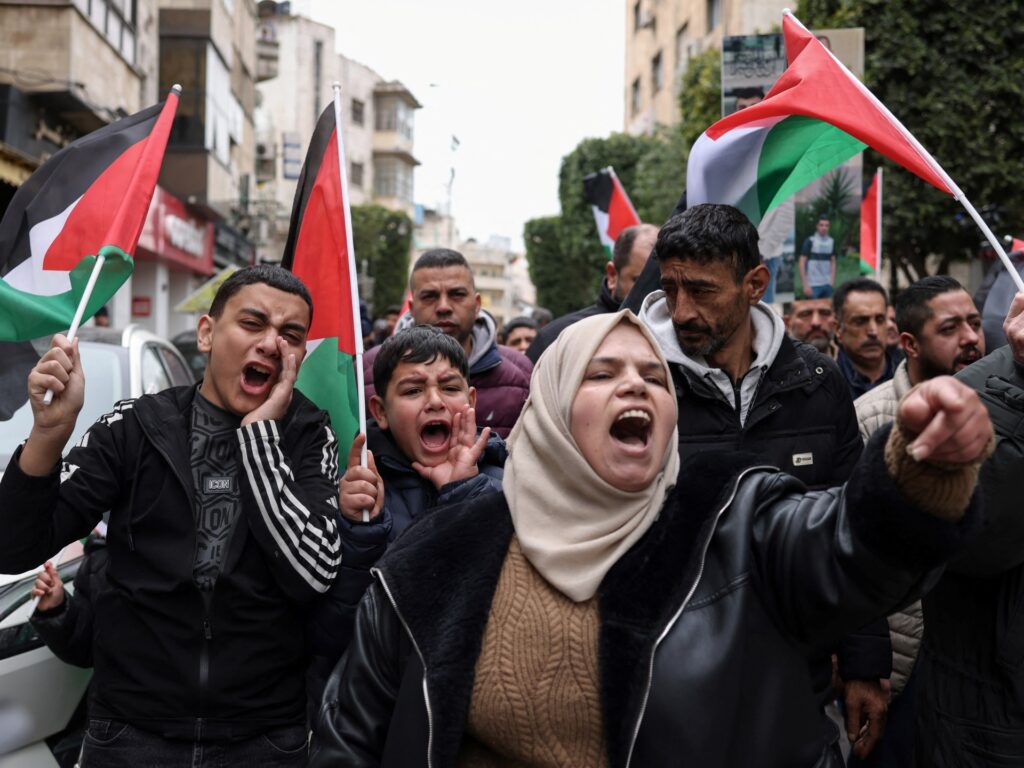
In the West Bank, a surge of protests erupted following the controversial introduction of a death penalty law. The law has sparked outrage and fear among Palestinians as well as human rights organizations, accusing it of exacerbating the cycle of violence and undermining prospects for peace. Demonstrators have taken to the streets in numerous towns and cities across the region, expressing their dissent and making urgent calls for justice and an end to occupation.
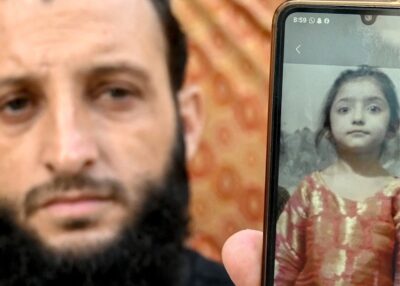
Amid the unrest in the West Bank, the Gaza Strip has witnessed a dangerous escalation in Israeli strikes. These airstrikes have targeted areas within Gaza, many of which are densely populated civilian neighborhoods. Tragically, children have been counted among the injured, and several civilians have lost their lives, raising serious humanitarian concerns. The international community has called for restraint and protection of civilians, highlighting the grave consequences of the ongoing conflict.
The escalating violence marks a concerning development in the Israeli-Palestinian conflict, with both sides facing heightened tensions and the risk of further deterioration. The death penalty law, viewed by many as a severe punitive measure, appears to be one of the catalysts for the recent protests. Meanwhile, the military strikes by Israel are portrayed as responses to security threats but have drawn widespread condemnation due to the collateral damage suffered by non-combatants.
Local authorities and international actors alike are urging for dialogue and peaceful resolution. Efforts to deescalate the situation have been complicated by deep-seated grievances and political divisions, yet the urgency of addressing humanitarian needs and preventing more loss of life remains paramount.
This week’s developments underscore the volatility of the situation in the Palestinian territories. For communities in the West Bank and Gaza, the cycle of protests and military action has brought hardship and instability, impacting daily life and future prospects for peace.
As the world watches, there is a growing push from advocacy groups and diplomatic channels to protect the rights and safety of civilians, particularly vulnerable populations such as children caught in conflict zones. The international community continues to emphasize the need for renewed negotiations, accountability, and measures that prioritize human rights and international law.
The coming weeks will be critical in shaping the trajectory of the conflict. With tensions running high and lives at stake, the pathway forward remains fraught with challenges but also vital for the possibility of lasting peace and security in the region.