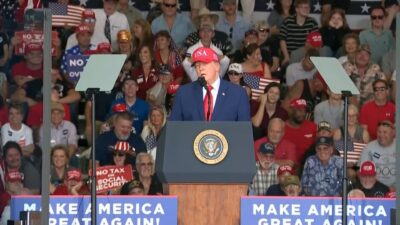
In recent developments, former U.S. President Donald Trump has reiterated threats to destroy critical infrastructure in Iran, a move that experts warn could severely destabilize the already volatile Middle East region. Analysts believe that any escalation of conflict initiated by Washington is likely to provoke retaliatory attacks from Tehran, creating a dangerous cycle of violence with no foreseeable resolution.
Trump’s aggressive rhetoric towards Iran has heightened tensions that have simmered for years over Iran’s nuclear program, regional influence, and relationships with surrogate militias. The former president’s warnings come amid ongoing concerns over Iran’s missile capabilities and nuclear ambitions, which have been a point of contention with the United States and its allies.
Experts emphasize that an attack on Iran’s infrastructure—such as power grids, transportation networks, or communication systems—could cripple the nation’s ability to function normally. Such a strike would not only disrupt daily life but also potentially escalate military confrontations across the region.
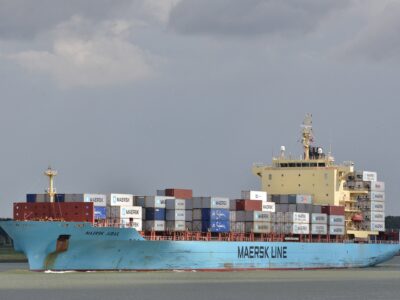
The ripple effects of such an action are expected to impact global oil markets significantly, given Iran’s strategic position along vital oil shipping routes, including the Strait of Hormuz. Any conflict escalation could threaten oil supply stability, driving prices higher and impacting economies worldwide.
Security scholars warn that Iran would likely respond with asymmetric warfare tactics, including missile strikes against U.S. forces in the region and their allies. Proxy groups allied with Tehran could also increase attacks on Western interests and partners, intensifying the conflict beyond direct state-to-state confrontation.
Regional stability remains precarious, with countries like Iraq, Syria, Lebanon, and Yemen already embroiled in complex conflicts involving Iranian-backed groups. Escalation in Iran could further inflame these situations, pulling more countries into conflict dynamics.
Diplomatic experts argue that dialogue and negotiation remain the best path forward, cautioning against actions that could shred existing agreements or undermine diplomatic channels. They underscore the importance of restraint and the pursuit of diplomatic solutions to avoid a broader regional war.
Public opinion within Iran is also a critical factor; attacks on national infrastructure would likely unite the Iranian population against the U.S., strengthening hardline positions and diminishing prospects for moderate reforms or outreach.
In conclusion, experts warn that Donald Trump’s threats to destroy Iran’s infrastructure present grave risks with no clear endpoint. Such actions could set off a chain reaction of violence and retaliation that destabilizes the Middle East further, disrupts global economic stability, and worsens humanitarian conditions in an already fragile region. The international community watches closely, hoping for de-escalation and the restoration of diplomatic efforts before conflict escalates further.