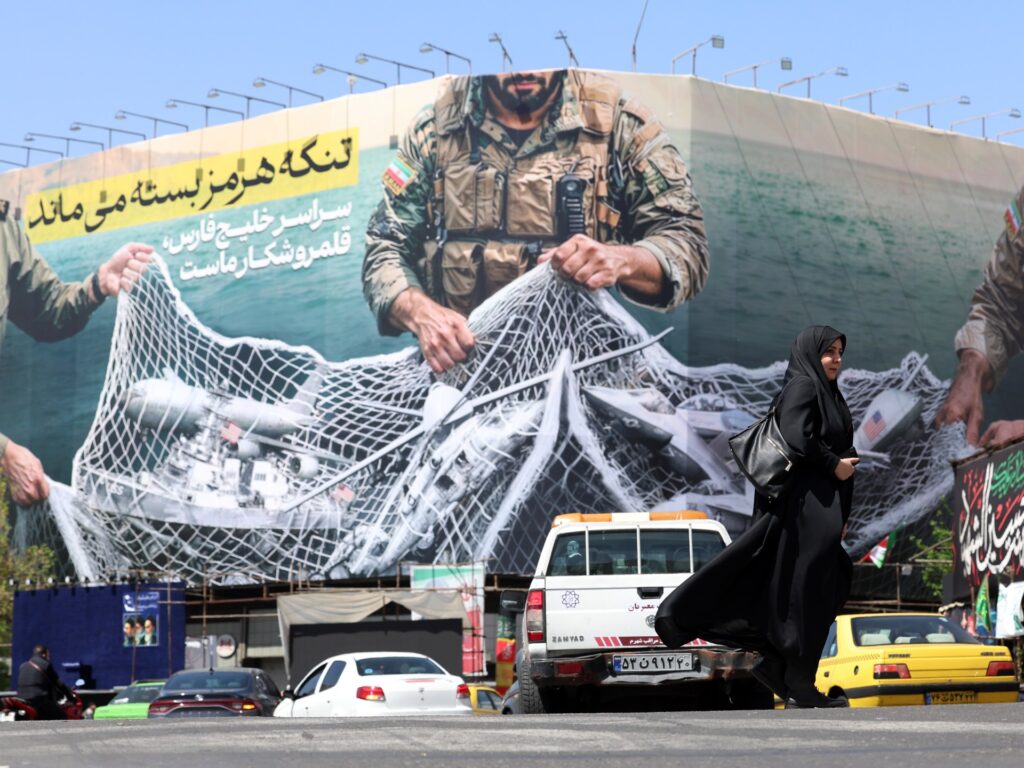
In a tense geopolitical standoff, US President Donald Trump has issued a stern warning to Iran regarding a looming deadline related to the ongoing conflict impacting the Strait of Hormuz, a critical maritime chokepoint. The president described the deadline as ‘final’, underscoring the urgency and seriousness of the situation. This development comes as Iran has put forward a new proposal aimed at ending hostilities, yet the US administration remains skeptical about the sufficiency of the offer.
The Strait of Hormuz is a strategic waterway through which a significant portion of the world’s petroleum passes, making its security vital not only for regional stakeholders but also for the global economy. Recent tensions have escalated with threats from Iran to disrupt this crucial channel, which would have severe repercussions on international trade and energy supplies.
President Trump emphasized that while the Iranian proposal marks a step towards dialogue, it falls short of assurances required to prevent potential attacks on critical infrastructure. The US demands a clear commitment from Iran to keep the strait open and safe for maritime passage, warning that failure to do so will result in firm actions.
Analysts note that this standoff highlights the increasingly complex dynamics in US-Iran relations, where diplomatic efforts are met with suspicion and hardline rhetoric from both sides. The Iranian proposal suggests willingness to negotiate, but the perceived gaps in the plan leave room for doubt about its effectiveness in deescalating the conflict.
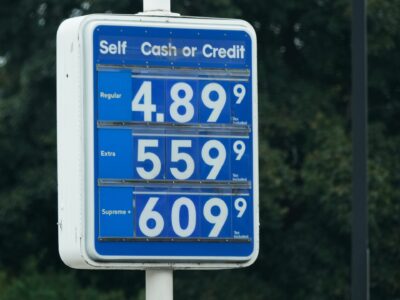
The international community watches closely as the deadline approaches. Any disruption in the Strait of Hormuz could trigger a dramatic surge in oil prices and intensify regional instability, prompting concerns across global markets.
This situation underscores the delicate balance of power and the challenges of achieving peace in a region fraught with historical grievances and strategic rivalries. President Trump’s firm stance and Iran’s diplomatic maneuvering set the stage for a critical juncture in Middle Eastern geopolitics.
As the deadline nears, global leaders call for restraint and constructive dialogue to ensure the vital shipping lanes remain open and secure. The world waits to see if Iran’s proposal can evolve into a sustainable solution or if heightened tensions will lead to further conflict and disruption.