As the conflict in the Middle East intensifies, Iran has announced that it has formulated a response to ceasefire proposals amidst increasing US and Israeli military actions. Tehran has categorically stated that there will be no direct talks amid the ongoing escalation. This declaration comes at a critical time as former US President Donald Trump’s deadline concerning the strategic Strait of Hormuz approaches.
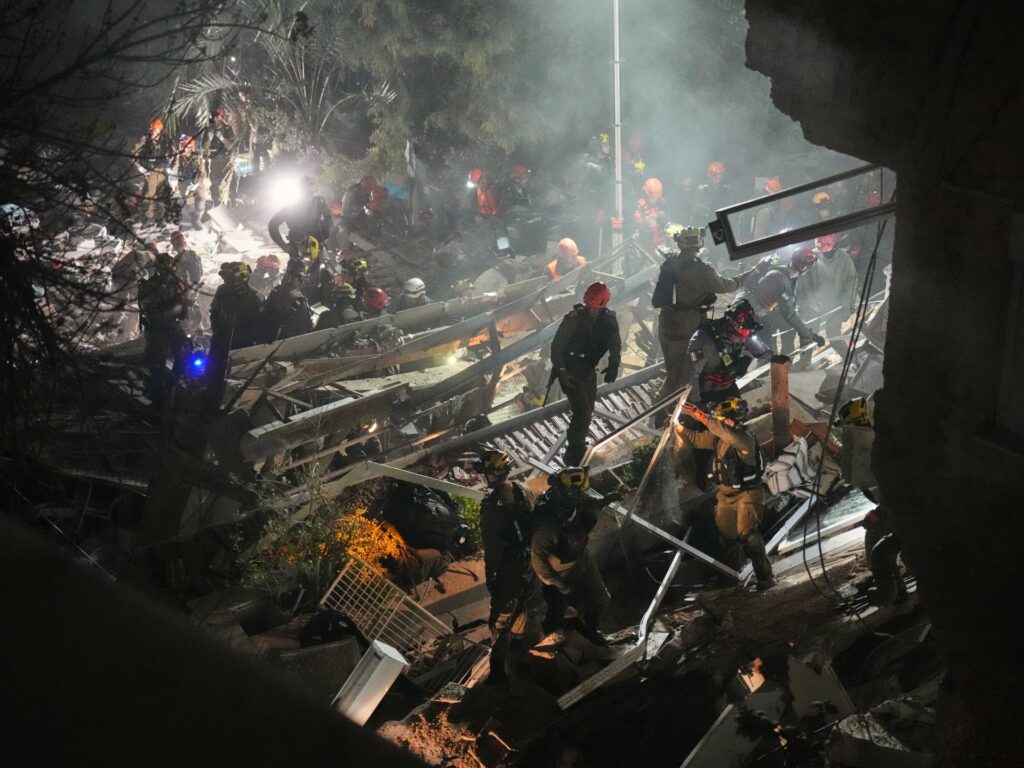
Recent days have seen heightened military activity in the region. The United States and Israel have increased their attacks, further destabilizing the already volatile situation. In this environment, Iran remains resolute in its position, refusing direct dialogue with its adversaries. Instead, Iran plans to communicate its stance through other diplomatic channels and international intermediaries.
The Strait of Hormuz, a crucial chokepoint for global oil shipments, is at the center of this tension. Trump’s deadline looms as a strategic point that could affect global energy markets and international security dynamics. Iran’s response to ceasefire efforts is therefore closely watched by global powers and the international community.
Iran’s approach reflects a complex geopolitical chess game involving multiple stakeholders including regional players and global superpowers. The refusal to engage in direct talks underscores Iran’s distrust towards the negotiating process with the US and Israel under current conditions.
This stand has major implications for peace efforts in the Middle East. The escalating attacks threaten to spark broader conflict, and the failure to engage in direct dialogue risks prolonged hostilities and increased human suffering.
International diplomatic efforts are now focused on de-escalation through indirect communication channels. Global powers are urging restraint and pushing for negotiations to prevent further deterioration of the situation.
As the Hormuz deadline nears, the world watches anxiously to see whether peace proposals can be accepted or if the conflict will intensify. The stakes are high not only for regional stability but also for the global economy and international security.
The situation remains fluid, with the potential for rapid changes on the ground. Observers stress the importance of continued dialogue, even if indirect, to avoid a full-blown war.
In conclusion, Iran’s response to ceasefire proposals in the midst of escalating US-Israeli military actions highlights the deep divisions and mistrust characterizing this conflict. The upcoming Hormuz deadline adds urgency to efforts to find a peaceful resolution, yet the lack of direct talks signals ongoing challenges ahead.
The world now faces a pivotal moment in the Middle East, where diplomatic ingenuity and international cooperation will be crucial to prevent further violence and promote lasting peace.