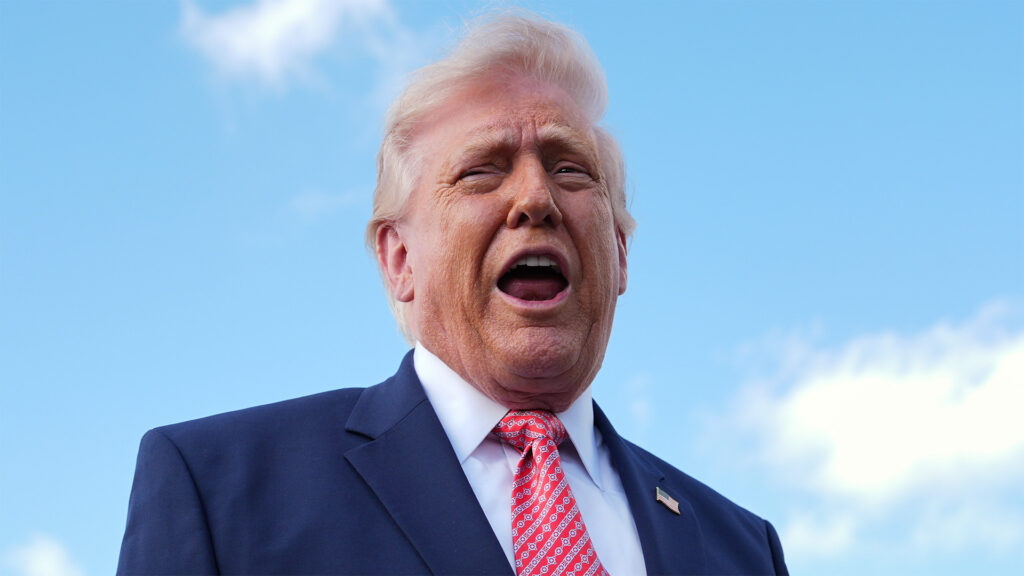
Former U.S. President Donald Trump has issued a forceful and expletive-laden threat against Iran’s leadership in a recent social media post. The message came as tensions escalated surrounding the reopening of the strategic Strait of Hormuz, a vital waterway for global oil shipments.
Trump’s post was marked by strong language and a firm ultimatum directed at Iranian officials. He warned Iran of serious consequences if they continued to obstruct passage through the strait, which had been previously closed or restricted amid heightened diplomatic conflicts.
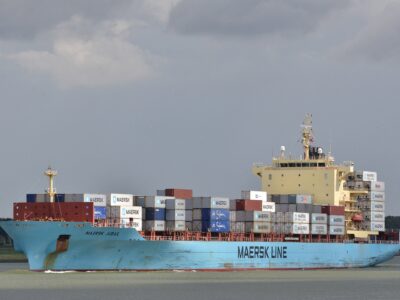
The Strait of Hormuz is crucial for the transport of oil from the Middle East to global markets, and any disruption there carries significant implications for energy prices and international trade security. Trump’s declaration appeared to be an effort to pressure Iran into reopening the strait promptly.
Political analysts note that Trump’s rhetoric reflects his characteristic combative communication style, especially on social media platforms, where his statements often amplify geopolitical tensions.
Iran has yet to respond officially to Trump’s latest message, but previous interactions have included both diplomatic negotiations and aggressive posturing. The situation remains fluid, with the international community closely monitoring developments to gauge potential impacts on regional stability and global energy supplies.
This episode adds to the complex relationship between the U.S. and Iran, which has been fraught with disputes over nuclear development, sanctions, and military confrontations. Trump’s social media outburst underscores the high stakes involved and the potential for rapid escalation if diplomatic solutions are not found.
Experts advise caution and continued dialogue to prevent further conflict in the region, emphasizing the importance of maintaining open sea lanes and avoiding provocations that could lead to armed conflict.
As the deadline for action approaches, global attention is firmly fixed on the Strait of Hormuz and the responses from both Iran and the United States. The outcome will have significant ramifications for international relations and the stability of the global oil market.