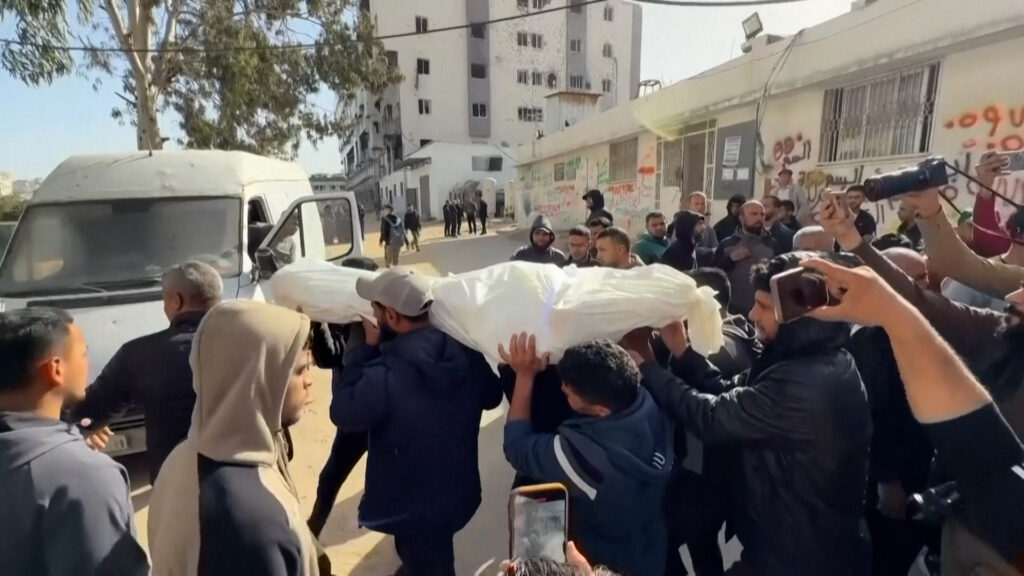
Israel has intensified its military operations in the region, continuing deadly attacks on Gaza while simultaneously conducting strikes in Iran and Lebanon. These coordinated actions have resulted in the deaths of at least four Palestinians on Sunday, marking a significant escalation in the ongoing conflict.
The recent attacks on Gaza have caused considerable destruction, with Israeli forces targeting various locations within the Gaza Strip. The violence has led to multiple casualties and widespread fear among the local population. Despite calls for restraint from international communities, Israel has maintained its aggressive stance, citing security concerns and the need to respond to perceived threats from militant groups operating in the area.
In addition to the Gaza strikes, Israel’s military actions have extended beyond its immediate borders. Airstrikes on targets in Lebanon and Iran demonstrate an expanded scope of Israeli operations aimed at dismantling militant infrastructures and preventing attacks against Israeli territory. These operations underscore the complex security challenges faced by Israel in the region.
The deaths of at least four Palestinians on Sunday highlight the human cost of the escalating violence. Civilians are often caught in the crossfire, enduring the harsh realities of the conflict that spans multiple territories. Human rights organizations have expressed deep concern over the rising number of casualties and the impact on non-combatants.
Analysts suggest that the recent spike in violence could further destabilize the already volatile Middle East region. The involvement of multiple countries and the cross-border nature of the attacks complicate diplomatic efforts aimed at achieving a ceasefire and long-term peace.
Israel’s government has defended the operations, emphasizing the necessity to protect its citizens from attacks and to weaken hostile militant groups. However, critics argue that the heightened military response risks escalating the conflict and causing more civilian suffering.
International reactions have been mixed, with some countries condemning the attacks and urging restraint, while others express support for Israel’s right to defend itself. The United Nations and various global organizations have called for immediate de-escalation and dialogue to prevent further loss of life.
The ongoing conflict has disrupted daily life for many in Gaza, Lebanon, and surrounding areas. Infrastructure damage, displacement, and interruptions to essential services exacerbate the humanitarian crisis already present due to years of conflict.
Efforts to mediate the situation continue, with regional and international actors attempting to broker a ceasefire and address the underlying issues fueling the conflict. The situation remains fluid, with the potential for further flare-ups and complications.
As the violence persists, the international community faces increasing pressure to intervene diplomatically and support measures that promote stability and peace in the Middle East. The coming days will be critical in determining whether the region can move towards de-escalation or if the current conflict will intensify further.