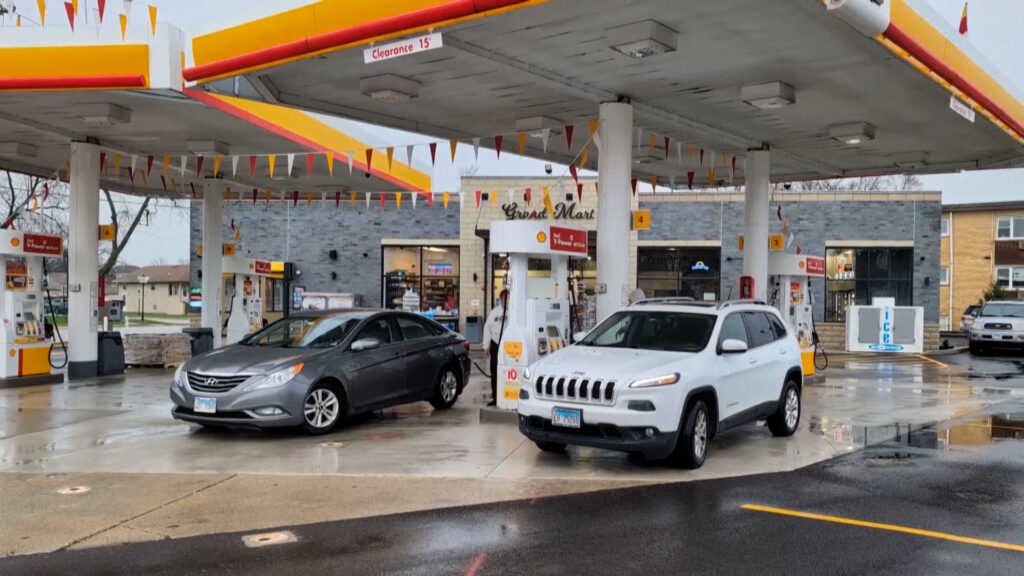
In recent weeks, drivers across the United States have been seen lining up for free gasoline, particularly in major cities like Chicago. This surge in demand for free fuel comes against the backdrop of soaring gas prices nationwide, which have sparked frustration and concern among everyday Americans.
Experts and consumers alike attribute the rising prices to geopolitical tensions surrounding the ongoing conflict involving the US, Israel, and Iran. The escalation of hostilities in the Middle East has sent shockwaves through global oil markets, provoking fears of supply disruptions that have driven up the cost of crude oil and, by extension, gasoline prices.
The crisis has had a pronounced impact on average consumers who rely heavily on gasoline for commuting, work, and daily activities. In Chicago, free gas stations have seen unprecedented lines as drivers seek relief from the financial strain caused by rising fuel costs. Many participants in these queues openly express frustration and blame former President Donald Trump, reflecting a broader discourse that ties current economic pressures to past and present political decisions regarding foreign policy and energy independence.
Analysts point out that while multiple factors influence fuel prices—such as refinery output, global demand, and domestic policies—the geopolitical conflict remains a dominant driver of recent spikes. The US and its allies’ stance on Iran has led to increased sanctions and military postures that have diminished the reliability of oil supplies from the Middle East, one of the world’s main oil-producing regions.
Furthermore, the volatility in oil prices exacerbates concerns over inflation and economic stability at a time when many Americans are still recovering from pandemic-related hardships. The increased cost of transportation and goods threatens to compound the economic challenges faced by households nationwide.
Local governments and energy providers have responded with initiatives to offer free or discounted gasoline in efforts to alleviate the immediate burden on consumers. Community-driven efforts and charitable organizations have also played a role in providing fuel assistance, aiming to support vulnerable populations affected the most by the crisis.
However, the situation remains fluid as geopolitical developments continue to unfold. The international community closely watches diplomatic efforts aimed at de-escalating tensions and restoring stability to global energy markets. Until a resolution is reached, many Americans can expect fluctuating and high gasoline prices to persist.
In summary, the surge in gasoline prices fueled by the US-Israeli conflict with Iran has triggered a wave of public reactions ranging from seeking free gasoline to political blame. The economic and social reverberations of this crisis underscore the interconnected nature of global geopolitics and everyday consumer realities, highlighting the importance of diplomatic resolution and strategic energy policy moving forward.