As tensions escalate in the ongoing conflict involving Iran, recent developments reveal that at least 30 universities have been impacted by coordinated strikes carried out by the United States and Israel. These attacks target critical infrastructure within Iran, escalating the already volatile situation in the region.
Since the start of the war, the combined efforts of US and Israeli forces have focused on weakening Iran’s strategic capabilities. This has involved precision strikes on various military and technological assets believed to support Iran’s operational capacities. Among the targets, academic institutions have emerged as unintended or collateral impacts of these attacks.
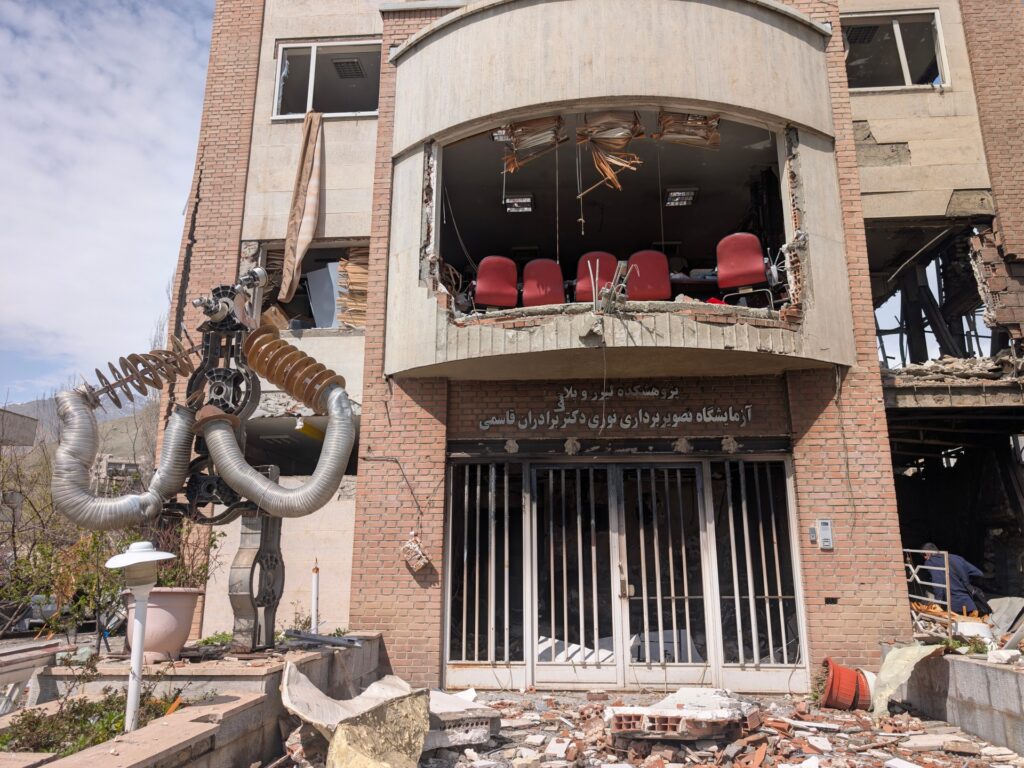
Reports indicate that multiple universities have suffered damage to their facilities, disrupting educational activities and research programs. These institutions, known for their contributions to science, technology, and engineering, are pivotal not only to Iran’s civilian education system but also to its broader technological advancements.
The strikes have led to significant concern among international observers regarding the potential long-term damage to Iran’s academic infrastructure and intellectual capital. University campuses normally serve as centers of innovation and learning, and the destruction caused may hinder progress in various fields including medicine, engineering, and information technology.
Government authorities in Iran have condemned the attacks, labeling them as unjustified acts of aggression against their civilian infrastructure. The Iranian government has vowed to respond decisively to protect its sovereignty and defend its national institutions from further damage.
On the other hand, officials from the US and Israel have stated that these strikes are part of a broader strategy to dismantle Iran’s ability to sustain its military operations. They argue that some university facilities are suspected of being linked to military research or dual-use technologies that contribute to Iran’s defense programs.
Experts in international relations and conflict studies note that the involvement of academic institutions in such conflicts raises complicated ethical and legal questions. The distinction between civilian and military targets is critical under international law, and the use of force must adhere to principles of proportionality and necessity.
The impact on students and faculty at the affected universities has been profound. Many have faced displacement due to damage to campus housing and facilities. Academic schedules have been disrupted, and research initiatives have been put on hold, creating uncertainty for the future of higher education in the region.
In response, some international academic communities have expressed solidarity with the affected institutions. Initiatives to provide remote learning support and collaboration opportunities are underway to help mitigate the consequences of the conflict on education.
Meanwhile, the conflict continues to evolve, with no immediate end in sight. The targeting of infrastructure, including universities, illustrates the complex and multifaceted nature of modern conflicts where civilian sectors often become entwined with military objectives.
As the situation develops, the global community watches closely, emphasizing the need for diplomatic solutions that prioritize the protection of civilian lives and key societal institutions such as universities. The destruction of educational infrastructure represents not only a loss for the current generation but also poses risks for future scientific progress and stability in the region.
In summary, the recent US and Israeli strikes against Iran’s infrastructure have extended their impact to at least 30 universities, causing widespread disruption and raising significant humanitarian and legal concerns. The international response highlights the delicate balance between security operations and the protection of civilian institutions during times of conflict.