In a recent and alarming development, a major psychiatric hospital in Tehran has ceased operations following a strike attributed to US-Israeli forces. The hospital chief confirmed that the facility is currently no longer usable, raising serious concerns about the impact on mental health services in the region.
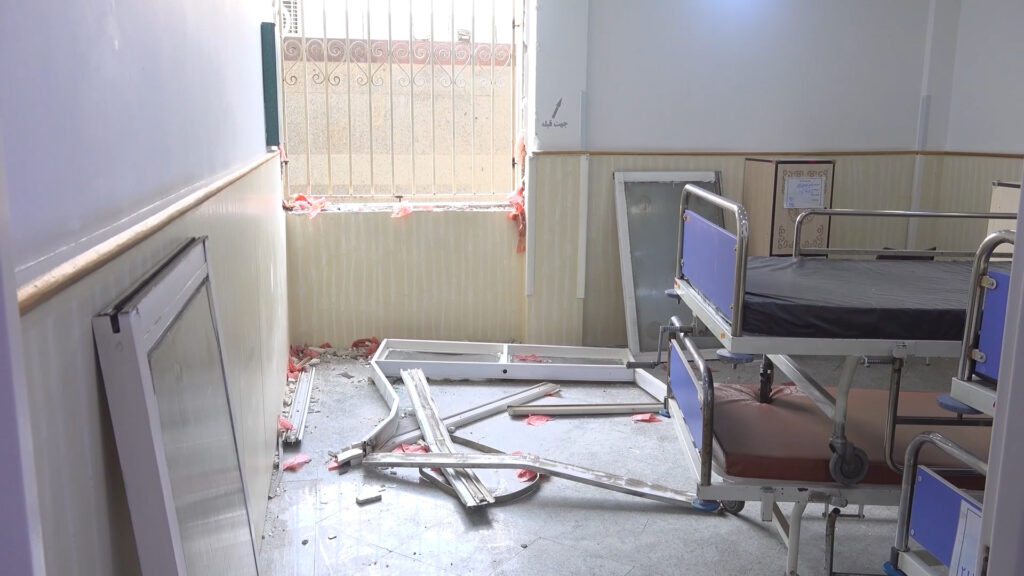
The psychiatric hospital, which has been a critical institution for providing mental health care and support to thousands of patients, reportedly suffered significant damage during the strike. Details remain sparse regarding the extent of the destruction or any casualties that might have occurred.
This event underscores the ongoing geopolitical tensions and their direct effects on civilian infrastructure in conflict zones. The strike on such a vital healthcare facility is expected to exacerbate the challenges faced by mental health patients and healthcare providers in Tehran and beyond.
Healthcare officials and humanitarian organizations have expressed deep concern about the interruption of psychiatric services. They emphasize that psychiatric hospitals are essential for treating mental illnesses, providing therapy, and supporting vulnerable populations, especially in regions already experiencing heightened stress due to political and military instability.
The hospital’s closure will likely lead to increased pressure on remaining medical facilities and professionals, who are already coping with limited resources and an increased patient load. Mental health advocates warn that the disruption could have long-term consequences for individuals suffering from mental health disorders.
International response to the strike is anticipated, with calls for investigation and accountability. Observers point out that the targeting of healthcare infrastructure violates international humanitarian law and could amount to a serious breach of medical neutrality.
The incident adds to a growing list of attacks on civilian infrastructure in the Middle East, highlighting the devastating human toll of ongoing conflicts. Both local authorities and international organizations are urged to work towards protecting essential health services and ensuring that the needs of the population are met despite the conflict.
Residents and patients reliant on the hospital’s services now face uncertainty about where they can receive necessary care. Many have expressed feelings of fear and despair, compounded by the loss of a crucial support system during an already difficult time.
Efforts to rebuild or reopen the psychiatric hospital will require cooperation and support from both local government and international partners. The rehabilitation of mental health services is vital not only for patient welfare but also for community resilience and stability.
This incident is a stark reminder of the vulnerability of healthcare institutions in war zones and the critical importance of safeguarding such facilities to protect public health and human rights. As the situation develops, the international community is watching closely, emphasizing the urgent need for peace and respect for humanitarian principles in the region.