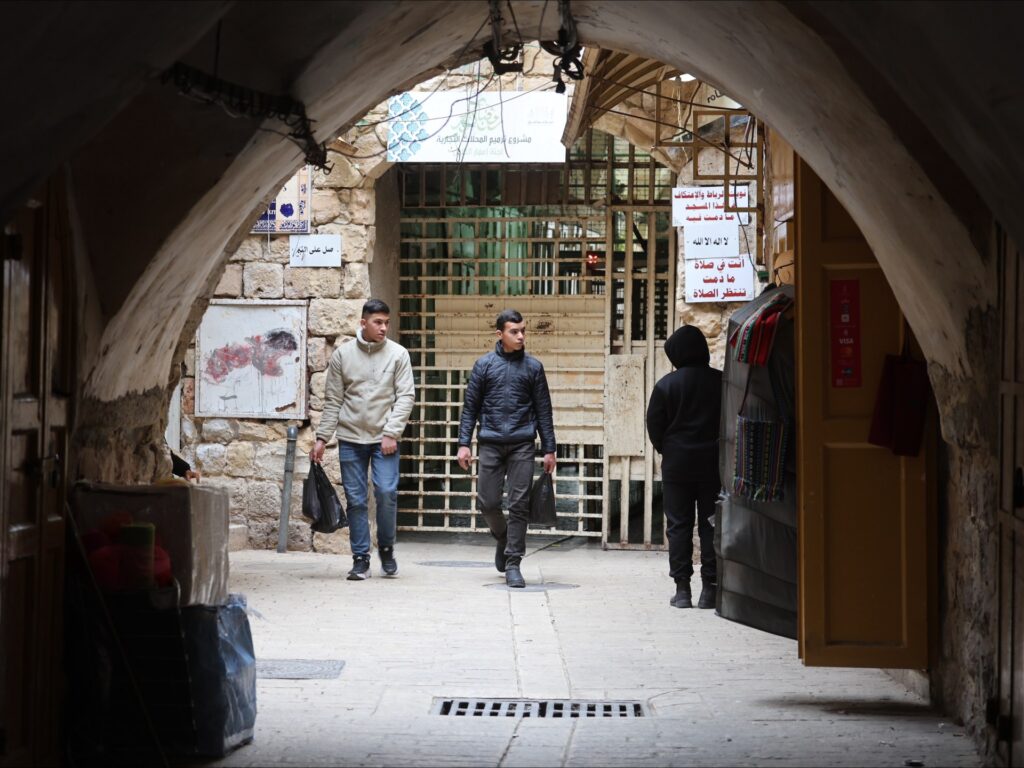
The Ibrahimi Mosque in Hebron has recently come under intensified Israeli control, marking a significant tightening of measures in this historically and religiously sensitive site. This move aligns the protocols and restrictions imposed on the mosque more closely with those currently enforced at Jerusalem’s Al-Aqsa Mosque, a place that has long been a focal point of Israeli-Palestinian tensions.
Hebron, located in the West Bank, is a city of considerable religious importance and political sensitivity. The Ibrahimi Mosque, also known as the Cave of the Patriarchs, is a revered site sacred to both Muslims and Jews and has been at the center of conflict and control disputes for decades.
The recent intensified Israeli measures reportedly include stricter access controls, enhanced surveillance, and the presence of more security personnel. These measures resemble those applied to the Al-Aqsa Mosque, which has been subjected to heavy Israeli security oversight particularly amid frequent tensions and clashes.
Local sources and activists have expressed concern that these additional restrictions could further escalate tensions between Israelis and Palestinians in Hebron. The mosque has historically been a flashpoint, and the increased presence of Israeli security forces may lead to more confrontations.
Israeli authorities justify the enhanced security measures as necessary to maintain order and prevent violence. They cite previous incidents of unrest and attacks as rationale for the more stringent policies.
However, critics argue that the tightening grip on the Ibrahimi Mosque undermines Palestinians’ access to their places of worship and infringes on their religious rights. The comparison to Al-Aqsa Mosque’s situation is seen as indicative of a pattern that could deepen divisions and hinder efforts towards peace and coexistence.
The Ibrahimi Mosque has long been divided between Jewish and Muslim worshippers following the 1994 massacre when Israeli settler Baruch Goldstein killed 29 Muslim worshippers inside the mosque. Since then, the site has been under a dual administrative setup, which itself has been a source of ongoing dispute.
Scholars and observers note that the new Israeli measures represent a continuation of longstanding policies aimed at asserting greater control over religious sites in the West Bank, often at the expense of Palestinian access and autonomy.
This development raises questions about the future dynamics in Hebron, a city emblematic of the broader Israeli-Palestinian conflict. The reinforced security approach could create an atmosphere of heightened tension and suspicion, impacting the daily lives of residents and worshippers.
International reactions have been mixed, with some countries and organizations calling for restraint and urging both sides to respect religious freedom and human rights.
The situation illustrates the complex balancing act required to manage sites of profound religious significance while navigating the charged political landscape.
As the Israeli authorities continue to implement these tighter controls, the possibility of increased friction remains high. The Ibrahimi Mosque situation will likely remain a barometer for broader tensions in Hebron and the West Bank, symbolizing the ongoing struggle for control, rights, and security in the region.
Observers continue to monitor the developments closely, emphasizing the need for dialogue and peaceful resolution to prevent further escalation and to preserve the sanctity of this historic religious site.