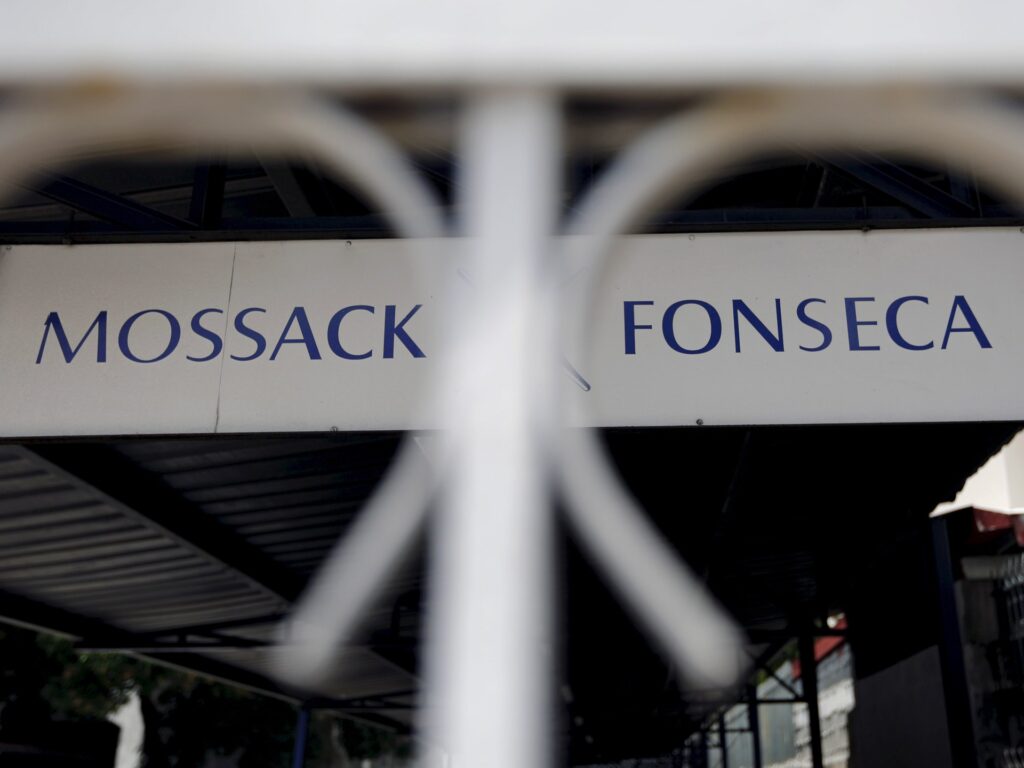
In April 2016, the world was shaken by the release of the Panama Papers, a staggering leak of more than 11.5 million confidential documents from the Panamanian law firm Mossack Fonseca. This leak is remembered as one of the biggest data disclosures in history, revealing extensive details on how wealthy individuals, including prominent politicians, business leaders, and celebrities, utilized offshore entities to shield wealth and avoid taxes.
The documents exposed a global web of secretive offshore accounts and shell companies, shedding light on financial practices that often skirted the boundaries of legality. The revelations unearthed mechanisms of tax avoidance, money laundering, and illicit financial flows, implicating numerous influential figures across dozens of countries.
Key revelations included the use of offshore companies to hide assets, launder money, and obscure ownership, thereby undermining transparency and facilitating corruption on an unprecedented scale. Many politicians and public officials found themselves under scrutiny due to their links to these schemes, triggering investigations and political fallout.
The global response was swift and multifaceted. Governments launched inquiries and tightened regulations concerning offshore finance, tax evasion, and transparency. Several jurisdictions increased cooperation on financial crimes, pushing for stricter know-your-customer (KYC) and anti-money laundering (AML) protocols. International organizations advocated for enhanced financial oversight and exchange of information among nations.
Despite these efforts, the question remains: did the Panama Papers lead to substantial change? While some high-profile prosecutions and resignations occurred, critics argue that the fundamental structures enabling offshore secrecy persist. Financial innovation and loopholes continue to permit complex methods of wealth concealment.
Nonetheless, the Panama Papers catalyzed a greater public awareness about global inequality and the shadowy practices of tax havens. They empowered investigative journalism, strengthened demand for accountability, and inspired similar leaks, such as the Paradise Papers and Pandora Papers, which further unveiled the complexities of global finance.
In sum, ten years since the Panama Papers leak, the revelations continue to resonate worldwide. The leak underscored the critical need for transparency, reform, and international cooperation to combat illicit financial activities. While progress has been made, ongoing vigilance and stronger frameworks are essential to ensure that the offshore financial system is fairer and more accountable for all.