The recent surge in US-Israeli attacks targeting various Iranian interests marks a significant chapter in the ongoing geopolitical conflict in the Middle East. These attacks, which range from cyber operations to direct military strikes, have had a multifaceted impact on Iran’s economy — a nation already grappling with the effects of international sanctions and internal challenges.
Over the years, Iran’s economy has been a focal point of tension between Tehran and Western powers, particularly the United States and Israel. The attacks are seen as a strategic effort to curb Iran’s regional influence, nuclear ambitions, and military capabilities. However, beyond the immediate military and political consequences, these actions have severely disrupted economic stability inside Iran.
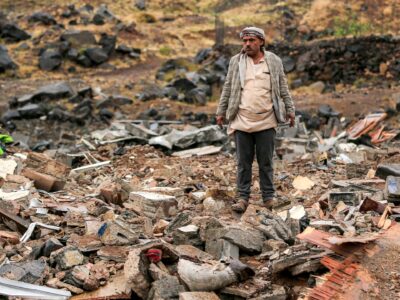
One of the primary economic veins affected has been Iran’s energy sector. Attacks on oil facilities and pipelines have temporarily crippled production and export capacity, essential sources of revenue for the country’s economy. This disruption leads to losses in national income and damages investor confidence, which is critical for any economic growth.
Moreover, the persistent threat of attacks has expedited the flight of foreign investors and heightened Tehran’s economic isolation. International companies hesitant about security risks are less inclined to engage in business partnerships with Iranian firms, particularly in sectors like oil and gas, technology, and infrastructure.
The economic ramifications extend further into Iran’s currency valuation and inflation rates. With increased sanctions and the ongoing military pressure, the Iranian rial has witnessed significant depreciation. Inflation spikes have made daily life more expensive for ordinary citizens, exacerbating social dissatisfaction and economic hardships.
Additionally, these attacks have prompted Iran to divert substantial financial resources towards military spending and defensive measures. This reallocation often comes at the expense of public services and economic development projects, undermining long-term prosperity.
Iran’s trade routes and logistics networks have also been targeted, complicating the import and export processes crucial to sustaining its economy. The disruption of maritime routes, particularly in the Gulf region, has heightened global shipping insurance costs and logistical expenses, further straining Iran’s trade capabilities.
Despite these challenges, Iran has sought to counterbalance the impact by strengthening economic ties with non-Western countries and pursuing self-reliant strategies. These include boosting local production and enhancing regional alliances to circumvent sanctions and economic blockades.
In conclusion, the US-Israeli attacks on Iran extend beyond immediate military confrontations, inflicting profound economic consequences. From crippling vital energy infrastructure and deterring foreign investment to destabilizing currency value and increasing inflation, these actions have compounded Iran’s existing economic struggles. The long-term impacts will depend largely on the geopolitical developments, regional security dynamics, and Iran’s capacity to adapt to a hostile economic environment.