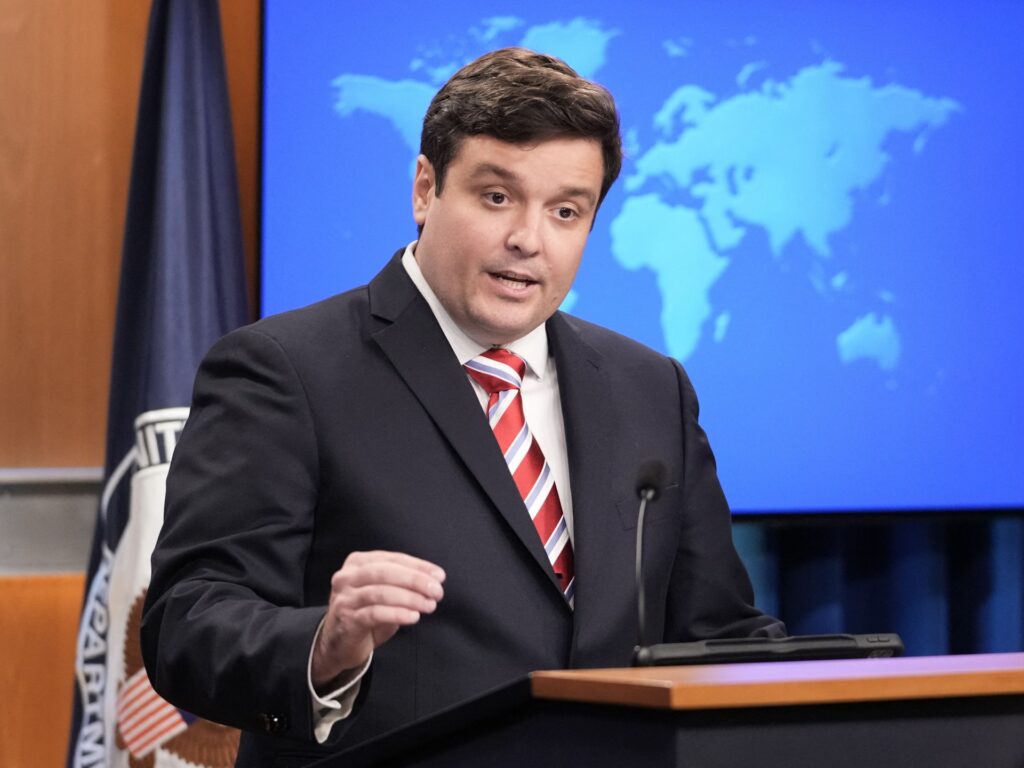
As the conflict in the Middle East intensifies, the United States has reiterated former President Donald Trump’s openness to diplomatic talks with Iran, aiming to ease tensions. Meanwhile, the US State Department has accused Iran of targeting civilian sites, raising concerns over escalations that could further destabilize the region.
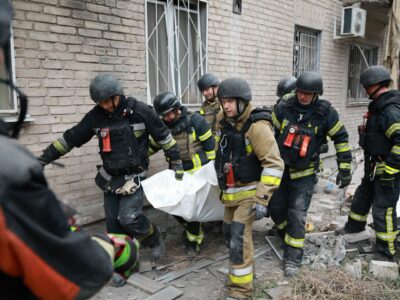
The backdrop to these developments is a series of violent confrontations and strategic strikes that have marked recent months. The State Department’s allegations point to Iran’s involvement in attacks directed at non-military locations, which has attracted widespread international condemnation and calls for restraint.
In response to these tensions, Donald Trump shared footage purportedly showing the destruction of an Iranian bridge, highlighting the ongoing military engagements and signaling a hardline stance against Iranian actions. This media sharing underscores the complexity of the US approach, which balances military readiness with an expressed willingness for dialogue.
Such dynamics reveal a dual strategy often employed in conflict scenarios, where diplomatic openings coexist with strategic military pressures aiming to bring adversaries to the negotiating table. Trump’s readiness for diplomacy contrasts with aggressive military posturing, reflecting the broader challenges in US-Iran relations.
The United States government has stressed that while military responses are necessary to protect its interests and allies, diplomatic channels remain a vital avenue for resolving disputes peacefully. This approach seeks to prevent further loss of life and promote stability in a region historically fraught with geopolitical strife.
Analysts suggest that President Trump’s diplomatic openness could pave the way for renewed negotiations if Iran demonstrates a commitment to de-escalation. However, the accusations of attacks on civilian sites complicate the prospects for immediate talks, as they heighten mistrust between the parties involved.
Regional and global powers watch closely, aware that sustained conflict could have far-reaching consequences beyond the Middle East. Energy supplies, trade routes, and international security frameworks could all be impacted by escalating hostilities.
Humanitarian concerns also remain paramount, as civilian populations bear the brunt of the conflict’s devastation. The international community continues to advocate for measures that protect non-combatants and facilitate access to aid.
In conclusion, the evolving situation marks a critical juncture in US-Iran relations. While military actions and accusations intensify, the window for diplomatic engagement, as indicated by Donald Trump, remains open. The coming weeks and months will be pivotal in determining whether dialogue can overshadow conflict or if tensions will spiral into broader confrontation.