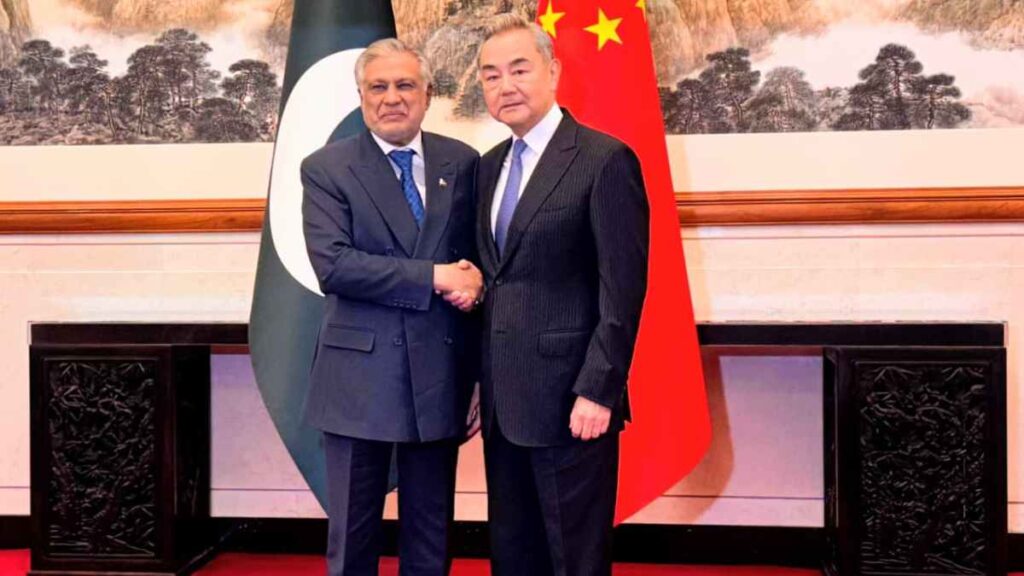
Recent developments in diplomatic efforts to ease tensions between the United States and Iran have spotlighted Pakistan’s active role. Pakistan’s Deputy Prime Minister Ishaq Dar embarked on a significant visit to China amid Islamabad’s initiative to broker peace talks between the two nations. The visit underscores Islamabad’s intent to bring influential regional powers into a collective effort for dialogue and reconciliation.
China’s involvement or support in these mediation efforts could be a pivotal factor given its geopolitical influence and strategic alliances, especially within Asia where both Pakistan and Iran hold significant importance. Since longstanding partnerships exist between China and Pakistan, including economic and security collaborations under frameworks like the China-Pakistan Economic Corridor (CPEC), diplomatic coordination is both practical and strategic.
The Deputy PM’s visit aims to discuss collaborative approaches towards peace and gather China’s backing or active participation in facilitating dialogue. Beijing’s approach towards the US-Iran conflict has traditionally been measured, favoring stability and open channels for diplomacy to safeguard its interests in the region, including energy security and influence expansion.
Pakistan’s momentum in taking a mediator role fits within its broader foreign policy ambitions to enhance its regional stature and project an image as a responsible diplomatic actor. It also serves to strengthen ties with China by seeking its support in critical global matters.
While there is no official confirmation that China has agreed to lead or co-lead the mediation, Islamabad’s efforts reflect a strategic attempt to leverage multilateral cooperation. This approach could help de-escalate tensions, promote dialogue, and perhaps pave the way for resumed negotiations.
Experts note that China’s participation could improve the credibility and effectiveness of the peace efforts, given its track record in regional diplomacy and economic leverage over Iran.
This development comes at a time when international actors are seeking peaceful solutions to one of the most enduring conflicts in modern geopolitics. The success of Pakistan’s initiative and China’s potential role remains to be seen but signals an evolving diplomatic landscape where Asian players increasingly influence global peace processes.
In conclusion, while China has yet to formally commit to Pakistan-led mediation in the US-Iran peace process, the ongoing dialogues and strategic visits suggest a growing openness to participate. The evolving situation reflects a complex interplay of regional alliances, geopolitical ambitions, and a shared interest in stabilizing a fraught international relationship.