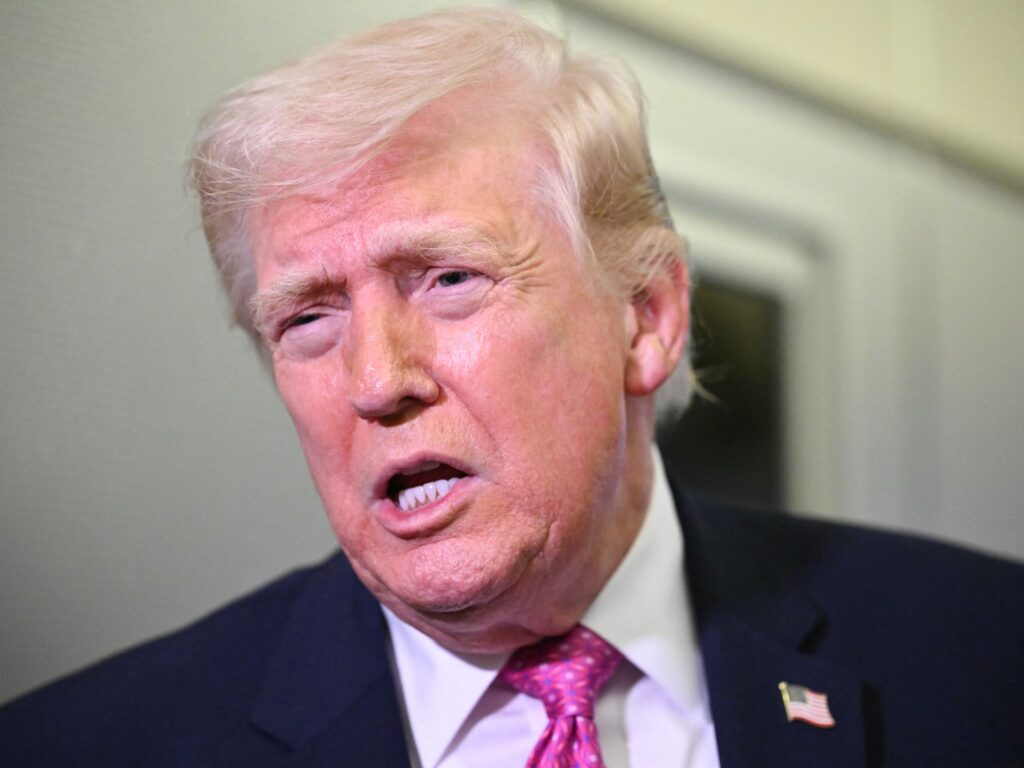
In a dramatic escalation of tensions in the Middle East, the Trump administration has deployed US Marines in preparation for a possible takeover of Iran’s key oil export hub. This move has ignited widespread controversy and debates both domestically and internationally. The administration, driven by strategic interests in controlling vital energy resources, views the seizure of Iran’s oil infrastructure as crucial to maintaining US influence in a volatile region. President Trump, in public statements, dismissed critics who oppose this strategy, labeling them as “stupid people,” signaling a hardline stance against dissent within the US political landscape.
The deployment of Marines to the region comes amid rising geopolitical instability and ongoing conflicts that have long plagued US-Iran relations. Iran’s oil export facilities, particularly in the Persian Gulf, represent a significant choke point in the global energy supply chain. Control over these assets would not only disrupt Iran’s economy but also potentially provide the US with leverage over global oil markets.
Critics of the administration’s plan warn that any direct military action could lead to a full-scale conflict, destabilizing the Middle East further and risking global economic repercussions. They emphasize the potential for a protracted war after such an invasion, including widespread loss of life and damage to critical infrastructure.
Military experts point out the complexity involved in executing such an operation, given Iran’s already fortified defenses and the presence of numerous allied militias in the region. The challenges of urban combat in oil facilities and the potential environmental hazards pose additional risks.
International responses have been mixed. Allies of the US have expressed concern about the potential for escalating violence, while some adversaries have condemned the move as imperialist aggression. Diplomatic efforts continue to seek alternative solutions to reduce tensions and avoid conflict.
Within the US, the plan has sparked heated debates in Congress and among the public. Political opponents accuse the Trump administration of recklessness and warn that the rush to military confrontation undermines diplomatic channels and long-term US interests.
Supporters, however, argue that decisive action is necessary to counter Iran’s influence and secure America’s energy future. They highlight the potential benefits of controlling the oil export hub, including weakening Iran’s capacity to fund hostile activities and securing critical resources for the US and its allies.
In response to the criticism, President Trump has doubled down on his rhetoric, emphasizing strength and resolve and painting opposition voices as uninformed or lacking patriotism. This approach has further polarized an already divided political environment.
As the situation develops, the international community watches closely, hoping for a peaceful resolution but preparing for possible military conflict. The deployment of US Marines to the region marks a significant moment in US foreign policy, reflecting a shift towards more aggressive tactics in dealing with Iran and highlighting the enduring importance of energy resources in global geopolitics.
This unfolding chapter in US-Iran relations is likely to shape geopolitical alignments, energy markets, and international diplomacy for years to come. The stakes remain high, and the world waits anxiously to see if diplomacy can prevail or if the threat of war will become reality.