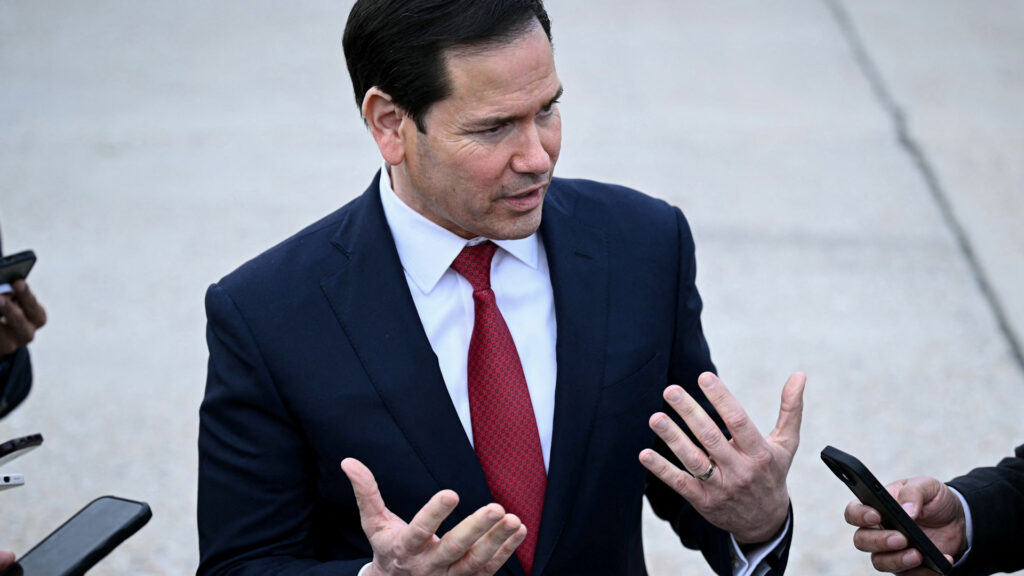
In a recent statement, Secretary of State Marco Rubio emphasized the critical importance of dismantling Iran’s missile capabilities to achieve lasting stability in the Middle East. Rubio asserted that Iran’s missile arsenal poses a significant threat to the security of the region, stating, “We have to destroy Iran’s ability to launch missiles.”
Rubio’s comments highlight ongoing concerns within the United States and its allies about Iran’s growing military capabilities. Iranian missile programs have long been viewed as a destabilizing factor, enabling the regime to project power and influence throughout the Middle East.
The United States has repeatedly argued that Iran’s missile developments undermine diplomatic efforts and exacerbate tensions with neighboring countries. Rubio’s statement reiterates a hardline stance that military measures, specifically targeting the missile infrastructure, are essential to curbing Iran’s aggressive posture.
The call to eliminate Iran’s missile launch capabilities comes amid heightened regional tensions and complex diplomatic negotiations surrounding Iran’s nuclear ambitions and regional activities. The move aims to curtail Iran’s ability to threaten U.S. allies like Israel, Saudi Arabia, and other Gulf states.
Rubio’s strategic framework suggests a multi-faceted approach, combining economic sanctions, diplomatic pressure, and, if necessary, military action to dismantle missile sites and prevent further advancements.
Experts in international security view such proposals as pivotal moments in shaping the future of Middle Eastern geopolitics. They emphasize that any successful strategy must balance forceful deterrence with ongoing diplomatic engagement to avoid escalating conflicts.
Moreover, destroying Iran’s missile capabilities would shift the regional power dynamics, potentially reducing the influence of proxy groups supported by Iran throughout the region.
Rubio’s declaration also echoes broader U.S. policy objectives that prioritize preventing proliferation of missile technology and ensuring the security of key partners in the region.
As discussions continue, the global community watches closely to see how the U.S. and its allies will respond to these security challenges and whether Iran will face increased restrictions or pressures to modify its missile programs.
In conclusion, Secretary of State Marco Rubio’s call to dismantle Iran’s missile capabilities underscores the ongoing struggle to manage regional security threats and the complexities involved in balancing military readiness with diplomatic efforts. The outcome of these initiatives will have profound implications for peace and stability in the Middle East and beyond.