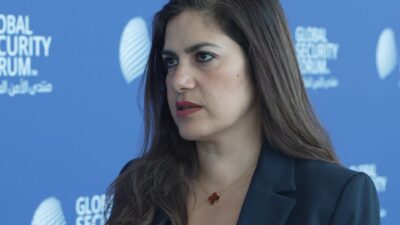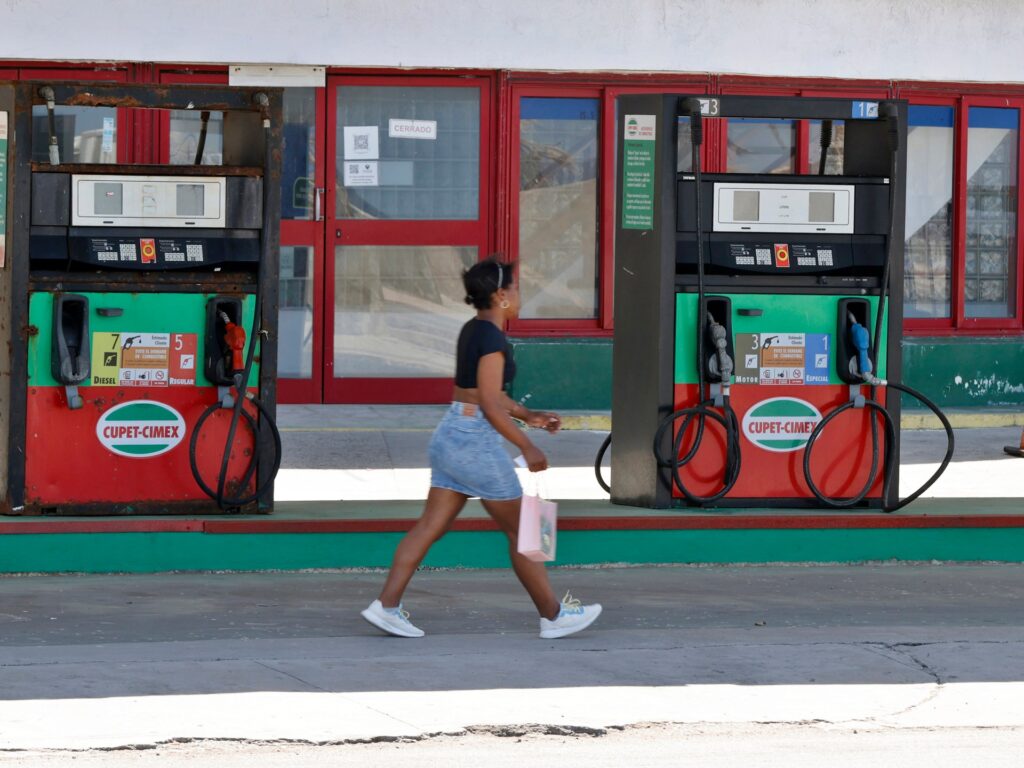
In an exclusive interview with Al Jazeera, US Secretary of State Marco Rubio addressed recent tensions surrounding the ongoing fuel crisis in Cuba, firmly denying that the United States’ role in the matter is punitive. Despite widespread criticism and accusations that US sanctions have contributed significantly to Cuba’s economic hardships, Rubio asserted that the challenges faced by the island nation are primarily due to the Cuban government’s own policies and failures.
Rubio emphasized that the US sanctions are not intended as a punitive measure but rather as a response to Cuba’s political decisions, which he characterized as detrimental to the Cuban people. He argued that the Cuban government’s mismanagement and prioritization of political control over economic stability have led to the shortages and crises seen on the island.
The Secretary of State specifically downplayed the impact of US sanctions on Cuba’s fuel supply issues, suggesting that the economic failures stem from systemic problems within Cuba’s centralized economy. He pointed to the government’s failure to diversify its economy, invest in infrastructure, and maintain effective management of resources as key reasons behind the ongoing fuel crisis.
Rubio’s statements come amid heated debates about the effectiveness and morality of maintaining sanctions on Cuba. Critics argue that the ongoing economic pressure disproportionately affects ordinary Cuban citizens, exacerbating shortages of essential goods like fuel, food, and medicine. Supporters of the sanctions maintain that they are necessary to pressure the Cuban regime to enact political reforms and improve human rights.
The interview also touched on broader US-Cuba relations, with Rubio reiterating the US government’s stance that normalization of diplomatic ties depends on tangible progress in political freedoms and human rights within Cuba. He made it clear that the US remains committed to supporting the Cuban people’s aspirations for democracy and expressing a willingness to engage diplomatically if meaningful changes occur.
Rubio’s comments reflect the complex and contested nature of US foreign policy toward Cuba, which balances concerns about human rights abuses, democratic governance, and the needs of the Cuban population. The ongoing fuel crisis highlights the multifaceted challenges facing Cuba as it struggles to cope with long-standing economic difficulties compounded by international sanctions.
In conclusion, Secretary Rubio’s position places responsibility squarely on the Cuban government for the economic difficulties, rejecting claims that US actions are primarily to blame. This stance underscores the ongoing geopolitical tension and debate surrounding Cuba’s future and the role of international policies in shaping that trajectory.