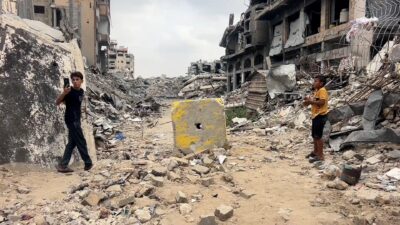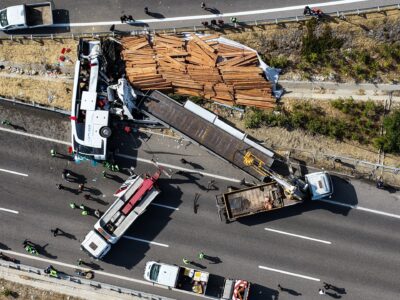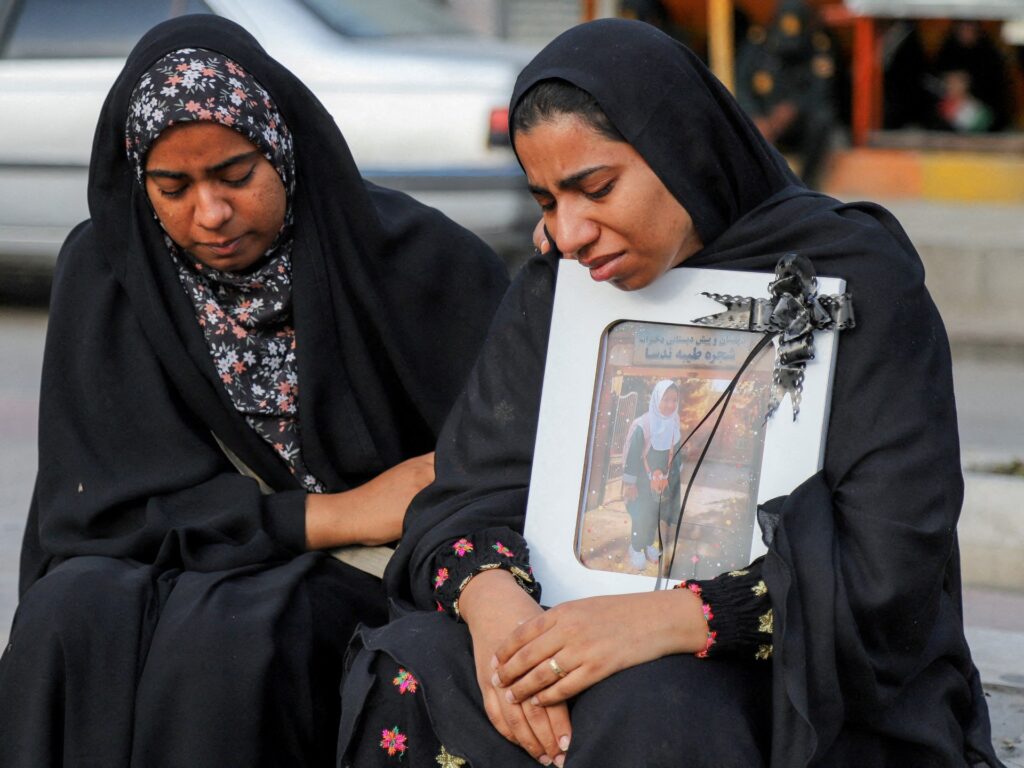
The ongoing conflict involving the United States, Israel, and Iran has increasingly seen attacks targeting civilian infrastructure, intensifying concerns over humanitarian impacts and the escalation of hostilities. Amid efforts to bring an end to the weeks-long war, reports have surfaced about the deliberate or collateral hits on schools, water supplies, and industrial sites, highlighting the profound consequences for civilian populations.
In Iran, a notable increase in strikes by US and Israeli forces on civilian sites has been observed. These targets have included educational institutions, critical water infrastructure, and industries crucial for daily life and economic stability. The targeting of schools disrupts educational pursuits for thousands of children, threatening the future of a generation caught in conflict. Water supplies, essential for sustaining life and sanitation, have also been heavily affected, exacerbating humanitarian needs and increasing the risk of waterborne diseases.
Industrial areas, often hubs for employment and economic activity, have seen attacks that stifle economic productivity and contribute to long-term instability. The damage to factories and industrial infrastructure can lead to shortages of goods, unemployment, and damage to the national economy, which in turn affects the welfare of the general population.
The strategic rationale behind such targeting is often debated. Military analysts suggest that hitting such civilian infrastructure may be intended to weaken the opponent’s base of support by undermining morale and disrupting normal life. However, such strategies raise significant ethical and legal questions under international law, which protects civilians and civilian infrastructure.
Iran, for its part, has also been accused of targeting civilian sites in Israeli territory, including residential areas and civilian amenities, further fueling the cycle of retaliation and violence. This tit-for-tat nature of the conflict heightens risks for civilians, deepening humanitarian crises on both sides.
International organizations and human rights groups have condemned the attacks on civilian infrastructure, urging all parties to adhere to international humanitarian law and to prioritize civilian safety. They emphasize the need for urgent diplomatic efforts to halt the violence and to initiate dialogue aiming for a sustainable peace.
The targeting of schools, water, and industry demonstrates the widening scope of the conflict and highlights the difficulties in protecting non-combatants in modern warfare. As negotiations and peace efforts continue, the international community watches closely, advocating for restraint and the preservation of human dignity amidst geopolitical struggles.
This conflict not only jeopardizes immediate civilian lives but also threatens long-term regional stability and prosperity. Ensuring the protection of civilian infrastructure is crucial to alleviating suffering and fostering conditions for peace. The world remains hopeful that the involved parties will move towards a resolution that spares civilian lives and infrastructure from further harm.