The first four weeks of the US-Israel conflict against Iran marked a significant escalation in Middle Eastern geopolitics, with profound military, political, and economic consequences. This article revisits the major developments during this critical initial period.
Week 1: Initiation and Military Strikes
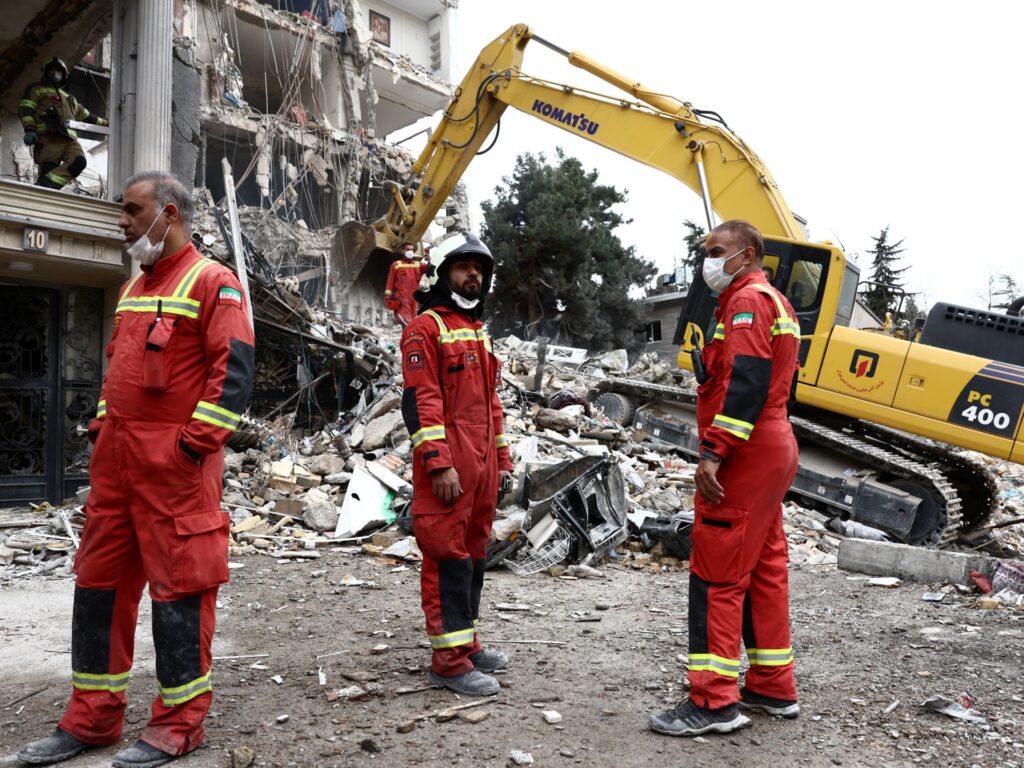
The conflict began with coordinated airstrikes by the United States and Israel targeting key Iranian military infrastructure. These included missile sites, weapons depots, and command centers in Iran’s western regions. The strikes aimed to cripple Iran’s nuclear and ballistic missile capabilities, signaling a warning to Tehran against further provocations.
In response, Iran launched retaliatory missile strikes on US bases in Iraq and Syria, leading to casualties among American forces and triggering alerts across regional military installations.
Week 2: Expanded Engagement and Proxy Clashes
Following the initial exchange, skirmishes intensified as Iran’s allied militias in Iraq, Lebanon, and Yemen stepped up attacks against US and Israeli interests. Rocket attacks, drone incursions, and cyber warfare became more frequent, expanding the battleground beyond direct US-Israel-Iranian engagements.
At the same time, diplomatic efforts began to surface, with international calls for restraint amid fears of a wider regional war.
Week 3: Economic Measures and Sanctions
The third week saw the imposition of stringent economic sanctions by the US and its allies on Iranian financial institutions and trade sectors, aiming to pressure Iran into halting its nuclear ambitions and curtailing its military campaigns.
Iran responded by threatening to close the strategic Strait of Hormuz, a vital oil shipping route, which caused volatility in global oil markets. Nations around the world scrambled to secure energy supplies, exacerbating economic uncertainty.
Week 4: Political Shifts and Global Reactions
Political dynamics shifted as some regional players sought to mediate or exploit the ongoing conflict. Russia and China called for dialogue and de-escalation, while the US and Israel reinforced their commitment to neutralizing Iran’s regional influence.
Public protests emerged within Iran, reflecting internal dissent and economic hardships caused by the conflict and sanctions. Globally, markets remained jittery, and governments weighed the risks of deeper involvement.
Summary
The initial phase of the US-Israel war on Iran set the stage for a prolonged and complex conflict affecting military domains, diplomatic relations, and economic stability worldwide. As the situation continues to develop, the international community remains on high alert, hoping for pathways to peace amidst growing tensions.