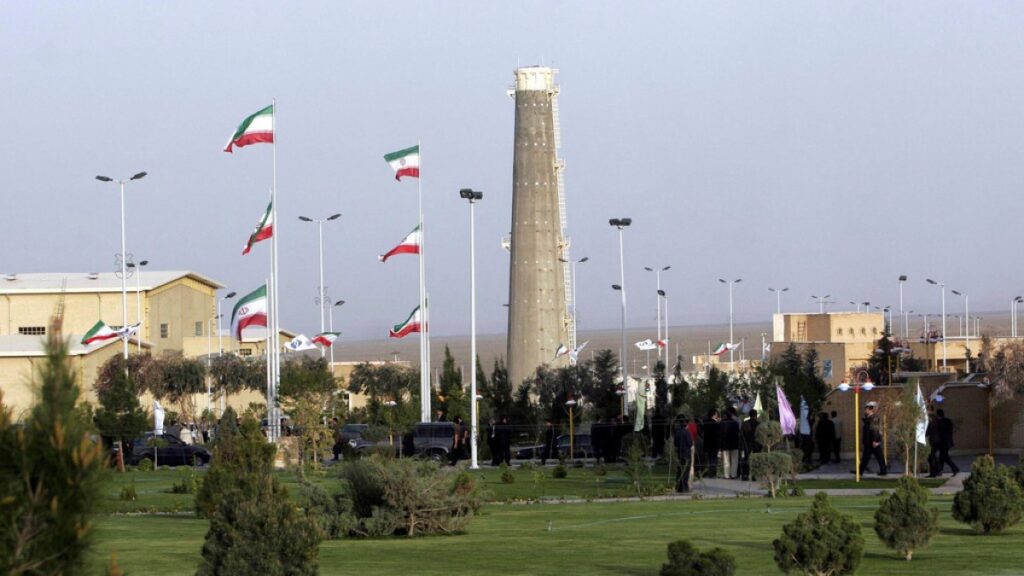
In the midst of ongoing war and heightened regional tensions, a faction of Iranian politicians is intensifying calls for Iran’s withdrawal from the Nuclear Non-Proliferation Treaty (NPT). This move comes as the United States and Israel continue to carry out military strikes targeting critical Iranian infrastructure, further escalating conflict dynamics in the Middle East.
The Nuclear Non-Proliferation Treaty, established in 1968, aims to prevent the spread of nuclear weapons and promote nuclear disarmament globally. Iran has been a signatory since 1970, committing to restrictions on its nuclear program in exchange for peaceful energy development. However, recent developments have cast doubt on Tehran’s continued commitment to the treaty.
Hardline politicians within Iran’s government argue that ongoing US-Israeli aggressions — including airstrikes and covert operations against nuclear sites and supply chains — violate Iran’s sovereignty and justify reconsideration of nuclear agreements. They assert that withdrawal from the NPT would enable Iran to bolster its nuclear program as a deterrent and safeguard national security.
This sentiment has been fueled by repeated attacks targeting key infrastructure linked to Iran’s nuclear capabilities and broader military assets. Such actions have intensified calls among hardliners to pursue a more assertive stance, rejecting international constraints perceived as undermining Iran’s strategic interests.
The political debate unfolds against a backdrop of intricate geopolitical rivalry. US sanctions and diplomatic efforts have sought to curb Iran’s nuclear ambitions, while Israel maintains a policy of preemptive strikes aimed at preventing the emergence of a nuclear-armed Iran. Tehran views these acts as existential threats, prompting urgent discussions on defense and negotiation tactics.
International players have expressed concern over any move by Iran to exit the NPT, cautioning that it could trigger a nuclear arms race in the volatile region. The United Nations and countries invested in nonproliferation efforts warn that such a development would severely undermine global security frameworks.
Iranian officials, while divided, have highlighted the dual pressures facing the nation — balancing diplomatic engagement with the demands of nationalist and militarist constituencies pushing for greater nuclear autonomy. This internal discord reflects differing visions for Iran’s future role on the world stage.
Analysts note that backing away from the NPT would isolate Iran further on the world stage and likely provoke stronger international sanctions, potentially crippling economic recovery efforts amid ongoing conflict.
Nonetheless, proponents of withdrawal emphasize the necessity of nuclear deterrence in an environment marked by aggression from the US and Israel. They argue that retaining treaty commitments under current conditions compromises Iran’s sovereignty and security.
As hostilities continue and infrastructure damage mounts, Iran’s political landscape remains in flux, with significant implications for regional stability and global nonproliferation efforts. The international community watches closely, balancing calls for dialogue with preparedness for potential escalations.
In summary, the push by Iranian hardliners to exit the Nuclear Non-Proliferation Treaty amid aggressive military actions against their country underscores heightened tensions and uncertain prospects for diplomatic resolution. The coming weeks will be critical as Iran navigates internal debates and external pressures shaping its nuclear policy trajectory.