In a recent development, House Republicans have voted against a bill that aimed to provide pay to federal airport workers. This decision comes at a time when long lines and travel disruptions at airports across the country have drawn significant public attention.
The White House has issued a memo stating that former President Donald Trump has directed the Department of Homeland Security (DHS) to ensure federal airport workers receive payment despite the ongoing logistical challenges faced in the travel sector. This directive underscores the administration’s commitment to support the workforce managing airport security and other critical functions during what has become a particularly difficult period for the travel industry.
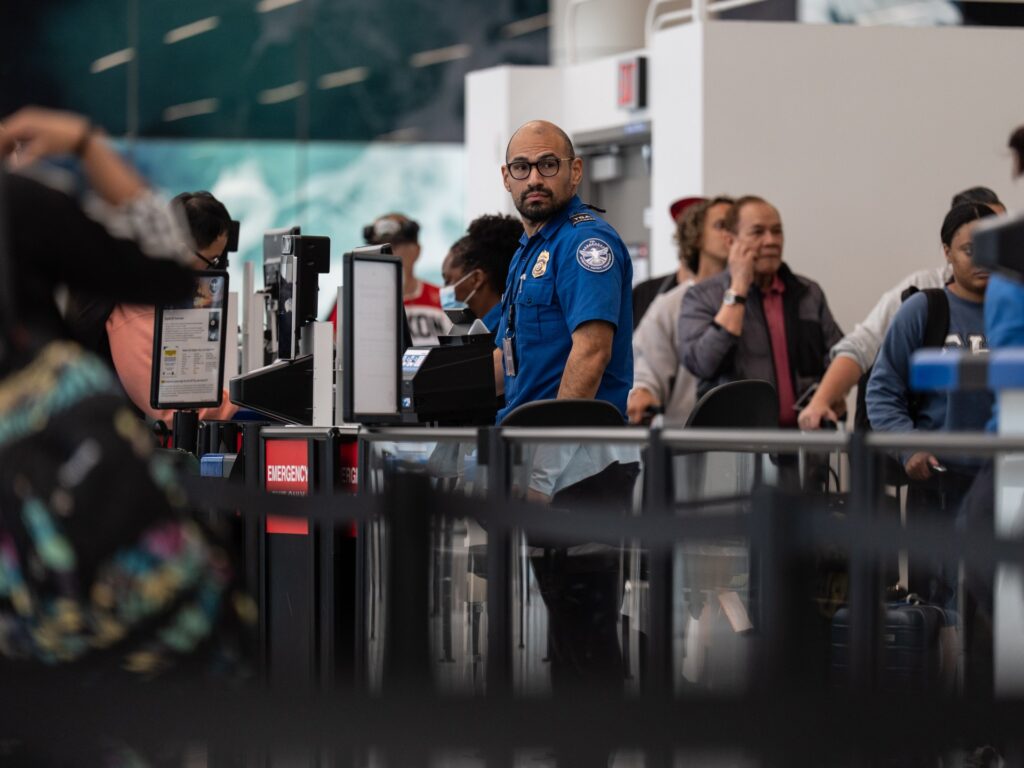
Federal airport workers, who include Transportation Security Administration (TSA) agents and other security personnel, have been at the forefront of operational challenges as passenger volumes increase and staffing shortfalls strain resources. Their roles are crucial to maintain the safety and efficiency of air travel.
The rejected bill sought to officially authorize payments to these workers, potentially alleviating some of the financial uncertainties they face. However, opposition from House Republicans highlighted concerns over the specifics of the legislation, fiscal responsibility, and broader policy implications.
Despite the legislative setback, President Trump’s instruction to the DHS signals an executive effort to ensure that federal airport workers are compensated during these trying times. The White House memo emphasizes the importance of supporting frontline workers who facilitate the movement of millions of passengers.
Experts note that the veteran airport staff’s continued dedication is crucial as the industry navigates a complex period marked by increased demand, staffing shortages, and evolving security challenges. The ongoing debate over funding and compensation reflects wider tensions about government spending priorities and the role of federal workers.
Travelers have reported significant delays and long security lines, impacting both domestic and international flights. These operational difficulties have sparked calls for increased investment in airport infrastructure, better staffing solutions, and more robust contingency plans.
While the House Republicans’ rejection of the bill may delay formalized pay provisions, the executive directive ensures that federal airport workers remain compensated. This approach may set a precedent for future negotiations between legislative and executive branches concerning federal worker pay and operational funding.
Stakeholders in the aviation industry, including airlines and passenger advocacy groups, continue to push for measures that address the root causes of airport congestion and improve the travel experience. Federal airport workers remain integral to these efforts, underscoring the need for clear policies that ensure their support.
As discussions continue, the situation remains dynamic, with potential implications for travel security, government policy, and labor relations. The decision by House Republicans reveals the complexities of balancing fiscal considerations with operational necessities during times of national travel strain.