In a complex and often tense international landscape, recent reports have stirred debate over whether the United States and Iran are engaged in negotiations. While the US government asserts that dialogue is underway, Iranian officials deny that any formal talks are taking place. This conflicting narrative has sparked curiosity and skepticism among analysts, politicians, and the public alike.
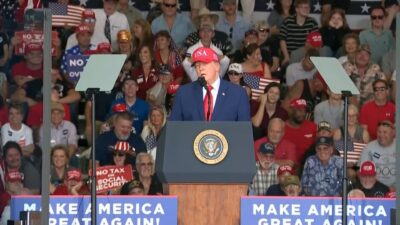
The US claims of ongoing discussions seem to stem from a desire to stabilize markets and ease geopolitical tensions. Critics argue that former President Donald Trump’s announcements about negotiations may have been strategically crafted to calm investor fears and moderate the fluctuations in oil prices and global markets. According to some experts, this announcement might be more of a tactical move than an actual reflection of diplomatic progress.
On the Iranian side, officials have consistently denied that any official or direct negotiations with the US are happening. Iran’s stance suggests a more cautious or even resistant approach amid deep-seated distrust and a history of fluctuating relations with Washington. The Iranian denial underscores the country’s skepticism about US intentions and possibly reflects internal political calculations.
Despite these opposing statements, the international community is left wondering which narrative reflects reality. The truth might lie somewhere in between. It is possible that preliminary contacts or back-channel communications are happening without formal negotiations being declared publicly. Such informal dialogue is not uncommon in international diplomacy and can be a precursor to more official talks.
Experts also point out that both the US and Iran stand to gain from resuming negotiations due to shared interests such as regional stability and economic benefits. Iran’s economy has been under significant pressure from sanctions, while the US has been concerned about nuclear proliferation and regional security in the Middle East.
Moreover, the global oil market is highly sensitive to shifts in US-Iran relations. Any positive signals of talks could lead to easing sanctions and increased Iranian oil exports, which would influence global supply and pricing. Conversely, escalating tensions tend to fuel uncertainty and drive prices up.
The question remains whether the rhetoric from both sides is reflective of genuine political maneuvering or a strategic effort to shape public perception and market dynamics. While the US seeks to project an image of openness to dialogue, Iran’s denials may be aimed at maintaining a firm negotiating posture internally and externally.
In conclusion, although open and confirmed negotiations are not publicly evident, the situation suggests that there could be some level of engagement beneath the surface. Given the complexity and high stakes involved, both sides might be carefully testing the waters before committing to formal discussions. Observers and stakeholders will need to watch closely for any signals that indicate a shift toward actual talks.
In summary, discerning the truth about US-Iran negotiations requires understanding the broader political strategies, market implications, and diplomatic subtleties at play. Whether one side is telling the truth over the other or both are engaging in strategic messaging, the possibility of dialogue remains a crucial factor in the ongoing geopolitical narrative.