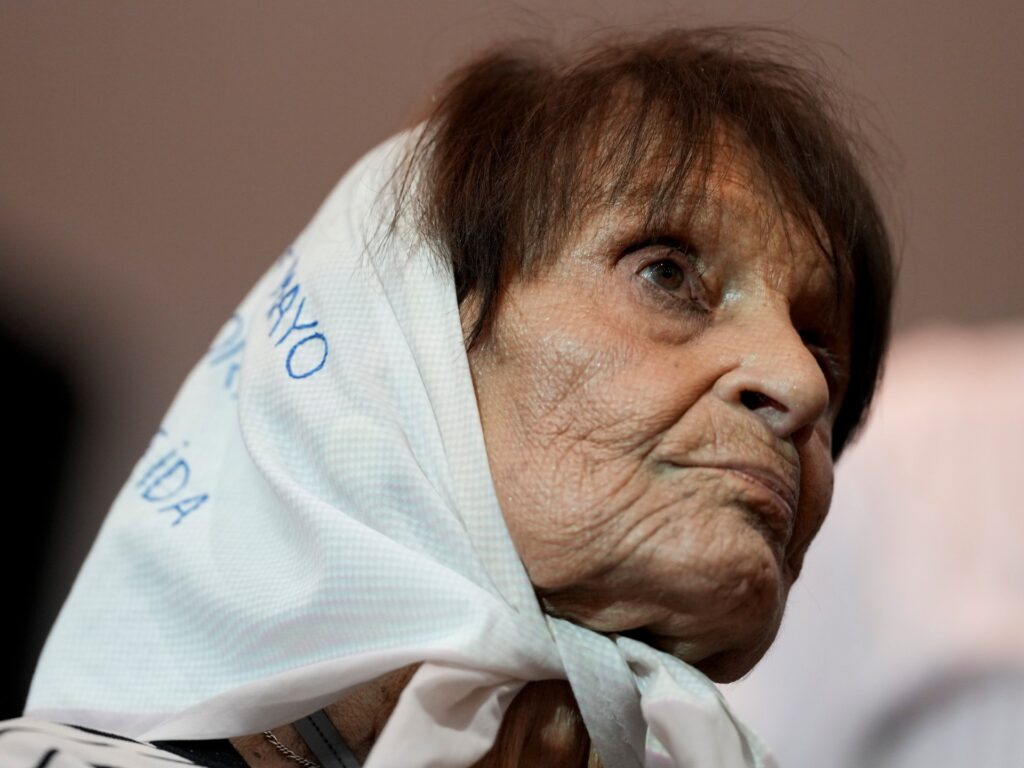
Fifty years have passed since the military coup in Argentina that led to a brutal dictatorship lasting from 1976 to 1983. This anniversary is a profound moment of reflection for Argentina, especially for one of its most enduring human rights groups, the Mothers of the Plaza de Mayo. Founded during the dictatorship, the Mothers of the Plaza de Mayo garnered international recognition for their courageous campaign to find their desaparecidos—the thousands of people who disappeared under the regime.
The Mothers, known for their white headscarves as symbols of hope and protest, have played a crucial role in raising awareness about human rights abuses in Argentina. Their weekly demonstrations in Buenos Aires’ Plaza de Mayo have become a powerful symbol of resistance and memory. As Argentina marks this solemn 50th anniversary, the Mothers continue to demand justice and accountability for the horrors of the past.
However, the group’s future faces uncertainty under Argentina’s current administration led by President Javier Milei. The government has proposed significant budget cuts to human rights organizations, including funding that supports the activities of the Mothers of the Plaza de Mayo. Activists and human rights defenders warn that these cuts could severely hamper efforts to preserve the memory of the dictatorship’s victims and advocate for ongoing justice.
The political climate in Argentina has grown increasingly polarized, with Milei’s administration emphasizing austerity measures and a reevaluation of state expenditures. Critics argue that cutting support for historical memory initiatives risks eroding hard-won democratic values and diminishes the state’s commitment to confronting its past.
Despite these challenges, the Mothers of the Plaza de Mayo remain determined. Their activism now also includes education and public outreach to younger generations who did not live through the dictatorship era. They emphasize the importance of remembering the past to protect human rights in the future and to ensure that such abuses never happen again.
The 50th anniversary stands as a stark reminder of Argentina’s dark chapter and the resilience of its civil society. The Mothers’ struggle exemplifies the power of sustained grassroots activism in the face of political and social adversity. As Argentina navigates this complex time, the world watches with hope that justice, memory, and human rights will continue to be held sacred in the nation’s ongoing story.