India has recently arrested six Ukrainian nationals and one American citizen under its stringent anti-terrorism laws. The arrests came on allegations that these individuals attempted to cross from India into Myanmar with the intent to train armed groups in drone warfare techniques.
According to Indian authorities, the group was involved in activities that posed a threat to national security. They are accused of trying to support militant organizations across the border by providing them with expertise in operating drones for military purposes. This development highlights ongoing concerns about the use of emerging technologies such as drones in modern conflicts and their potential to escalate regional violence.
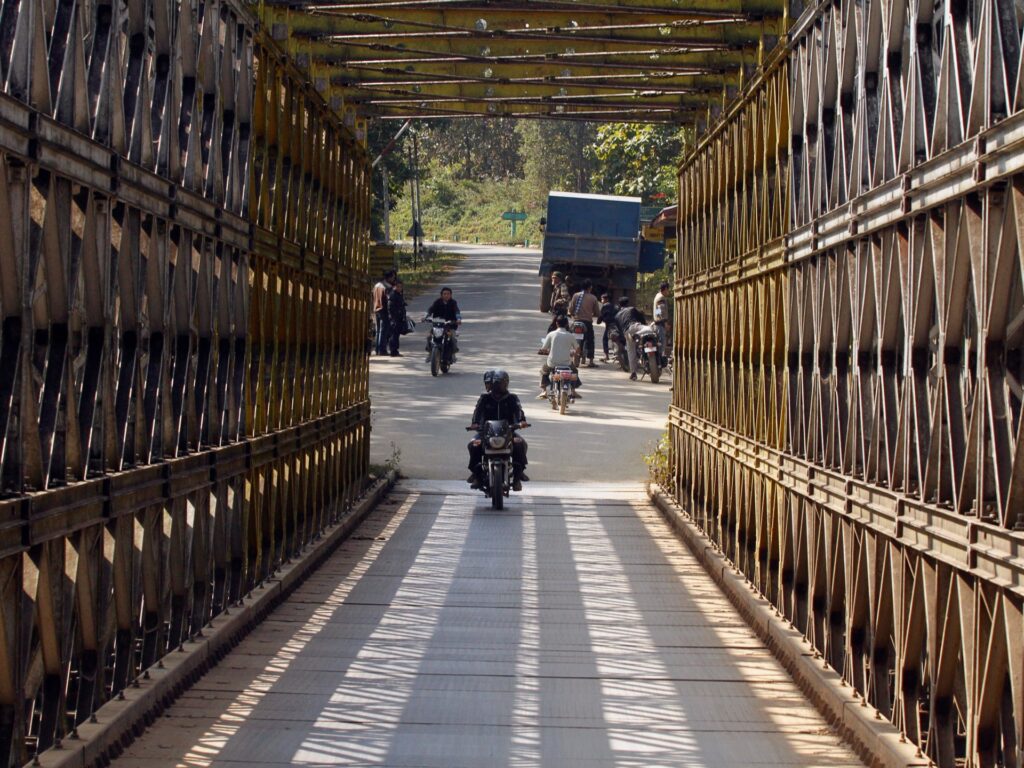
The arrested individuals were reportedly under surveillance after Indian intelligence agencies intercepted information about their plans to facilitate training programs for insurgent groups. The crossings from Northeast India to Myanmar have long been a point of concern for security forces, given the porous nature of the border and the presence of various insurgent factions in the region.
Indian anti-terrorism laws empower the authorities to take stringent action against individuals and networks that threaten the sovereignty and security of the nation. These arrests underline India’s commitment to combating terrorism in all its forms, including the misuse of technology for militant activities.
The situation also underscores the complex geopolitical dynamics in the region, with neighboring countries being arenas for proxy conflicts and armed insurgencies. Cross-border militant training using advanced methods like drone warfare represents a significant security challenge, prompting tighter surveillance and enforcement measures.
Legal proceedings are underway, and the arrested nationals are currently being held for questioning. The Indian government has reiterated its stance on maintaining internal security and preventing the spread of militancy facilitated by foreign actors.
This incident serves as a reminder of the evolving nature of terrorism and the necessity for countries to adapt their counter-terrorism strategies to address new technological threats effectively. As geopolitical tensions continue in South and Southeast Asia, authorities remain vigilant in monitoring and countering any activities that could undermine peace and stability.