In a rapidly escalating conflict in the Middle East, Iran has issued a severe warning to the international community, threatening to mine the Persian Gulf should its coast and islands come under attack. This commentary comes amid increasing hostilities linked to the ongoing US-Israeli efforts against Iran.
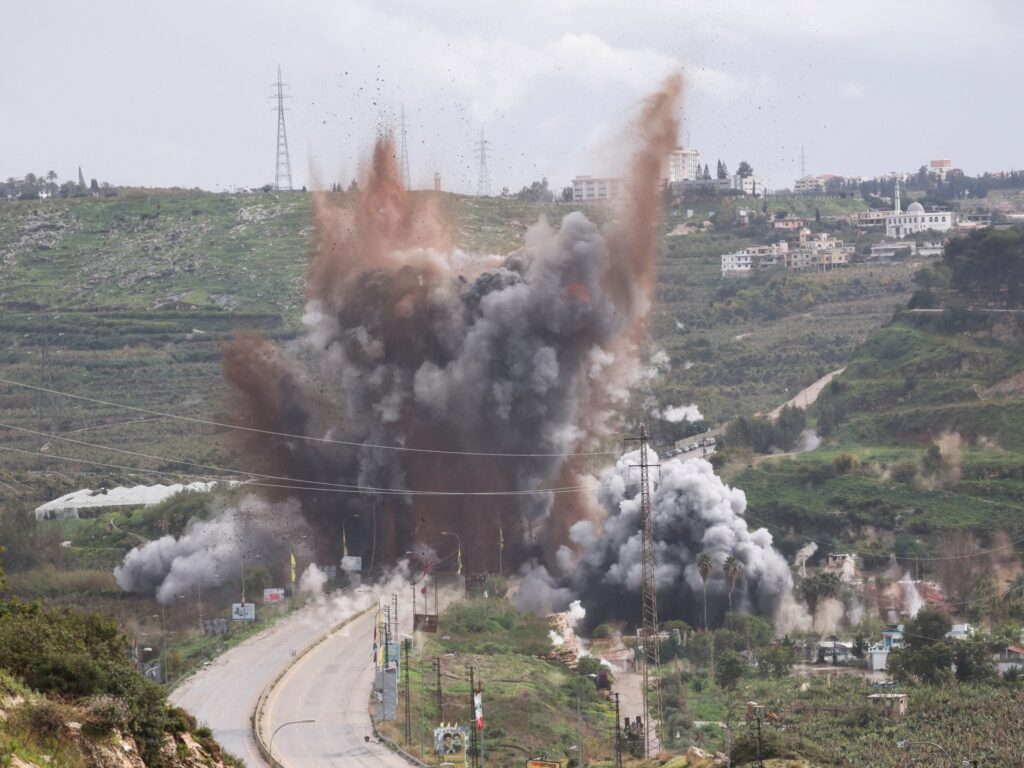
The situation has intensified following the recent destruction of the Qasimiyah Bridge in southern Lebanon by Israeli forces. This move is perceived as a strategic strike aimed at diminishing Iranian influence and supply channels in the region.
Iran’s threat to mine the Gulf signals a dangerous escalation, heightening fears of a broader military confrontation that could disrupt one of the world’s most vital maritime routes. The Persian Gulf is crucial for global oil shipments, and mining these waters could have catastrophic implications for global energy markets and international security.
Israel, supported by the United States, has been openly critical of Iran’s nuclear ambitions and regional activities through proxies and direct military actions. The destruction of infrastructure such as the Qasimiyah Bridge is part of this larger battle for regional dominance.
The destruction has exacerbated tensions in Lebanon, where various factions have varying degrees of alignment with Iran. The attack could provoke retaliatory actions from Lebanese groups allied with Tehran, potentially drawing Lebanon deeper into the conflict.
The US has maintained a firm stance against Iran, applying stringent economic sanctions and supporting military operations aimed at curbing Tehran’s military capabilities and influence. The ongoing rhetoric from Tehran, combined with Israel’s tactical strikes, suggest the current conflict could spiral into a larger war if diplomatic channels remain ineffective.
International observers have called for restraint and encouraged renewed diplomatic engagement to prevent further deterioration of the situation. The risk of miscalculation is high, as both sides appear to be preparing for prolonged confrontation.
The threat by Iran to mine the Gulf is not merely symbolic but a tactical move that could severely impact international shipping and trigger a global economic crisis. Regional players and global powers alike watch closely as the situation develops, aware that a full-scale war could reshape Middle Eastern geopolitics and global security dynamics.
As the world monitors these developments, the humanitarian consequences for millions living in the region remain a significant concern. Escalating military actions threaten the safety and stability of civilian populations in Iran, Lebanon, and neighboring states.
The current crisis highlights the fragile nature of Middle Eastern geopolitics, where localized conflicts have the potential to draw in multiple countries and alliances, leading to widespread instability. Efforts to de-escalate the situation will require careful diplomacy, restraint from all parties, and sustained international mediation.
In summary, the recent actions by Israeli forces and Iran’s subsequent threats mark a dangerous turn in the region’s conflict dynamics. The international community faces a critical juncture in preventing a wider war that could devastate the Middle East and have far-reaching global consequences.