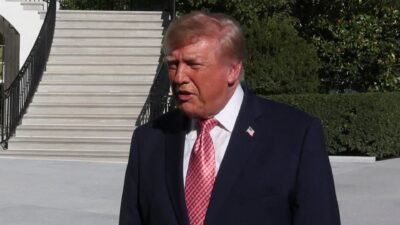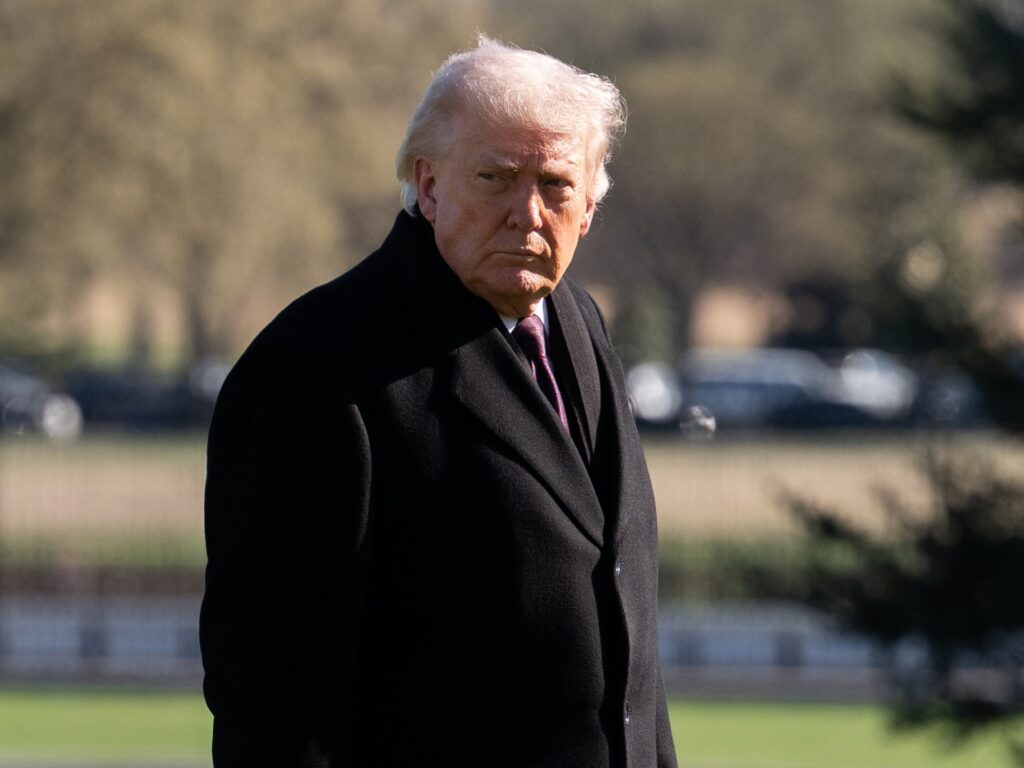
In a dramatic escalation of tensions in the Middle East, former President Donald Trump has issued a stark 48-hour ultimatum concerning the Hormuz Strait, a critical chokepoint for global oil shipments. Trump threatened to target Iran’s power plants if Tehran jeopardizes the security of the Strait or any allied shipping vessels.
The Hormuz Strait, a narrow passage connecting the Persian Gulf with the Gulf of Oman and the Arabian Sea, holds immense strategic importance as approximately 20% of the world’s petroleum passes through these waters daily. Any disruption here can trigger significant fluctuations in global energy markets and exacerbate geopolitical conflicts.
Trump’s ultimatum comes amidst ongoing confrontations between the United States and Iran, reflecting heightened tensions that have endured for years since the US withdrew from the Iran nuclear deal in 2018. In his statement, Trump emphasized a zero-tolerance stance against any hostile acts that would impede free navigation in the Strait.
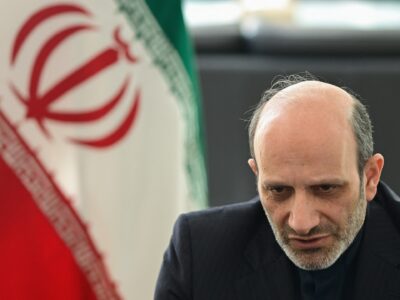
In immediate response, Iranian authorities issued a stern warning that if the US attacks any Iranian energy infrastructure, Tehran will retaliate by targeting all US energy assets in the region. This threat underscores the gravity of the situation and the potential for a wider conflict that could ripple through global energy supplies.
Iran’s position is particularly sensitive given the country’s extensive energy infrastructure, which includes multiple power plants crucial to its domestic economy. Tehran’s statement highlights a willingness to escalate retaliation beyond immediate military targets to economic assets vital to US interests.
Analysts suggest that this confrontation could lead to increased instability in one of the world’s most critical energy corridors. The risk of conflict threatens to disrupt oil exports at a time when global markets are already vulnerable due to fluctuating demand and geopolitical uncertainties.
International actors have called for restraint from all parties. The United Nations and several European countries have urged diplomatic dialogue to avoid conflict and ensure the continued free flow of commerce through the Hormuz Strait.
The situation remains fluid, with the world watching closely as the 48-hour ultimatum deadline approaches. The coming hours could define the trajectory of US-Iran relations and impact global energy security profoundly.
This latest episode is a reminder of the longstanding volatility in the Gulf region and the delicate balance required to maintain peace and stability in a strategic energy hub critical to the global economy.